.webp?sw=50&sfrm=jpg&q=90)
Six months of growth. Two inches off at the salon. Another six months. Another trim that feels like it erases everything. The math never quite adds up — and that's frustrating.
Here's what's actually happening: your roots are doing their job. Hair is growing. But damaged ends are breaking faster than your hair can hold onto that length. Every snap along the shaft quietly steals the progress your follicles are working hard to deliver.
The result? Hair that feels permanently stuck at the same length. But here's the good news — this isn't a growth problem. It's a length retention problem. And that's a problem you can solve.
Why Damaged Hair Stops Growing
Hair grows from the follicle at an average rate of about half an inch per month. That rate doesn’t change much regardless of damage because the follicle is below the scalp. In other words, it’s separate from the shaft that takes the beating. What changes is how much of that new growth survives.
When disulfide bonds inside the hair fiber break down (from bleaching, color processing, heat styling, or mechanical stress), the internal structure weakens. The cuticle lifts. Moisture escapes. The strand becomes brittle at the point of damage, and eventually, it snaps.
The practical takeaway: if you want longer hair, you don’t need to make it grow faster. You need to stop it from breaking.
Bond Repair vs. Deep Conditioning
This distinction between bond repair and deep conditioning is worth understanding. After all, it changes how you shop, along with how you build your routine. Here’s a closer look at how each one works and where it fits into length retention.
- Deep Conditioning: Deep conditioning works on the surface and outer layers of the hair. It deposits moisture, smooths the cuticle, and makes hair feel softer and more manageable. That’s valuable, especially for dry, dehydrated hair. However, it doesn’t address the structural bonds that hold the hair fiber together.
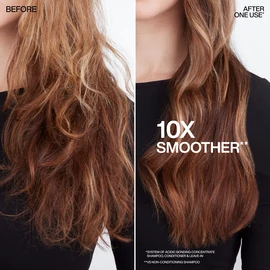
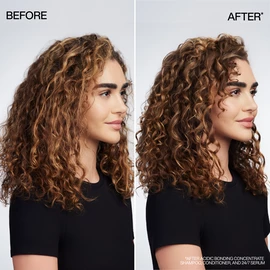
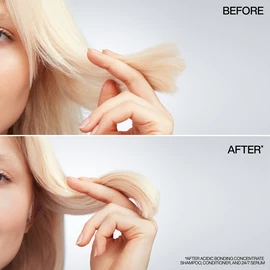
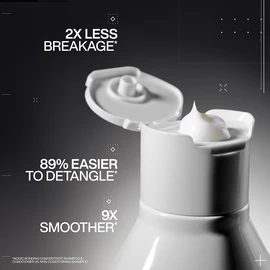
- Bond Repair: Bond repair works inside the strand. Treatments formulated with a Bonding Care Complex and citric acid target the broken disulfide bonds that weaken hair from within. By reinforcing those bonds, the strand regains structural integrity. Therefore, it’s less likely to snap at the weak points that cause breakage.
Your Length Routine, Step by Step
Building a length-retention routine isn’t about adding more products. It’s about choosing the right ones and being consistent.
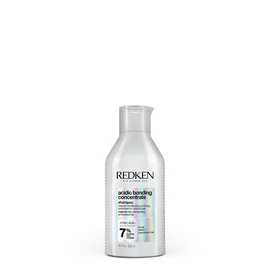
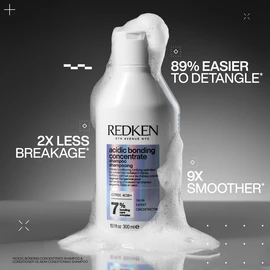
- Cleanse: The Acidic Bonding Concentrate Shampoo is a sulfate-free formula provides a gentle cleanse while helping to reinforce weakened bonds. Formulated with Citric Acid, an alpha hydroxy acid, which helps reinforce weakened bonds in the hair. To use, apply to wet hair, lather, and rinse. In case of contact with eyes, rinse them immediately. Redken Acidic Bonding Concentrate Shampoo is safe to use regularly or as often as you wash your hair with shampoo.
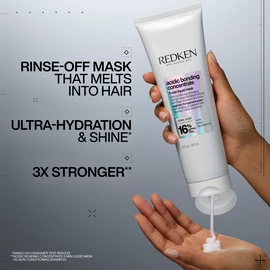
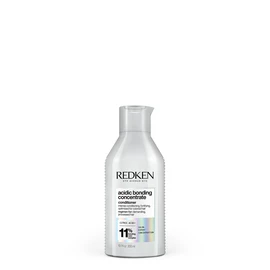
- Condition: The Acidic Bonding Concentrate Conditioner is a sulfate-free ultra-rich and luxurious bonding conditioner that provides ultimate strength repair, intense conditioning and hair color fade protection. After shampooing, apply to wet hair. Leave on for 5-10 minutes and then rise. Follow up with the perfecting Leave-In Treatment for damaged hair. In case of contact with eyes, rinse them immediately. Can be used regularly and as often as each shampoo.
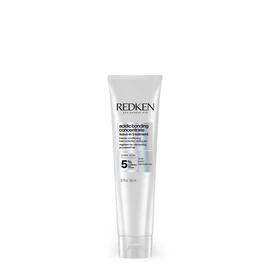
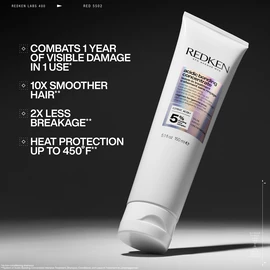
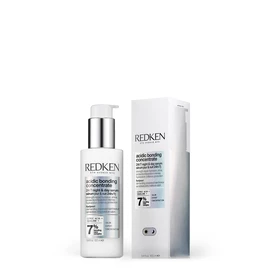
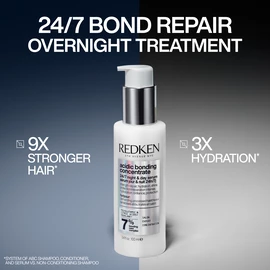
- Leave-In Treatment: The Acidic Bonding Concentrate Leave-In Treatment helps provide pH balance, strength, and conditioning to all hair types and textures. You can expect the concentrated bonding care complex to reinforce weakened bonds within your hair to improve strength in 1 use. Made with Redken's Bonding Care Complex + Citric Acid works at a molecular level and penetrates the cuticle capturing metal ions, reinforcing weakened bonds and improving hair strength. To use, apply to clean, damp hair. Leave in. Do not rinse. Style as usual. Avoid contact with eyes.
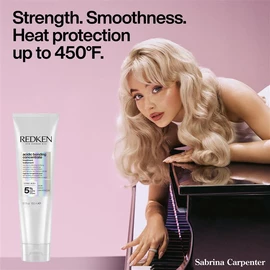
- Treat Damaged Ends: the Acidic Bonding Concentrate Hair Bandage Balm contains 8% bonding care complex with citric acid and madecathenol, relinks broken bonds and provides protection against heat up to 450°F. Its lightweight and fast-absorbing, non-greasy leave-in formula and finish reduces breakage for stronger, smoother, and instantly revived ends. In addition, Redken Acidic Bonding Concentrate Hair Bandage Balm provides strength repair for damaged, dry split ends in 1 use. To use, apply daily on damp, clean ends for on-the-go split end repair. Re-apply on dry ends throughout the day.
The Smart Trim Strategy
Micro-dusting is the technique to ask for: your stylist removes only the very tips of split ends, measured in millimeters, not inches, every 8 to 12 weeks. This approach prevents splits from traveling up the hair and causing more breakage without sacrificing the length you’ve worked for.
A bigger cut becomes necessary when damage has traveled far enough that no topical treatment can hold the hair together. Severe chemical over-processing, heat damage that has altered the texture of the ends, or splits that have reached the mid-shaft all warrant a more significant trim.
With a consistent bonding routine, those big-cut moments become less frequent. Reinforced bonds help hold the hair together longer, which slows how quickly splits travel and keeps trims smaller.
In short, bonding products don’t eliminate the need for trims. They give you more time between them.
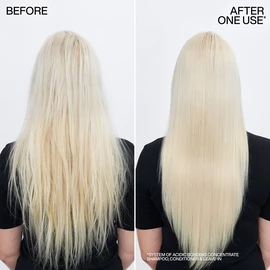
Growing out damaged hair is a patience game, but it doesn’t have to be a losing one. With the right bond-building routine, every inch of new growth has a better chance of staying put. Ready to break the grow-and-trim cycle? Explore the Acidic Bonding Concentrate System, and find the starting part for your regiment.
FREQUENTLY ASKED QUESTIONS
Answers to Your Frequently Asked Questions


.webp?sw=270&sfrm=jpg&q=90)




.webp?sw=270&sfrm=jpg&q=90)