.webp?sw=50&sfrm=jpg&q=90)
Hair loss is a leading concern for a reason. Noticing an increase in shedding, whether in the shower, on your pillow, or in your brush, is the first sign that your growth cycle may be compromised. However, hair loss is not a single condition; it is a broad category encompassing everything from standard daily shedding to stress-induced fallout and hormonal thinning. Accurately identifying the type of thinning you are experiencing is a critical first step toward identifying an effective professional solution.
HOW THE HAIR GROWTH CYCLE WORKS
Each hair fiber follows an independent, three-phase biological cycle: Anagen, Catagen, and Telogen.
- ANAGEN: THE ACTIVE GROWTH PHASE – During this stage, which lasts between two to seven years, the hair fiber is in a state of active growth.
- CATAGEN: THE TRANSITION PHASE – A brief regression period where the follicle begins to shrink, signaling the end of active growth as the strand prepares for the telogen: shedding phase.
- TELOGEN: THE SHEDDING PHASE – The fiber remains in the follicle for approximately three months before naturally releasing. At any given moment, in a healthy scalp, roughly 85% to 90% of follicles are in the Anagen phase, while approximately 10% are in Telogen. This explains why a daily loss of 50 to 100 hairs is considered a normal baseline. Your follicles are in a constant state of renewal.
While daily shedding is part of a healthy cycle, clinical thinning occurs when this balance is disrupted. The concern begins when internal or external stressors prematurely trigger more follicles into the Telogen phase, or when follicular productivity ceases entirely
THE MOST COMMON CAUSES OF HAIR LOSS
Hair loss typically falls into a few well-documented categories. Telogen effluvium is the most common, but several other culprits we’ve listed here can make hair
- TELOGEN EFFLUVIUM (THE STRESS SHOCK): Acute physical or emotional stressors, such as surgery, high fever, or rapid weight loss, can shock hair follicles into a resting state. This reactive shedding typically becomes visible 60 to 90 days after the event.
- HORMONAL & ENDOCRINE SHIFTS: Fluctuations in androgen levels or thyroid function are primary drivers of thinning. This often manifests as a diffused loss of density across the scalp or a widening of the natural part line.
- THE NUTRIENT GAP: Deficiencies in IRON (FERRITIN), VITAMIN D, or BIOTIN can lead to premature shedding and weakened fiber production.
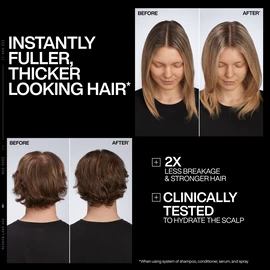
- MEDICATIONS & GLP-1S: Metabolic stress from rapid weight loss and sudden changes in nutritional intake that sometimes accompany use of prescription drugs such GLP-1 medications can trigger temporary thinning. To support hair during this period, range focuses on reinforcing hair strength to reduce breakage, while also hydrating the scalp. The four-step routine, which includes shampoo, conditioner, serum, and densifying spray is formulated with ingredients like azelaic acid and caffeine. The routine helps hair look fuller and improves hair’s strength against breakage.
- MECHANICAL & CHEMICAL BREAKAGE: Over-processing from chemical treatments, thermal tools, and high-tension styling does not cause hair loss from the root. However, the resulting stress to the fiber can cause trauma breakage so severe it mimics the appearance of thinning.
HAIR LOSS VS. HAIR BREAKAGE: HOW TO TELL THE DIFFERENCE
At first glance, shedding and snapping can look almost identical. In both cases, you may notice strands in the shower, on your brush, or on your pillow. However, the root cause is fundamentally different. A simple diagnostic check of the hair fiber can reveal the source of the thinning.
SIGNS OF HAIR LOSS (SHEDDING):
- The strand falls directly from the follicle.
- A small white or translucent bulb is visible at the root end.
- The strand is usually full-length.
This is a FOLLICLE-LEVEL DISRUPTION driven by triggers such as hormonal shifts, stress, nutritional deficiencies, pharmacological changes, or genetics.
SIGNS OF HAIR BREAKAGE:
- The strand snaps at a weak point along the hair shaft.
- The broken pieces are irregular or shorter in length.
- There is no visible bulb at either end of the fiber.
BUILDING A ROUTINE FOR STRONGER, FULLER- LOOKING HAIR
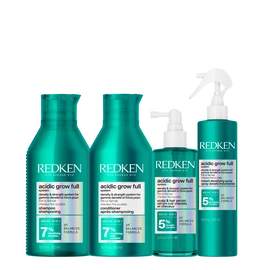
If you have thin hair and are experiencing hair breakage or are a GLP-1 user experiencing hair loss, our hair and scalp care routine can help make a difference. The goal isn't about growing new hair, it's about reducing breakage and achieving fuller looking hair.
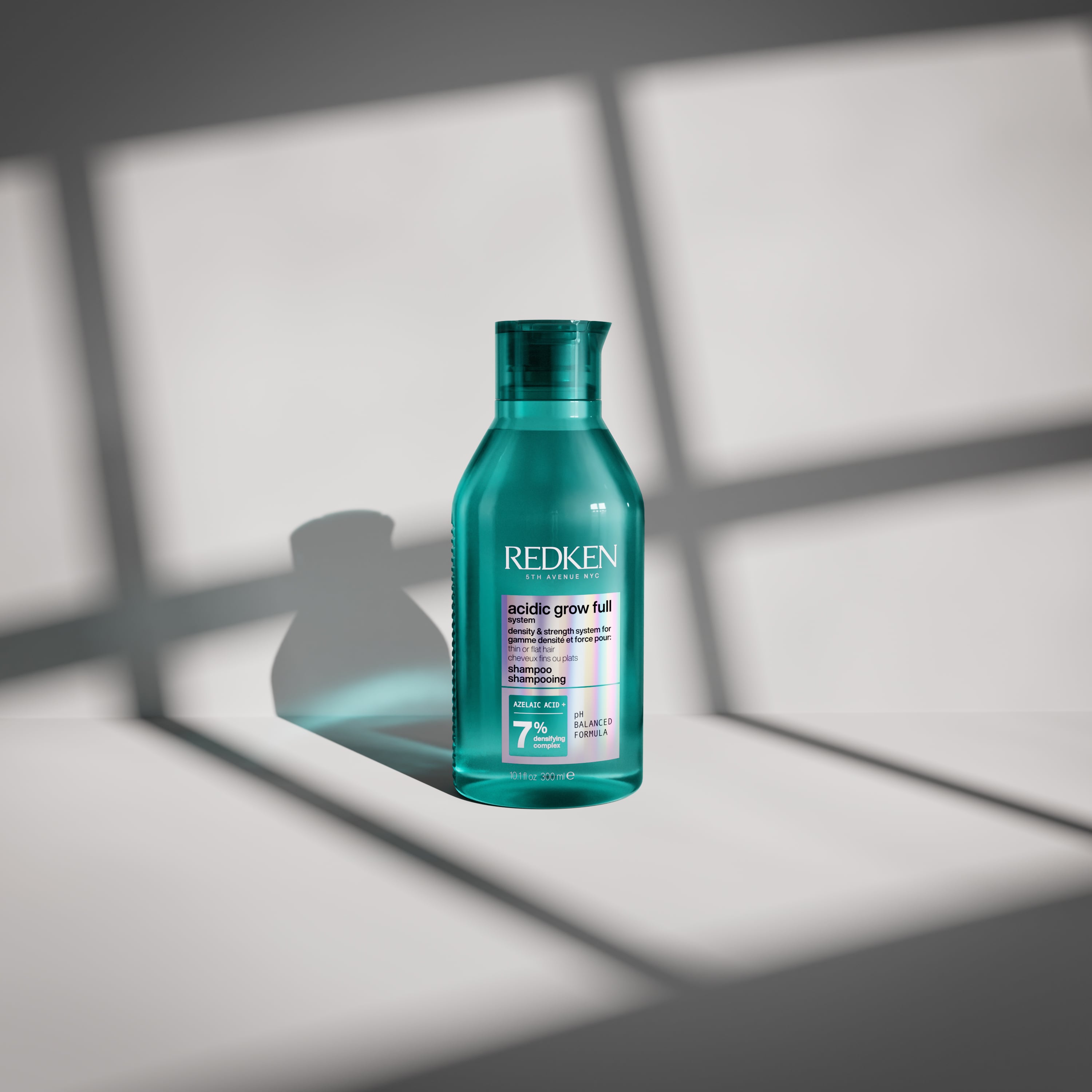
1. Start off with Acidic Grow Full System Shampoo – a shampoo for thin, flat hair.
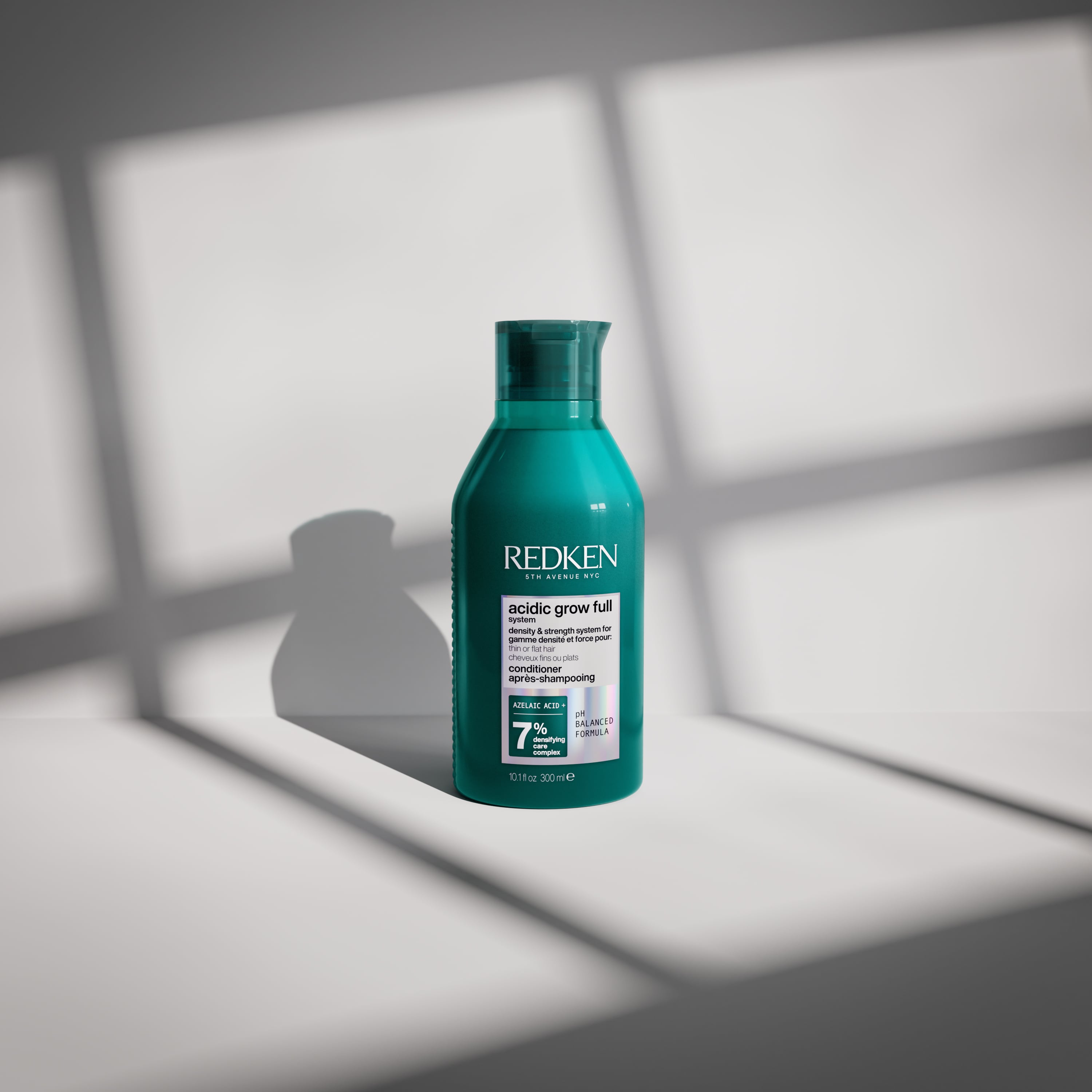
2. Follow with Acidic Grow Full System Conditioner to condition without weighing down fine or thinning hair.
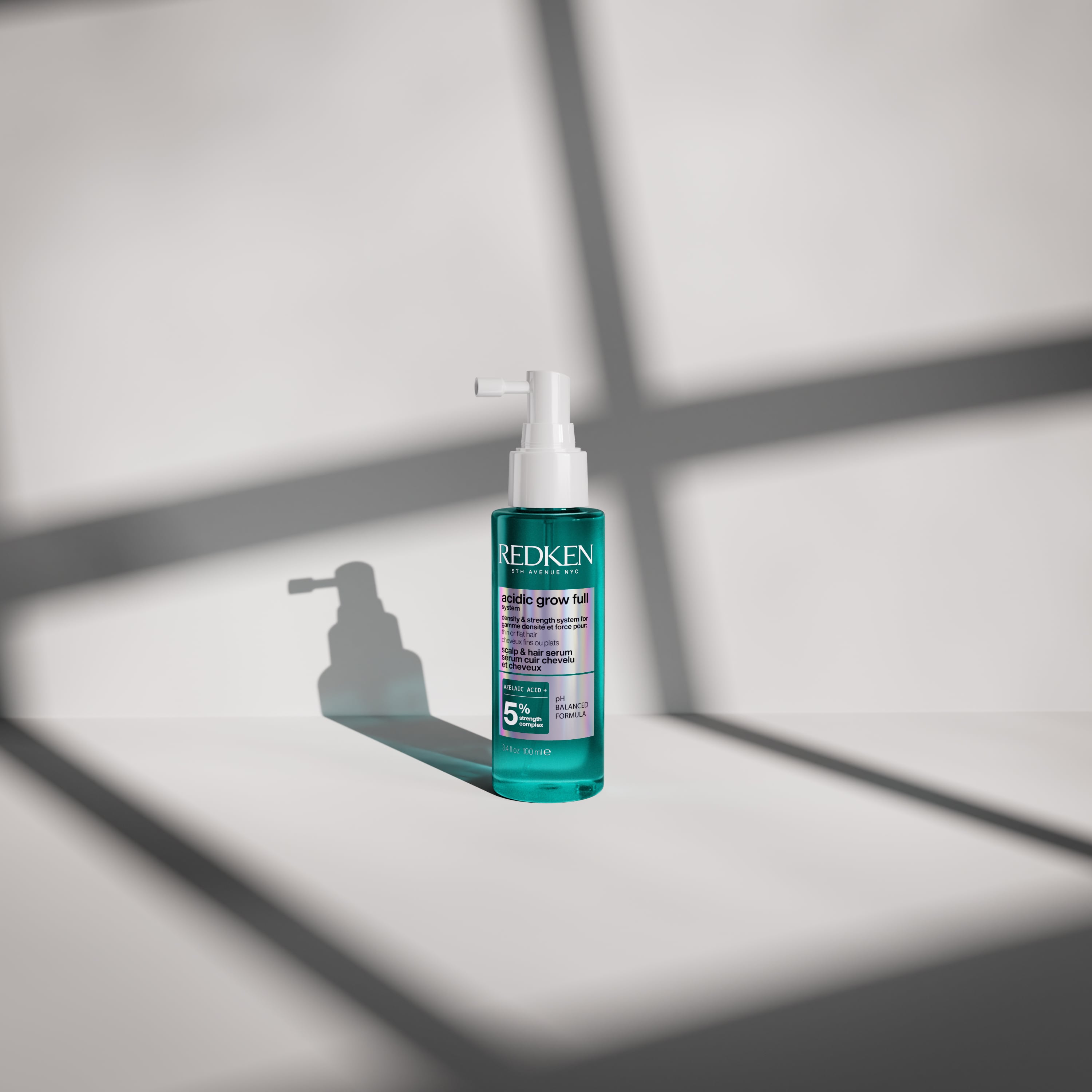
3. Acidic Grow Full System Serum is a scalp & hair serum for thin, flat hair with our 5% Strength Complex. It absorbs quickly without residue, ensuring your scalp feels refreshed and your hair looks full.
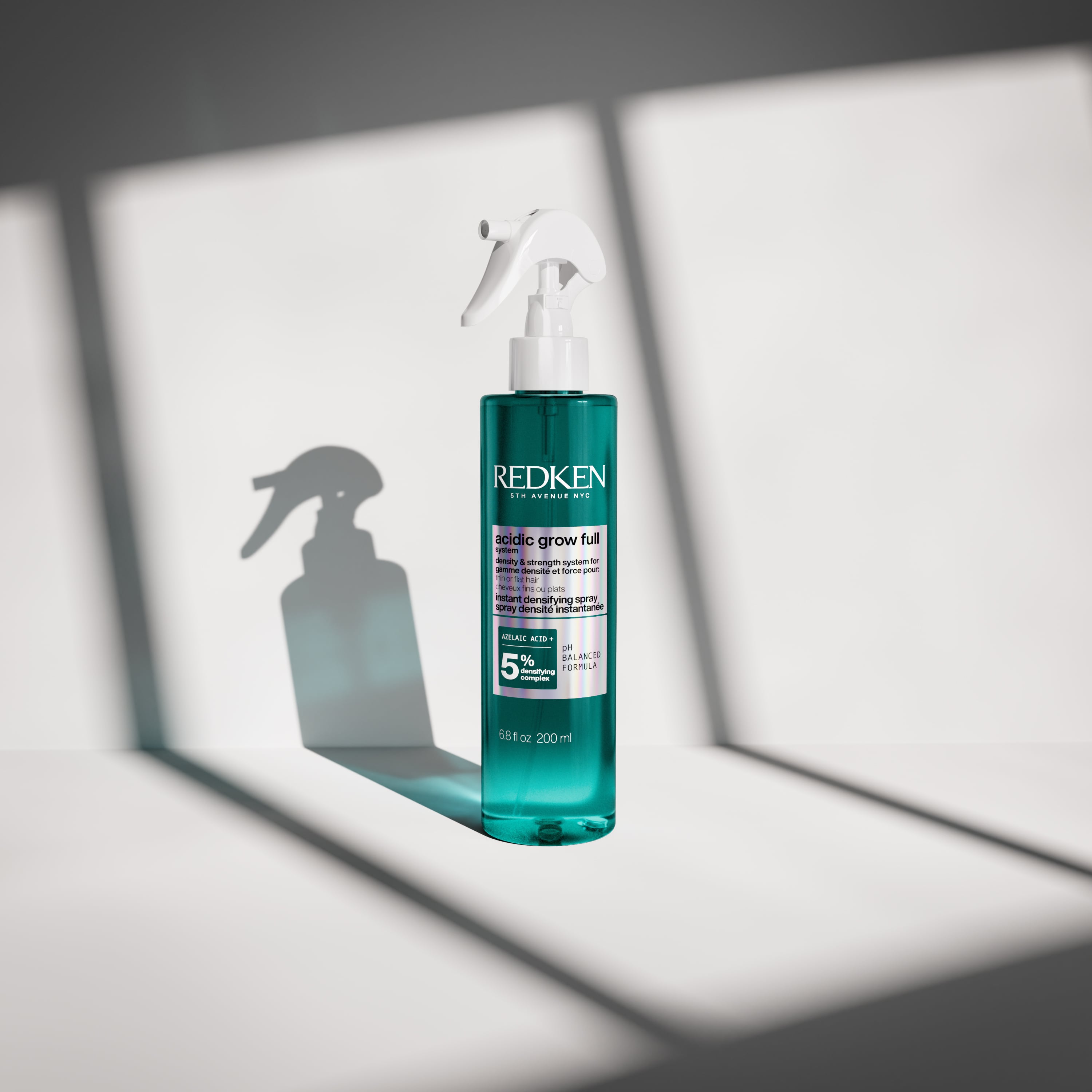
4. Complete your regimen with Acidic Grow Full System Densifying Spray for an immediate visible transformation. This leave-in treatment provides instant root lift for a fuller look and feel while protecting hair from heat styling up to 450°F.
As you can see, hair follows a complex biological cycle. The key is providing your strands with targeted support during the transition phases. Noticing increased shedding doesn’t have to mean accepting thinner-looking hair.
Ready to give thinning hair a strong foundation? Explore the Acidic Grow Full System range.
Answers to Your Frequently Asked Questions
FREQUENTLY ASKED QUESTIONS
IS IT NORMAL TO LOSE HAIR EVERY DAY?
CAN STRESS REALLY CAUSE HAIR LOSS?
DOES WASHING YOUR HAIR TOO OFTEN CAUSE HAIR LOSS?
ACIDIC FULL GROW SYSTEM FOR STRONGER HAIR
Acidic Grow Full System Densifying Shampoo
Densifying shampoo for thin, flat hair
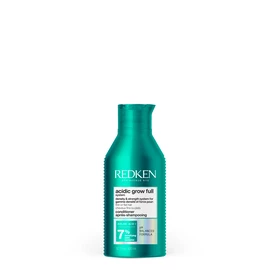
Acidic Grow Full System Densifying Conditioner
Densifying conditioner for thin, flat hair
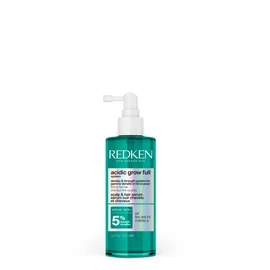
Acidic Grow Full System Scalp & Hair Serum
Densifying scalp & hair serum for thin, flat hair
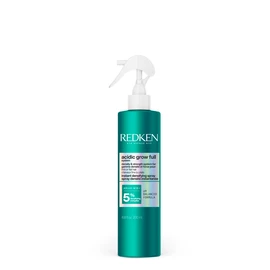
Acidic Grow Full System Instant Densifying Spray
Instant densifying leave-in spray for thin, flat hair




.webp?sw=270&sfrm=jpg&q=90)