In this article:
- How Do You Fix Dry Hair?
- What Should a Hydration Routine Look Like Week to Week
- How Often Should You Wash Dry Hair?
- Do You Need a Mask, an Oil, or Both?
- How Long Before Dry Hair Feels Different?
Key Takeaways:
- Dry hair, dehydrated hair and damaged hair are three different states on three different timelines, and the routine here is built for the first of them.
- The conditioning step carries more of the result than the shampoo does, and most of what it can give you depends on how long you leave it in the hair.
- A weekly mask is the deep end of the same routine, not a rescue for a routine that is not running the rest of the week.
- Oil is a finisher that seals what is already in the hair, so it goes over a leave-in and never in place of one.
- Expect softness at the first wash, an easier comb within a couple of weeks, and a change in how long the hair stays soft between washes by about the fourth.
Quick Answer
Fix dry hair by running a two-part routine at every wash: put water in with a gentle cleanse, a conditioner left on to work, and a weekly mask, then keep it in with a leave-in and a finishing oil.
Dry hair usually improves through consistency, not one big treatment. A mask can make dry hair feel better in a single wash, but the real trick is keeping that improvement once you leave the shower. A lasting moisture routine works in two steps every time you wash: replenish the hair, then help it hold onto that moisture.
How Do You Fix Dry Hair?
You fix dry hair by putting water into it and then sealing that water in, in that order, at every wash: cleanse gently, leave the conditioner on long enough to work, add a leave-in while the hair is still damp, and finish with a trace of oil over the top.
The two parts work differently, which is why both matter. Humectants attract and hold water in the hair, while emollients and oils coat the surface and help slow moisture loss. Humectants provide the moisture, while emollients and oils help keep it there. Using a humectant without enough surface protection can leave hair feeling hydrated at first but dry again later in the day. In dry air that gap costs you. A humectant keeps looking for water, and once the air around you is drier than the hair, the nearest supply is the hair itself. That is how a hydrating product can leave hair drier by evening than it was at the start.
This assumes dryness is what you are dealing with. Hair that reads as dry can be dehydrated, dry or damaged, three conditions on three different timelines, and Dehydrated Hair: The Signs Most People Miss gives you a home check for each.
What Should a Hydration Routine Look Like Week to Week
Week to week, a hydration routine is one short sequence repeated at every wash, with one wash upgraded by swapping the conditioner for a mask.
- Wet the hair in warm water, not hot. Warm water is enough for the cleanser to work without unnecessarily drying the hair.
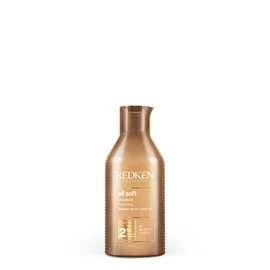
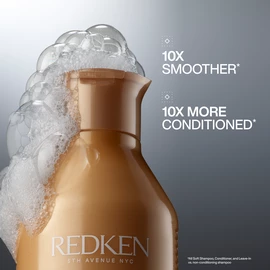
- Shampoo the scalp, not the length. Work All Soft Shampoo into the scalp with your fingertips and let the lather rinse through the lengths. The ends are the driest part of the hair and need less direct cleansing.
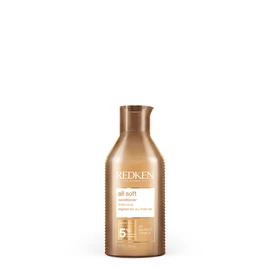
- Condition from the mid-lengths down. Apply All Soft Conditioner through the lengths and leave it on for three to five minutes. Comb through while the hair is slippery, then rinse thoroughly.
- Apply leave-in to damp hair. Blot with a microfiber towel or cotton T-shirt until the hair stops dripping, then work All Soft Moisture Restore Leave-In Treatment through the mid-lengths and ends. The leave-in helps provide additional moisture and softness throughout the day.
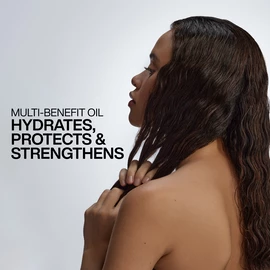
- Finish with oil. Apply a small amount of All Soft Argan-6 Hair Oil to the ends after your other products. This helps smooth the surface and reduce moisture loss.
- Once a week, swap the conditioner for a mask. Use All Soft Heavy Cream Mask or All Soft All-In Mask in place of the conditioner for 3-5 minutes. Keep the rest of the wash routine the same.
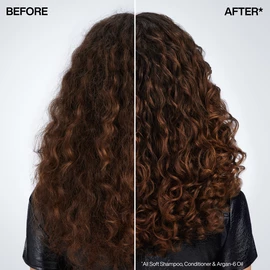
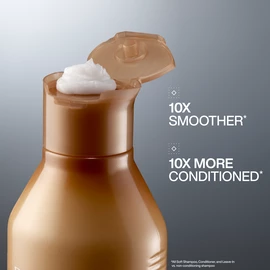
All Soft uses Argan Oil to help smooth the hair's surface and leave it feeling soft and silky. All Soft Shampoo and Conditioner used as a system deliver 15x more conditioning.*
*System of All Soft Shampoo, Conditioner and Argan-6 Hair Oil.
How Often Should You Wash Dry Hair?
Most dry hair does best on two or three washes a week, with the number set by your scalp rather than by your ends, since the length can be conditioned on the days you do not shampoo at all.
Stretching washes is often prescribed on its own and it under-delivers, because the hydrating steps only happen when you are in the shower.
- Oily Scalp, Dry Ends. Wash as often as the scalp needs, with the shampoo strictly on the scalp. The length gets conditioner every time.
- Coarse, Curly or Coily Hair. Once or twice a week suits most of this hair, since natural oils travel slowly down a curved strand. Conditioner-only rinses in between are a real option.
- Fine Hair that Goes Flat. Frequent light washes beat a few heavy ones. Keep conditioner below the ears and the leave-in to a small amount through the ends.
Water temperature is the other half of this question. If turning the whole shower down is too much on a cold morning, turn it down for the final rinse.
Do You Need a Mask, an Oil, or Both?
You need both, because they do opposite jobs: a mask puts water and conditioning agents into the hair, and an oil slows the rate at which they leave, which makes the oil a finisher for the mask and never a replacement for it.
Confusing the two is the most common reason a hydration routine stalls. Oil works in seconds and does nothing to raise the water inside the strand, so hair oiled without being conditioned looks improved and behaves exactly as before.
What a Hair Mask is For
Use a mask once a week in place of your regular conditioner, leaving it on for five to ten minutes. All Soft Heavy Cream Mask is a richer option for hair that feels dry throughout the length, while the All Soft All-In Mask provides conditioning and additional benefits in one step. If the hair feels heavy the next day, use less and rinse longer the next time you use it.
What Hair Oil is For
The oil is the last thing to touch the hair. All Soft Argan-6 Oil goes on damp hair over the leave-in, or on dry ends afterward. On damp hair it spreads further and helps the hair dry smoother; on dry hair it lies on the surface where the roughness is. Start with a drop or two for shoulder-length hair and add a third only if the ends still look dull. Warm it between your palms first, and keep it below the ears. Oil at the root reads as unwashed hair within hours and sends people back to washing more often than the length can take.
How Long Before Dry Hair Feels Different?
Dry hair feels different at the first wash and behaves differently by about the fourth week, because softness is a surface effect that arrives at once, while the marker worth waiting for, hair still soft on day three, only shows up after a month of repetition.
- After one wash, the hair should take the conditioner and the leave-in without going limp and without staying rough to the touch. That tells you the weights suit your hair, and nothing yet about whether water is staying in the strand.
- Less drag from the mid-lengths down, on wet hair, on two washes running, is the earliest honest sign of the hydrating half landing.
- Softness in the hour after a shower proves nothing; softness still there on the third day is the sealing half working. Softness gone by morning means the leave-in and the oil are too light, too little, or going on hair that has already dried.
- Past a month, what is left is mechanical. Worn ends that need cutting off, heat use that has not come down, or hard water depositing on the surface.
Fixing dry hair starts with consistent moisture and conditioning. Cleanse gently, give your conditioner time to work, use a mask once a week, then apply a leave-in and a small amount of oil. Use warm water rather than hot, and trim severely damaged ends when needed. Consistent care can help improve softness, manageability, and the overall condition of dry hair.
When to Book a Professional Consultation
Take one scenario to a professional Redken hair stylist: the length is still dry after four steady weeks and you cannot tell why. In person, how fast your hair wets through, how much of the length is worn past what a treatment can help, and whether the dryness lines up with a color service or a move are all worth bringing up.
Find a Redken salon near you to book a professional consultation.
Next: Dehydrated Hair: The Signs Most People Miss. If the softness here doesn't hold, or you're not sure dryness was ever the right diagnosis, this is the checklist that tells dehydrated, dry and damaged apart.
Frequently Asked Questions
Answers to Your Frequently Asked Questions
Can you fix dry hair without cutting it?
Do you still need a leave-in if you use a mask every week?
Should hair oil go on wet or dry hair?
Is hot water bad for dry hair?
Why does my hair feel dry again the day after a mask?
Discover Best Sellers
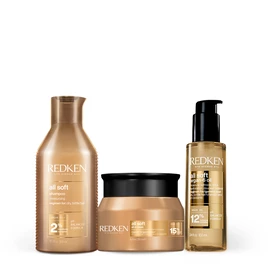
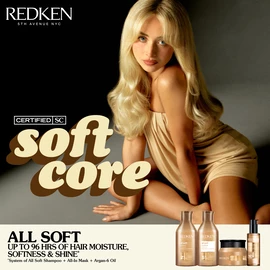
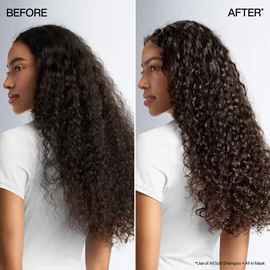
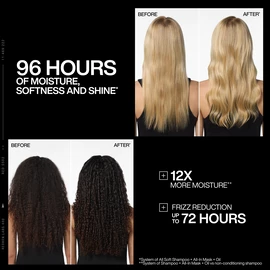
All Soft Deep Moisture Trio
Moisturizing Shampoo, Deep Conditioning Mask and Hydrating Argan-6 Oil for Dry, Brittle Hair
10% OFF WITH CODE BUNDLE10
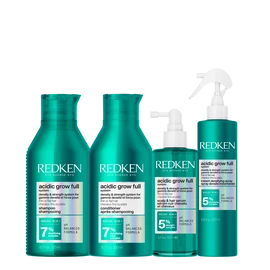
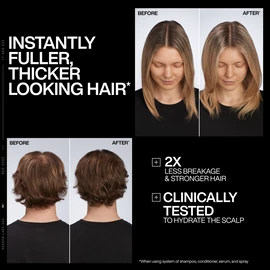
Acidic Grow Full System Bundle
Acidic Grow Full System Shampoo, Conditioner, Serum & Densifying Spray
10% OFF WITH CODE BUNDLE10
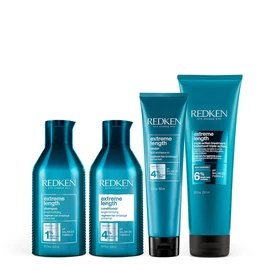
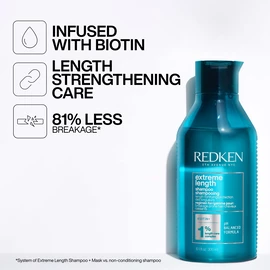
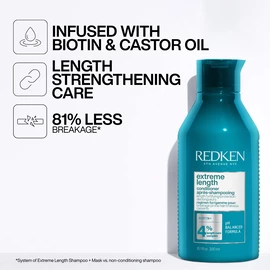
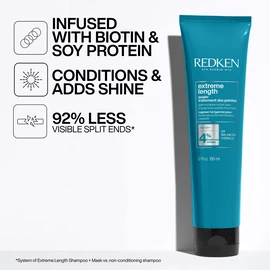
Extreme Length Set
Extreme Length Shampoo, Conditioner, Triple Action Treatment, Leave-In Treatment with Biotin
10% OFF WITH CODE BUNDLE10
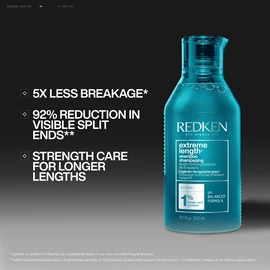
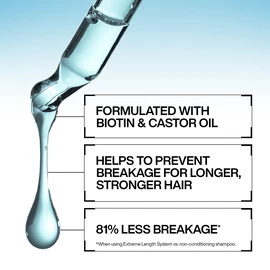
EXTREME LENGTH BIOTIN SHAMPOO
Enriched strengthening shampoo to promote longer hair
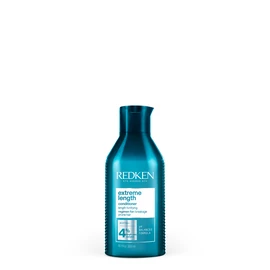
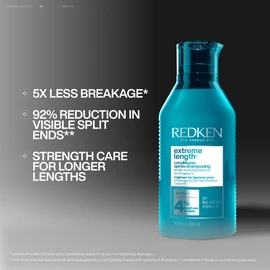
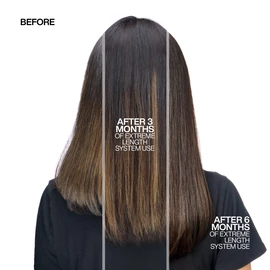
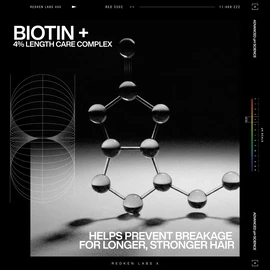
EXTREME LENGTH BIOTIN CONDITIONER
Enriched strengthening conditioner to promote longer hair
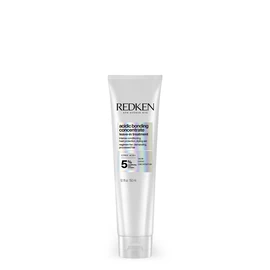
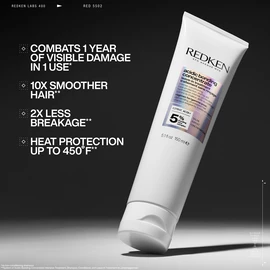
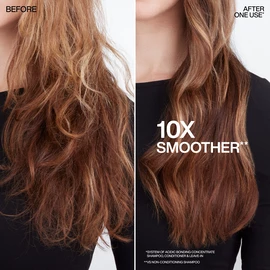

ACIDIC BONDING CONCENTRATE LEAVE-IN TREATMENT
Best-selling, sulfate-free leave-in treatment for strength repair in 1 use.
*Travel size excluded from promotions
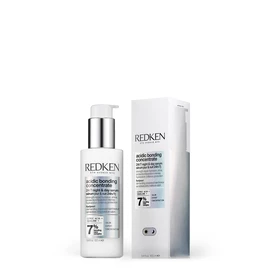
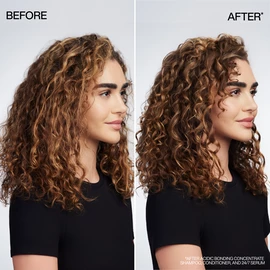
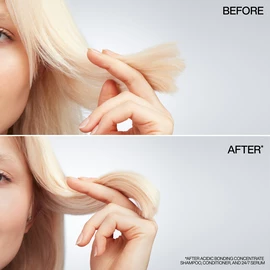
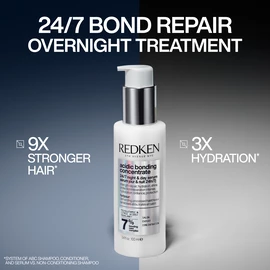
Acidic Bonding Concentrate 24/7 Night & Day Serum
Bond repair serum that combats daily damage overnight
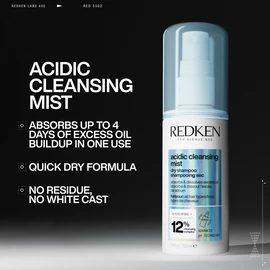
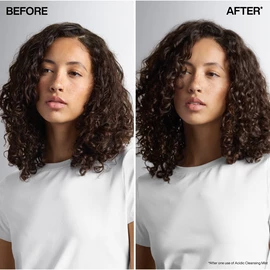
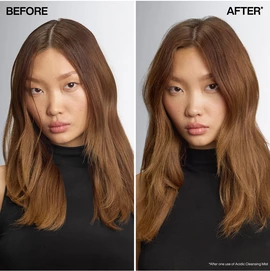
Acidic Cleansing Mist Dry Shampoo
Volumizing non-aerosol dry shampoo for oily hair & scalp