.webp?sw=50&sfrm=jpg&q=90)
WHAT ARE HIGHLIGHTS? HOW HAIR HIGHLIGHTING WORKS
So, what exactly are highlights? Simply put, highlights are pieces of hair that are lighter than your natural base color. As Redken Artist George Garcia explains, "If your base color is brown, you can add highlights that are a lighter brown, or even have brown hair with blonde highlights. For blondes, blonde highlights incorporate lighter blonde shades." The goal is to add dimension, brightness, and movement, making your hair look multifaceted and vibrant. Highlights are one of the most common hair color processes, and can apply to a number of different processes from foils to balayage. They tend to be 2-3 shades lighter than your base color, so for brunettes, they can range from honey to golden to caramel; for redheads, something in the strawberry blonde family is usually gorgeous; and for blondes, they lean on the side of bright-blonde and platinum. “Choose highlights for a more solid and brighter look,” says Redken artist Laura Carmichael. Depending on the look you want to achieve, highlights can be applied either strand by strand for a glowy, sunkissed look, or in larger panels for a bold, chunky effect.
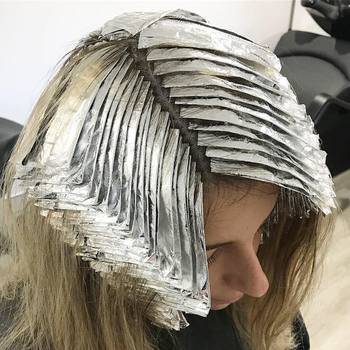 Photo Credit: chantellemareehair
The basic process of hair highlighting involves a lightening agent applied to specific sections of your hair to lift its natural pigment. While the duration can vary depending on the desired effect and complexity of the technique, a typical highlighting service can take anywhere from a couple of hours for a partial highlight to several hours for a full head of foils or a complex balayage.
It's important to note the difference between highlights and lowlights. While highlights add lighter strands, lowlights involve coloring strands darker than your base, adding depth and shadow. Often, a combination of dimensional highlights and lowlights is used to create a truly rich and natural-looking result, ensuring your hair never looks flat.
WHY SHOULD I SEE A PROFESSIONAL HAIRCOLORIST FOR HIGHLIGHTS?
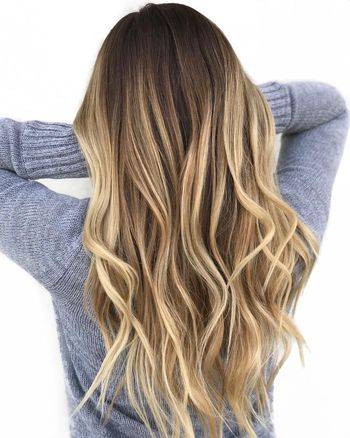 Photo Credit: audreyinskeep
While at-home highlighting kits might seem tempting, highlights are definitely not a DIY project if you want professional-looking, healthy results. "Yes, you can learn how to apply a foil or paint on some color, but that technique might just work for one type of haircut, and not yours," emphasizes George Garcia.
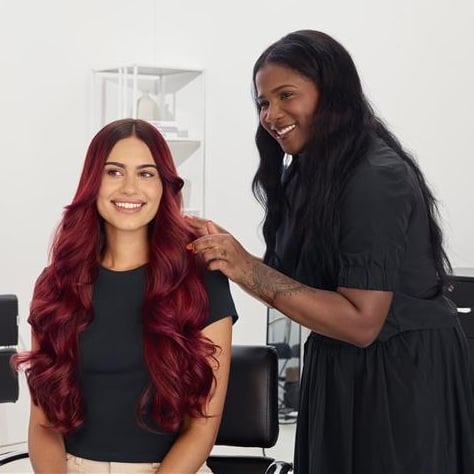
Professional colorists are trained to consider every aspect of your unique look, including your skin tone, eye color, and the current hair health. This in-depth analysis ensures the chosen highlight shades and placement perfectly complement your features. Furthermore, any type of highlights involve lightening the hair, which can potentially cause damage. Pros are not only skilled in proper color application to minimize this, but they also have access to strengthening treatments. A favorite among colorists is the Redken pH-Bonder, an in-salon treatment that protects the bonds in the hair and reduces breakage during color services, maintaining the integrity of your strands.
DECODING THE TECHNIQUES: TYPES OF HAIR HIGHLIGHTS
The world of highlights is vast, offering a range of techniques to achieve various looks, from subtle whispers of color to bold statements.
TRADITIONAL FOILS VS MODERN FREEHAND TECHNIQUES
Traditionally, foils are used to strategically isolate parts of the hair in various shapes and patterns. This technique allows for precise placement and can create anything from very bold contrast to very soft, blended effects.
For a more lived-in, natural look, balayage (a French word meaning "to sweep") is a free-form, hand-painting technique where the colorist sweeps the lightening agent onto smaller, more random pieces of hair. This creates a soft, graduated effect with less noticeable regrowth, making it a popular choice for low-maintenance beauty.
A SPECTRUM OF HIGHLIGHT STYLES
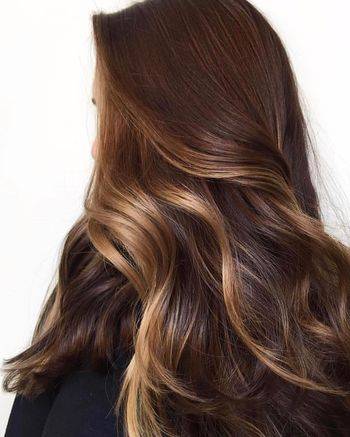 Photo Credit: prettylittleombre
- Babylights: These are ultra-fine, delicate highlights that mimic the subtle, natural highlights seen on children's hair. They are applied meticulously for a soft, sun-kissed glow.
- Chunky Highlights: For a bolder statement, chunky highlights involve thicker, more defined sections of lighter hair, creating a striking contrast.
- Face-Framing Highlights / Money Piece Highlights: Concentrating lighter pieces around the hairline, particularly around the face, can instantly brighten your complexion. As Redken Artist Celene Dupuis notes, "It’s almost like contouring for your hair, bringing out your best features, while still looking soft and natural." This is often referred to as the "money piece" due to its transformative effect.
- Ombre: This technique features a dramatic transition from darker roots to lighter ends, with a noticeable gradient. The roots stay dark, and the mid-shaft to ends gradually lighten.
- Sombre: A softer version of ombre, sombre offers a more subtle, blended transition between colors, creating a natural, sun-faded look.
- Teasylights: This method combines teasing the hair before applying lightener, creating a diffused, blended highlight that grows out softly.
- Ribbon Highlights: These are slightly thicker, well-blended highlights that weave through the hair, creating visible streaks of lighter color that resemble ribbons.
- Peekaboo Highlights: Hidden underneath the top layer of hair, these highlights offer a surprise pop of color that is only revealed with movement or specific styling.
HIGHLIGHTS VS. LOWLIGHTS: WHAT IS THE DIFFERENCE?
Changing your hair color doesn’t have to be drastic. As in, you don’t need to make the leap from blonde to brunette, or vice versa, to totally switch up your look. In fact, you can breathe new life into any style with subtle changes by way of highlights and lowlights. Think of highlights and lowlights as a pop of color instead of a full transformation—they can be use to either brighten (highlights) or deepen (lowlights) your natural shade without doing a full overhaul of the color you’re already working with. They also help add dimension to a single shade, and can do away with any sort of flatness or dullness you’re dealing with in your color. But in the battle of highlights vs. lowlights, how do you choose which is best for you? Aside from talking to your stylist and asking every question you’ve got (because, FYI, a proper consultation is just as important for them as it is for you!), here are some tips on how to decide.
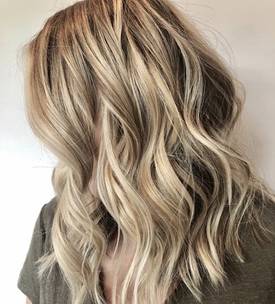
Highlights involve the strategic lightening of specific hair strands, making them appear brighter than your natural base color. This technique aims to introduce dimension, movement, and a sun-kissed effect to the hair, mimicking the natural lightening that occurs from sun exposure. Whether achieved through traditional foil methods for a more uniform and structured lift, or with freehand techniques like balayage for a softer, more blended result, highlights can range from subtle "babylights" that offer a delicate glow to bolder, more pronounced "chunky highlights" that create striking contrast. The goal is always to enhance the hair's natural beauty by adding brightness and depth, creating a multi-tonal and vibrant appearance.
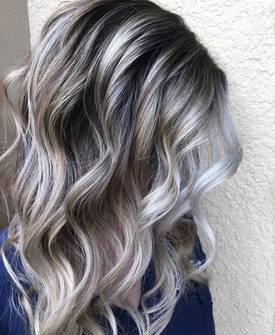
While highlights lighten, lowlights deepen. Lowlights involve coloring strands two to three shades darker than your base, adding richness, depth, and the illusion of volume. Lowlights In contrast to highlights, lowlights involve coloring select strands of hair with a darker shade than your natural base. This technique is used to add depth, richness, and shadow back into the hair, creating the illusion of fuller, more voluminous locks. Lowlights are particularly effective for hair that might appear flat or one-dimensional, especially if it has been heavily highlighted over time. By strategically weaving in darker tones, a colorist can create a beautiful interplay of light and shadow, enhancing the overall texture and movement of the hair. This approach results in a more nuanced and multifaceted look, providing a sophisticated depth that complements both lighter and darker hair colors. Your stylist may often use a combination of highlights and lowlights to achieve the most natural and multifaceted hair color, preventing a flat or dull look.
CHOOSING YOUR PERFECT SHADE: TAILORING YOUR HIGHLIGHTS TO YOUR HAIR
The beauty of highlights is their versatility. They can be customized for virtually any base color, hair length, and desired effect.
HIGHLIGHTS FOR BRUNETTES: A RICH DIMENSION
While often associated with blonde hair, highlights can look just as stunning on brunettes, adding incredible dimension and visual interest. "For the first time ever we can take every brunette and give them a lighter shade that looks good on them," says Redken Artist Celene Dupuis.

- Brown Hair with Blonde Highlights: For lighter-toned brunettes, highlights only a shade or two lighter than your natural color can create beautiful contrast without harsh lines. Dupuis suggests asking for a root shadow to ensure a seamless grow-out.

- Balayage for Brown Hair: Balayage works exceptionally well on dark hair, creating a natural, subtle lift. Since it offers a softer grow-out, you can extend time between salon visits (three to six months!).

- Ombre for Brown Hair: Ombre creates a dramatic effect with dark roots gradually lightening towards the ends, providing a striking look with minimal upkeep as it grows out beautifully.
CONSIDERING YOUR SKIN TONE AND UNDERTONE
A professional colorist will also consider your skin tone and undertone to recommend the most flattering highlight shades. Warm undertones might suit golden or honey highlights, while cool undertones often look best with ash or platinum shades.
THE SALON CONSULTATION: HOW TO COMMUNICATE YOUR HIGHLIGHTS VISION
- Bring Inspiration: Gather photos of hair colors you love—and even those you dislike—to give your colorist a clear visual of your desired outcome.
- Discuss Your Lifestyle: Be honest about how often you're willing to commit to maintenance appointments. Some highlight techniques, like balayage, offer a more lived-in, low-maintenance grow-out compared to traditional foils.
- Hair Health First: Discuss your hair's current hair health and any past color services. Your colorist may suggest a strand test to see how your hair reacts to the lightening agent.
- Be Clear, Be Candid: Redken Artist Celene Dupuis notes: "Your hair makes a statement to the world. Tell your colorist whether you want that to be a whisper or a shout." Whether you desire a subtle sun-kissed effect or bold color application, clearly communicating your expectations is paramount.
MAINTAINING YOUR LUMINOUS LOOK: HIGHLIGHT AFTERCARE AND REDKEN PRODUCTS
Lightened hair can sometimes feel dry or brittle, making a robust at-home care routine essential. "Healthy hair also holds color better," notes George Garcia.
ESSENTIAL REDKEN CARE FOR ALL HIGHLIGHTED HAIR:
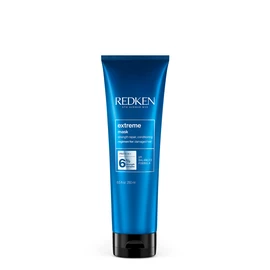
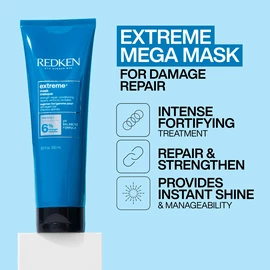
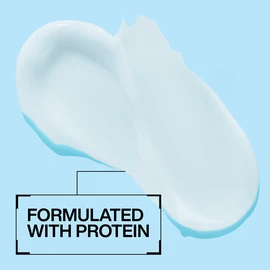
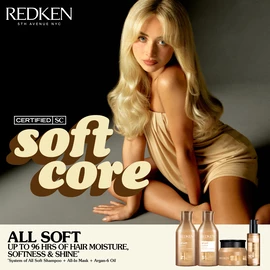
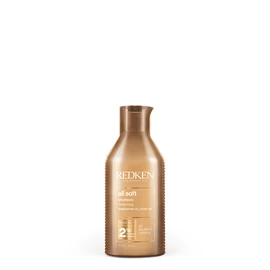
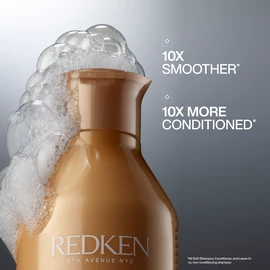
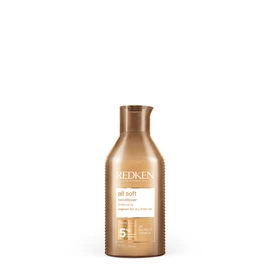
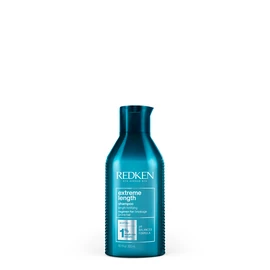
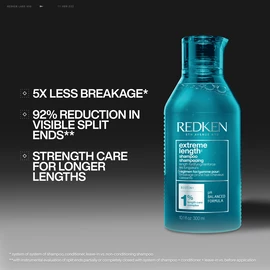
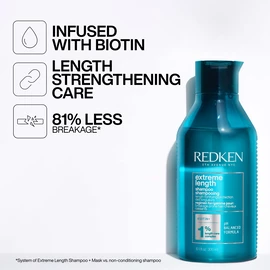
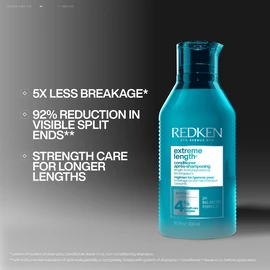
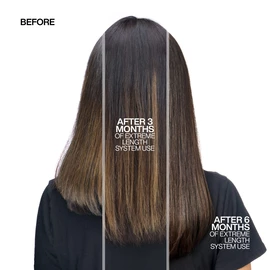
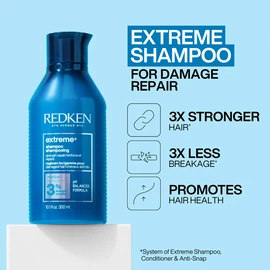
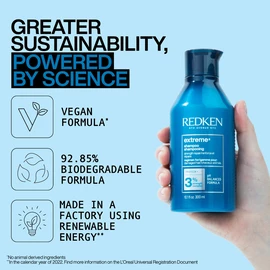
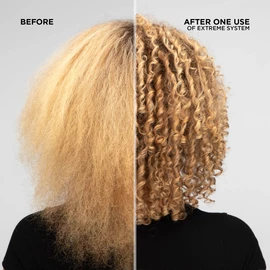
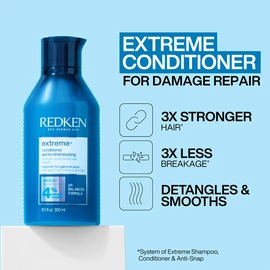
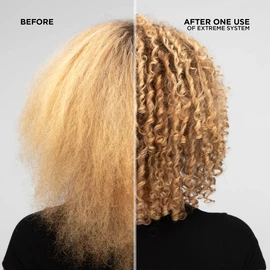
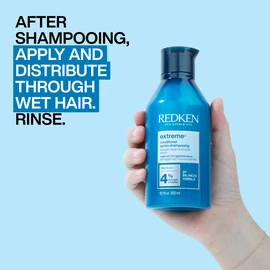
Regardless of whether you have brown highlights or blonde highlights, a strengthening routine is a must. George recommends the Redken Extreme Strengthening Shampoo and Redken Extreme Strengthening Conditioner. This duo, powered by an exclusive protein complex, strengthens hair from root to core to tip, helping to combat damage from lightening. A weekly treatment is also non-negotiable. Alternate between Redken Extreme Anti-Snap Leave-In Treatment for strengthening benefits, and a deeply moisturizing option like Redken All Soft Heavy Cream Super Treatment Mask. "Switching between these two will not only help keep your hair strong and healthy, but also help you maintain your color," Garcia advises.
WATCH EXTREME IN ACTION
TAILORED CARE FOR BLONDE HIGHLIGHTS: KEEPING BRASSINESS AT BAY
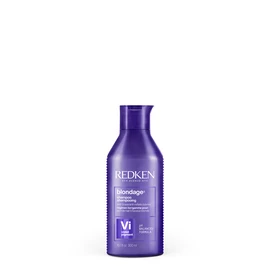
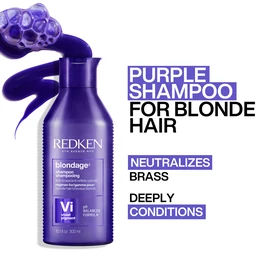
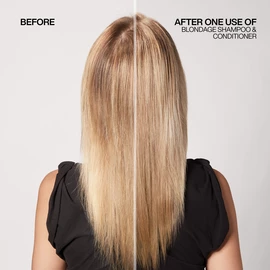
Blondes, especially those with cooler blonde highlights, are susceptible to unwanted yellow tones. For this, incorporate Redken Color Extend Blondage Color Depositing Purple Shampoo into your routine. This violet-pigmented shampoo actively counteracts yellowing, keeping your blonde cool and brass-free, all while strengthening hair with its Triple Acid Protein complex. George suggests using it weekly initially, gradually increasing frequency as needed.
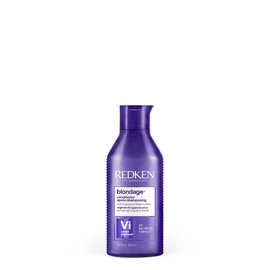
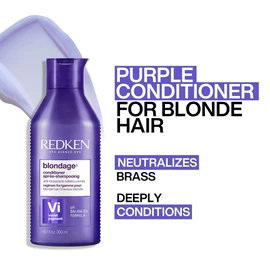
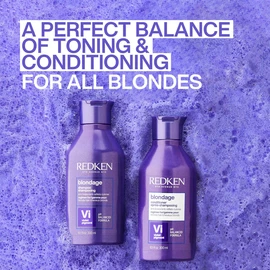
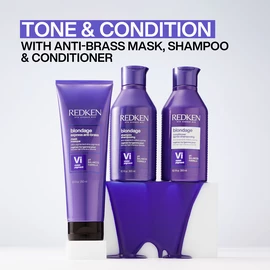
BLONDAGE COLOR DEPOSITING CONDITIONER
Pigmented conditioner for toning brass from blonde hair
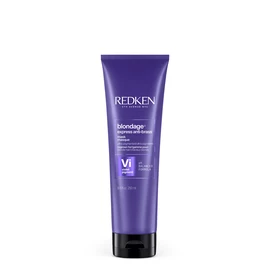
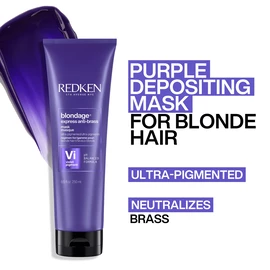
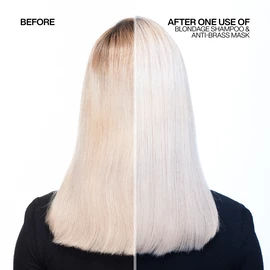
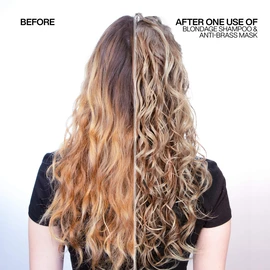
BLONDAGE EXPRESS ANTI-BRASS MASK
Pigmented hair express mask to tone brass in blonde hair
SPECIFIC CARE FOR BROWN HAIR WITH HIGHLIGHTS: THE POWER OF BLUE
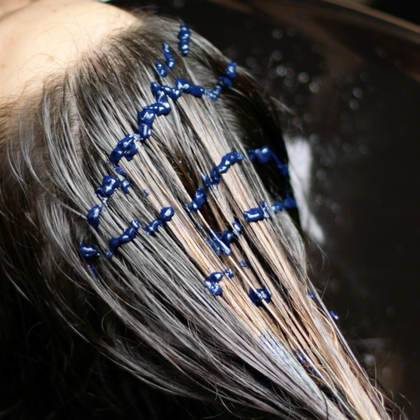
Brunettes, rejoice! Unwanted orange or red (brassiness) can appear when lightening brown hair. The solution? Blue shampoo. A color-depositing blue shampoo and conditioner will neutralize undesired warm tones. Think of the color wheel: blue directly opposes orange, effectively canceling it out.
LONG-TERM MAINTENANCE & LOW MAINTENANCE TIPS
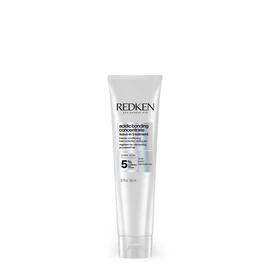
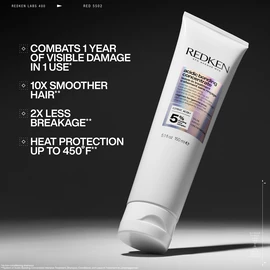
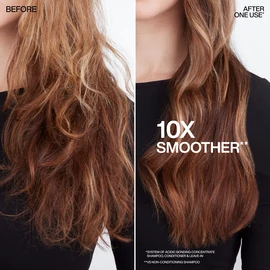
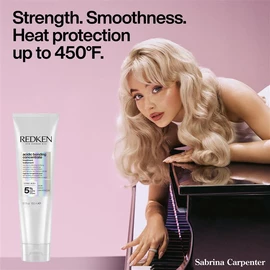
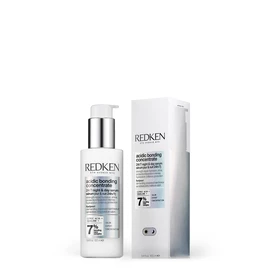
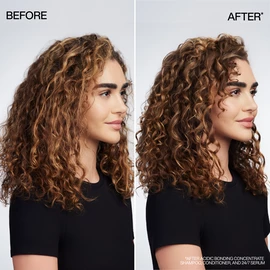
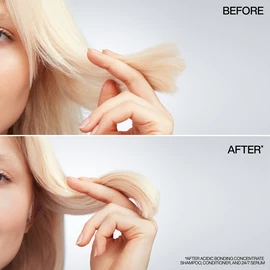
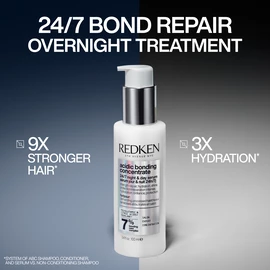
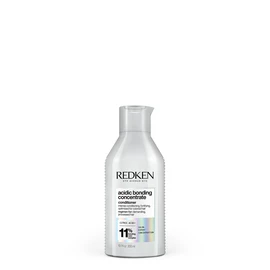
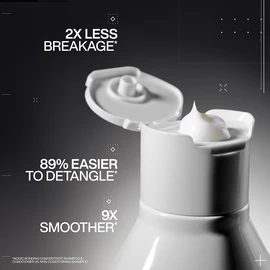
- Deep Conditioning: Swap your conditioner for a hydrating mask like Redken Acidic Bonding Concentrate Hair Mask or Redken All Soft Heavy Cream Super Treatment Mask once a week, focusing on brittle ends. The Redken Acidic Bonding Concentrate Leave-In Treatment is also fantastic for ongoing bond repair.
- Gloss Treatments: Pop back into the salon for a demi-permanent gloss. This will refresh your tone and add incredible shine, all while being gentle on your hair. You can also maintain glossy hair at home with our Acidic Color Gloss collection.
- Lived-in Color: Techniques like balayage and sombre are excellent for those seeking low maintenance as they allow for a soft, natural grow-out, extending the time between appointments.
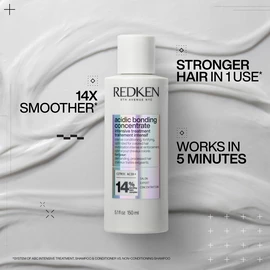
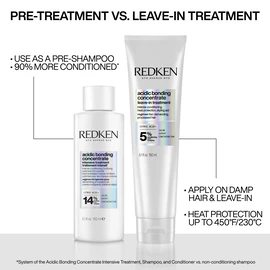
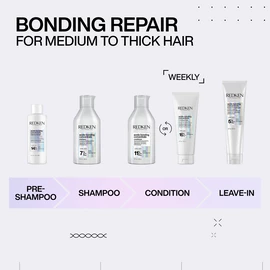
ACIDIC BONDING CONCENTRATE INTENSIVE TREATMENT
Sulfate-free, bonding pre-treatment for stronger hair in 1 use.
*Travel size excluded from promotions
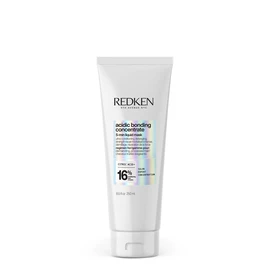
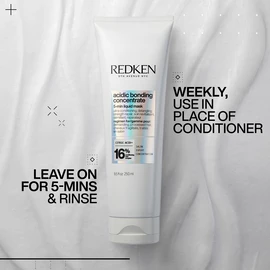
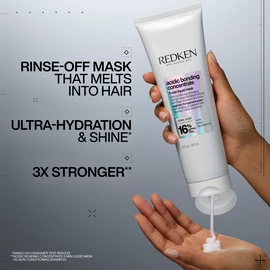
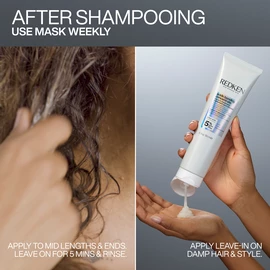
ACIDIC BONDING CONCENTRATE 5-MIN LIQUID MASK
Sulfate-free ultra-conditioning mask for deep hydration and repair.
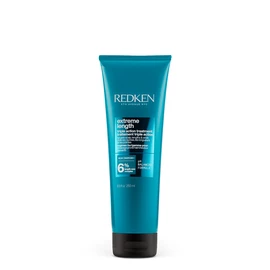
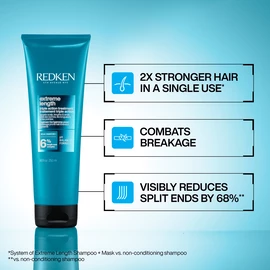
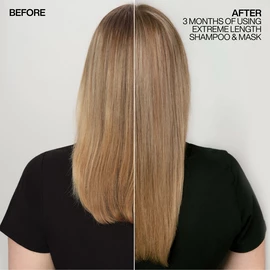
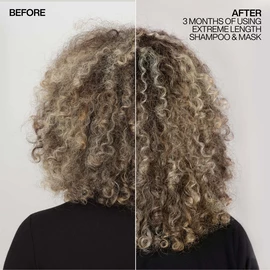
EXTREME LENGTH TRIPLE ACTION TREATMENT
Enriched hair mask for instantly stronger hair to promote longer hair
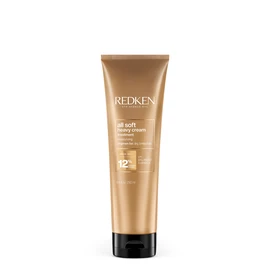
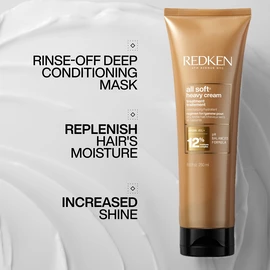
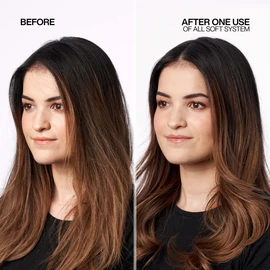
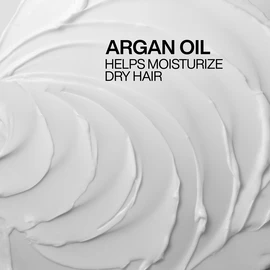
ALL SOFT HEAVY CREAM MASK
Deep moisturizing rinse-out mask to transform dry hair
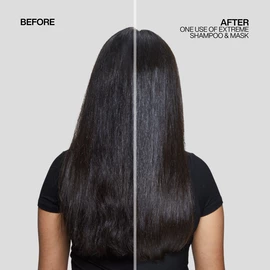
BLONDAGE EXPRESS ANTI-BRASS MASK
Pigmented hair express mask to tone brass in blonde hair
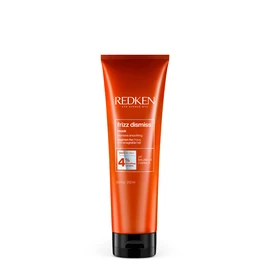
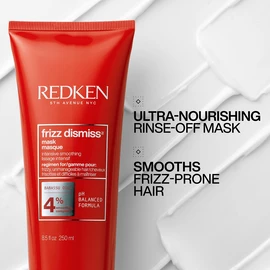
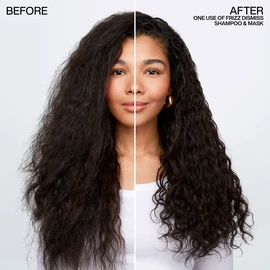
FRIZZ DISMISS MASK INTENSE SMOOTHING TREATMENT
Intense smoothing mask for frizz control
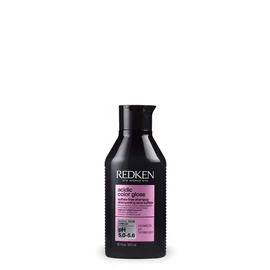
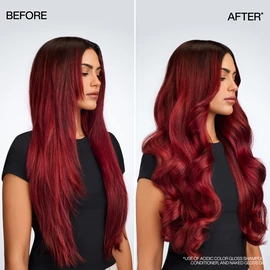
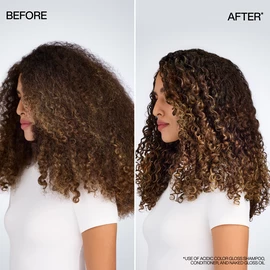
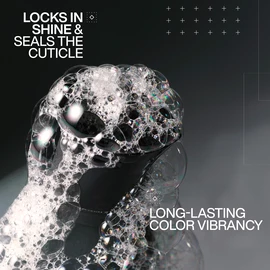
Acidic Color Gloss Sulfate-Free Shampoo
Sulfate-free shampoo for color-treated hair to help prolong color and shine.
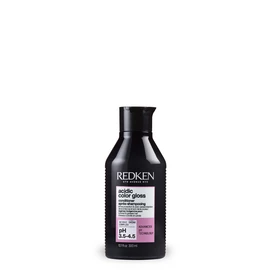
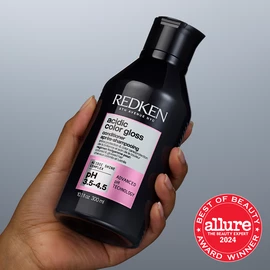
Acidic Color Gloss Conditioner
Conditioner for color-treated hair that helps prolong color and shine.
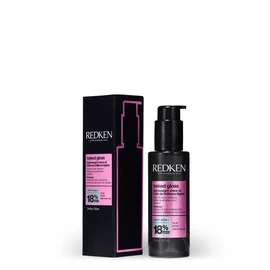
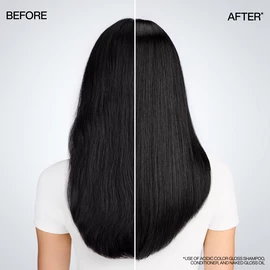
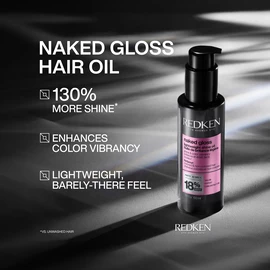
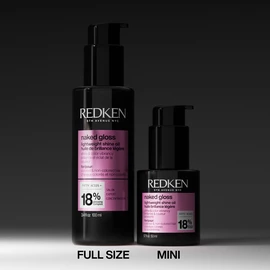
Naked Gloss Lightweight Shine Oil
Lightweight hair oil for shine, moisture & color vibrancy
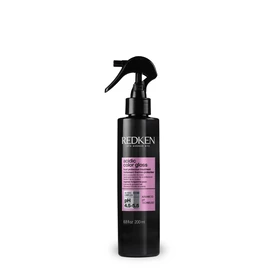
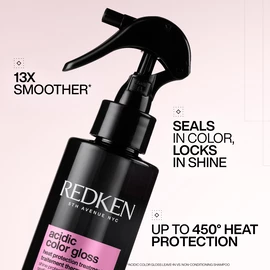
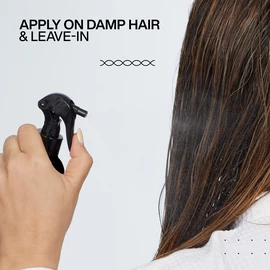
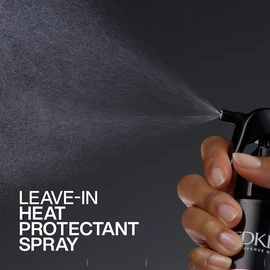
Acidic Color Gloss Heat Protection Leave-In Treatment
Leave-in treatment spray that provides hydration, detangling and heat protection up to 450°F.
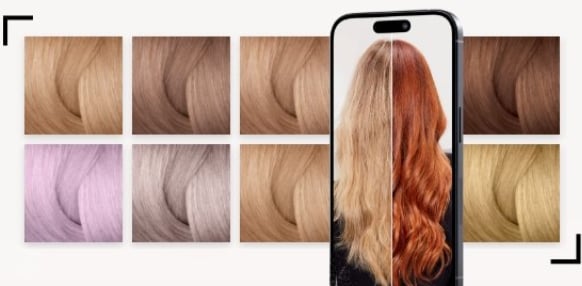
By following these expert tips and incorporating Redken's advanced haircare, you can ensure your highlights remain vibrant, healthy, and salon-fresh between visits. For more highlight inspiration and tips on how to maintain your hair color between salon visits, follow @Redken on Instagram!


.webp?sw=270&sfrm=jpg&q=90)
.webp?sw=270&sfrm=jpg&q=90)