In this article:
- What Are the Signs of Dehydrated Hair?
- Is Dehydrated Hair the Same as Dry Hair?
- How Can You Tell Dehydration From Damage?
- Why Does Dehydrated Hair Get Static?
- How Fast Can Dehydrated Hair Recover?
Key Takeaways:
- Dehydrated, dry and damaged are three separate conditions that share one word on the shelf, and what corrects one of them does very little for the other two.
- Dehydration is about how well a strand holds the water it takes on, dryness is a shortage of the lipids that slow water loss, and damage is a physical change to the strand itself.
- The early signs get missed because each one has an obvious culprit standing next to it: the season, the brush, the bathroom light, or color that was due a refresh.
- Hair that drinks product and stays thirsty, and hair that dries faster than it used to, are both telling you about how well the strand holds water.
- Dehydration is the most reversible of the three, which is the reason it is worth telling apart before you spend anything on fixing it.
Quick Answer
Dehydrated hair will not hold the water it takes on, dry hair is short of the lipids that slow water leaving, and damaged hair has lost structure, which is why the three feel alike and answer to different things.
Hair can become drier before it feels noticeably dry. It may feel rougher to the touch, develop more static, look dull or flat, or lose moisture faster when it air-dries. Your shampoo and styling routine may not have changed, but the hair’s ability to retain moisture can. Recognizing these early signs can help you adjust your routine before dryness becomes more difficult to manage.
What Are the Signs of Dehydrated Hair?
Dehydrated hair rarely announces itself with one obvious change. More often, a few small things start happening at once: your hair behaves differently in the same routine, and the change is easy to blame on weather, styling, or a product that suddenly seems to be working differently.
- Static in a warm room. Water carries charge off a strand, so hair holding less of it lifts and repels itself the moment a hat or a sweater passes over. The check: smooth damp palms over your head. Lift that drops away on contact and is back before the morning is out is about water.
- Tangling that arrived on its own. Nothing changed, and the comb started catching in the mid-lengths anyway. The check: detangle wet with conditioner in. If it combs cleanly wet and knots as it dries, the fiber is losing water on the way down. If it snags with slip on it, look at the surface.
- Hair that drinks product and stays dehydrated. You use more, it vanishes, and the ends feel bare by mid-afternoon. The check: treat one damp section and leave the rest. If that section feels no different two hours later, your hair is taking moisture in and letting it straight back out.
- Dullness before roughness. Shine goes first, because a fiber short of water sits less evenly under light, and the surface can feel smooth while it looks flat. The check: hold a section to a window and turn it. A soft, faded band of light on hair that still feels fine is early dehydration.
- Hair that dries faster than it used to. Water is leaving the surface sooner than it did, which points at how well the strand is holding it. The check: pair it with the wet stretch test below. Quick drying on soft, springy strands points to dehydration; quick drying on strands that stretch and stay stretched points elsewhere.
One sign alone means little. Two or three in the same month is a pattern worth naming before you buy anything, because the conditions underneath them do not answer to the same product.
Is Dehydrated Hair the Same as Dry Hair?
No. Dehydrated hair will not hold the water it takes on; dry hair is short of the oils that slow the loss in the first place. The two feel alike, but they arrive from different directions and clear on different timelines.
Water is what makes a strand flexible. It sits inside the fiber and moves in and out with the air around you, settling to whatever the room is doing within a few hours. Think of that fiber the way you would think of a rolled-up towel: gathered tightly, it holds its dampness for hours, but shaken loose and left open, that same towel dries out in a fraction of the time, with nothing about the fabric itself changed.
Dehydration is that exchange running against you: hot showers, dry indoor air, sun, wind and skipped conditioning steps leave the surface unable to slow the loss, so the hair spends most of the day at the bottom of its range instead of the top.
Dryness is a supply problem of a different kind. A strand has a fatty outer layer and lipids within it, and those slow the loss of water. Stripping washes, sun, chemical services and age deplete them, and coils run drier by default because oil from the scalp cannot travel far down a bend. Hair short of lipids has nothing slowing the loss of moisture.
Hair can be both dry and dehydrated, but the distinction is useful. If the change is recent and your hair is suddenly more static-prone, tangly, or thirsty, start with moisture. If dryness has been a consistent part of how your hair behaves, the Redken dry hair range is designed to address it.
| WHAT ARE YOU COMPARING | DEHYDRATED | DRY | DAMAGED |
|---|---|---|---|
| What it is | A fiber that is otherwise intact but will not hold the water it takes on | A shortage of the lipids that slow water loss, leaving the surface rough rather than the fiber empty | A physical change to the cuticle and the cortex |
| What it feels like | Soft but lifeless, static-prone, tangly by evening, dull before it is rough | Rough to the touch on wash day, coarse through the ends, thirsty however much you use | Stretchy or gummy when wet, snapping under the comb, split and ragged at the ends |
| What causes it | Heated indoor air, hot water, sun and wind, skipped conditioning steps | Stripping washes, sun, chemical services, age, and a texture oil cannot travel down | Bleach, color, relaxers, sustained high heat, and years of mechanical wear |
| How fast it responded | Fastest of the three: a wash or two for feel, a few weeks to hold | Slower, because a barrier is being built back rather than refilled | It does not reverse. It is managed, grown out and eventually cut off |
| What fixes it | Water put back in, and something laid over the top to keep it there | Richer conditioning and masks, plus removing whatever is stripping the lipids | Bond care, gentler handling, less heat, and a trim on the worst ends |
How Can You Tell Dehydration From Damage?
Wet a shed strand and pull it gently: hair that is only dehydrated stretches a little and springs back, while damaged hair keeps going, feels slack or gummy, and does not return to the length it started at.
That test works because it asks about structure. Damage is a physical change to the strand: cuticle scales chipped away by heat and friction, and links inside the cortex weakened by bleach, color or chemical smoothing. Once that has happened, your hair cannot carry the load it used to, and water restores none of it.
Two more things separate them. Location: damage collects at the ends and in the sections that take the most heat and color, so it is patchy and follows your history, while dehydration is even and moves with your environment. Damage starts with an event you can name, and dehydration creeps up with no start date.
The awkward part is that damaged hair is nearly always dehydrated too, since a cuticle with pieces missing cannot keep water where it belongs. Treat the water side first, because it responds fastest and shows how much of the problem was reversible. What is left after a few weeks is the structural part, and it asks for bond care, less heat and a trim.
Why Does Dehydrated Hair Get Static?
Your hair gets static when it is dehydrated, because a strand short of water cannot shed an electrical charge, so friction leaves every hair pushing away from its neighbors.
Frizz, Flyaways, and Static: What’s the Difference? covers the mechanism. What matters here is the diagnostic value: static that flattens under damp palms and returns within the hour is reporting water content in the strand.
Breakage and split ends are two different types of hair damage, and understanding the difference helps you choose the right way to care for your hair.. Look at where the damage sits: across the strand, or along it. Once you can name which one you’re seeing, the fix stops being a guess: cut what has already split, strengthen what is snapping, and choose the product built for the problem in front of you. And know when it’s time to call in a stylist.
How Fast Can Dehydrated Hair Recover?
Dehydrated hair is hair that will not hold the water it takes on, so it feels different within a wash or two and holds the change over a few weeks once the surface is working again, which makes it the most reversible of the three conditions by a wide margin.
The speed comes from the fact that nothing is broken. The fiber is intact, water arrives every time you wash, and the only work is holding on to it. Compare that with dryness, where a barrier is built back over weeks, or with damage, which is grown out and cut off.
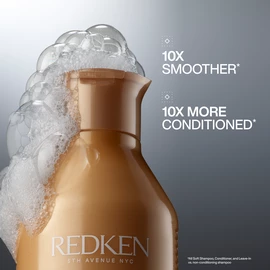
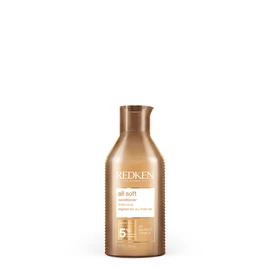
The All Soft range is designed for that kind of dryness, with All Soft Conditioner as a natural place to start. The conditioner has more contact time with the hair than a quick rinse, so it is also a good way to see whether adding moisture changes how your hair feels and behaves.
For hair that needs moisture throughout the day, All Soft Moisture Restore Leave-In Treatment extends that conditioning beyond the shower. Think of it as the step that stays with the hair after you leave the bathroom, when dryness, tangling, and static can start to show up again.
Give the system a little time to show you what is changing. Static may improve first, followed by easier detangling and a smoother feel. Shine can take longer because it depends on how evenly the surface reflects light. If consistent moisture care makes little difference after a few weeks, dryness may not be the main issue, and it is worth looking at what else could be affecting the hair.
Once you know what your hair needs, the next step is building those products into a routine that works for you: how often to wash, how long to leave conditioner on, and where a mask or oil fits in.
Dehydrated, dry, and damaged hair can have similar signs, but they require different types of care. Static, increased tangling, reduced shine, and changes in how the hair behaves when wet can help you identify what is going on. Hair that stretches easily and does not return to its original shape may indicate damage, while hair that feels rough or dry without a change in strength may need more moisture. Identifying the condition first makes it easier to choose the right products and treatment.
When to Book a Professional Consultation
Take it to a professional Redken hair stylist on a day when your hair is behaving badly, unwashed, and let them see it in that state. In person, where the roughness starts along the length, whether a wet strand springs back, how the ends compare to your color history, and how fast it dries are all easier to judge, and together they separate a fiber that will respond to water from one that has to grow out, which is the only decision that changes what you should buy.
Find a Redken salon near you to book a professional consultation.
Next: Building a Hydration Routine for Dry Hair. Once you know what your hair needs, this is where it turns into an actual routine: how often to wash, how long to leave conditioner on, and where a mask or oil fits in.
Frequently Asked Questions
Answers to Your Frequently Asked Questions
Can hair be dehydrated and damaged at the same time?
Does drinking more water fix dehydrated hair?
Is dehydrated hair the same as high porosity hair?
Can fine hair be dehydrated without ever feeling dry?
Does dehydrated hair need protein or moisture?
Discover Best Sellers
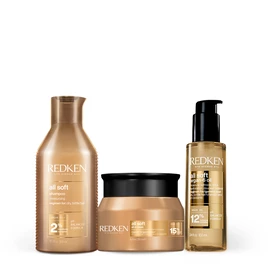
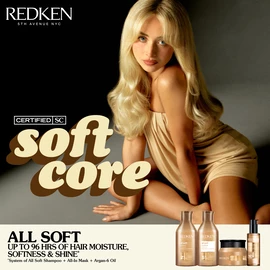
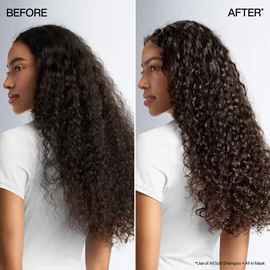
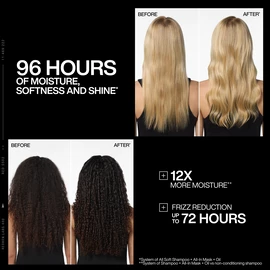
All Soft Deep Moisture Trio
Moisturizing Shampoo, Deep Conditioning Mask and Hydrating Argan-6 Oil for Dry, Brittle Hair
10% OFF WITH CODE BUNDLE10
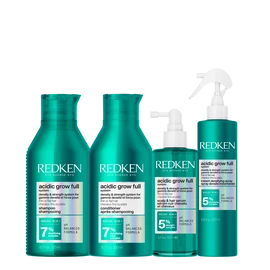
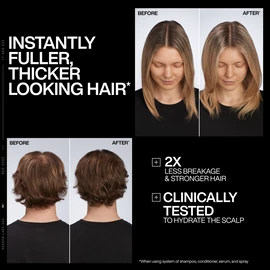
Acidic Grow Full System Bundle
Acidic Grow Full System Shampoo, Conditioner, Serum & Densifying Spray
10% OFF WITH CODE BUNDLE10
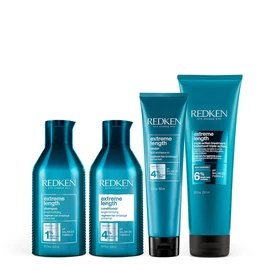
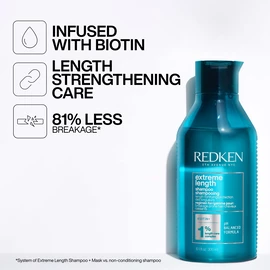
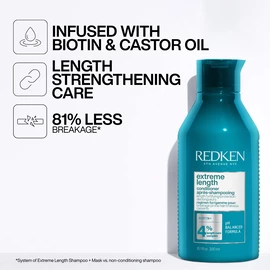
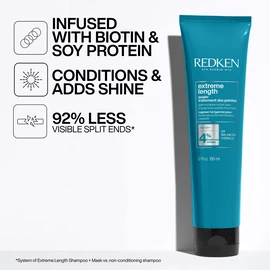
Extreme Length Set
Extreme Length Shampoo, Conditioner, Triple Action Treatment, Leave-In Treatment with Biotin
10% OFF WITH CODE BUNDLE10
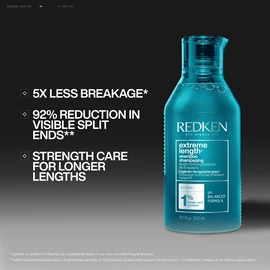
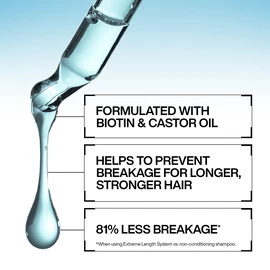
EXTREME LENGTH BIOTIN SHAMPOO
Enriched strengthening shampoo to promote longer hair
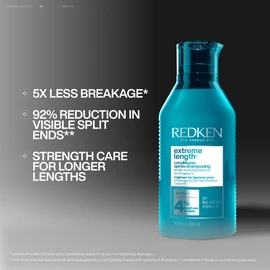
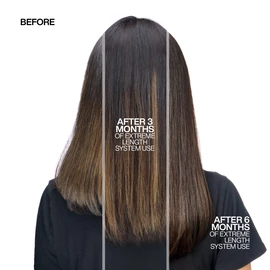
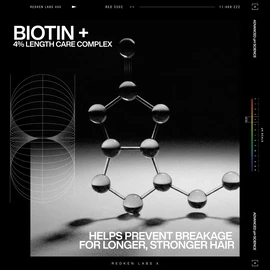
EXTREME LENGTH BIOTIN CONDITIONER
Enriched strengthening conditioner to promote longer hair
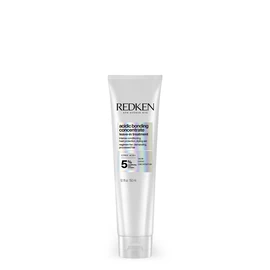
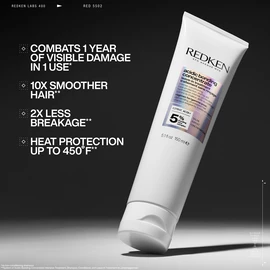
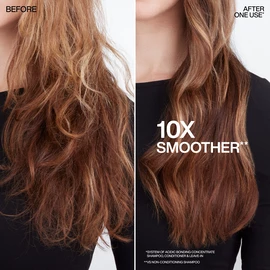
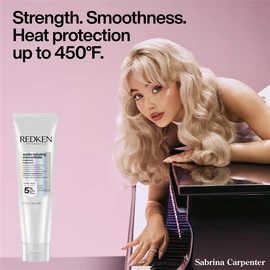
ACIDIC BONDING CONCENTRATE LEAVE-IN TREATMENT
Best-selling, sulfate-free leave-in treatment for strength repair in 1 use.
*Travel size excluded from promotions
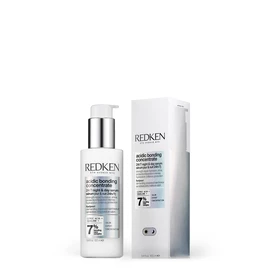
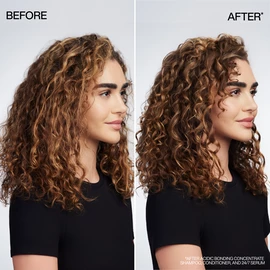
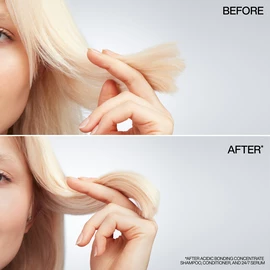
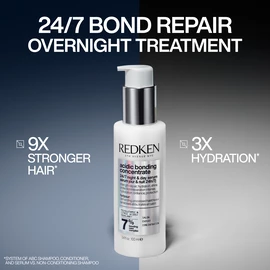
Acidic Bonding Concentrate 24/7 Night & Day Serum
Bond repair serum that combats daily damage overnight
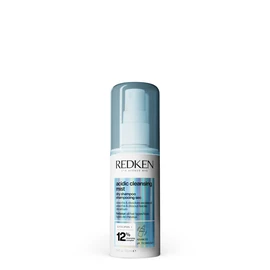
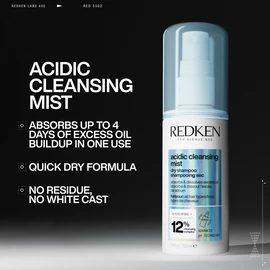
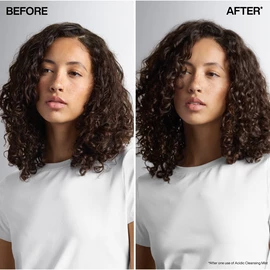
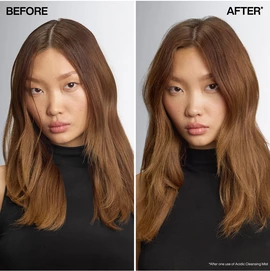
Acidic Cleansing Mist Dry Shampoo
Volumizing non-aerosol dry shampoo for oily hair & scalp