In this article:
- Is Your Hair Dry or Damaged?
- What Makes Hair Dry in the First Place?
- How Do You Build a Hydrating Routine for Dry Hair?
- Why Do Moisture Routines Stop Working?
Key Takeaways:
- Dry hair is a moisture deficit in which the cuticle cannot hold water, which shows up as roughness, dullness, and flyaways rather than as the snapping and stretching that signal structural damage.
- Moisture escapes faster than it can be replaced when the cuticle sits raised, so a hydrating routine has to both deliver water-binding ingredients and seal them in, and skipping the sealing step is why moisture routines commonly fail.
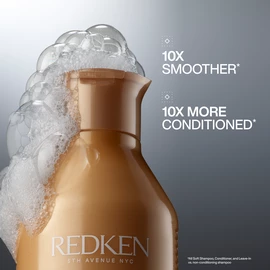
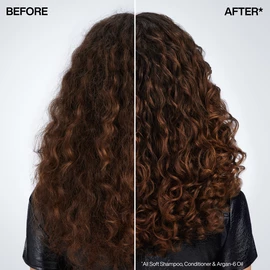
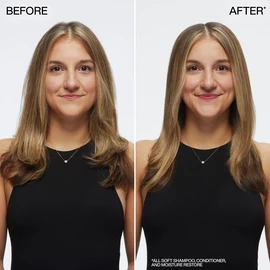
- The All Soft system is built around Argan Oil and Redken’s Moisture Complex, and the complete routine of shampoo, conditioner, and leave-in delivers 10x smoother hair with results held for up to 72 hours.
- Hyaluronic acid and argan oil do different jobs in the same routine, since hyaluronic acid attracts and binds water inside the fiber while argan oil closes the cuticle so that water cannot leave.
- Give a corrected routine two to three weeks before judging it, and if hair is snapping rather than only feeling rough, add bond repair instead of adding more moisture.
Quick Answer
To rehydrate dry, damaged hair, cleanse with an argan oil shampoo that moisturizes as it cleanses, condition mid-lengths to ends at every wash, swap in a deep mask once or twice weekly, then seal with a hyaluronic acid leave-in and a lightweight oil so the moisture you add stays in the fiber.
Dry hair and damaged hair get treated as the same problem, and they respond to different things. Moisture fixes hair that feels rough and drinks up conditioner. It does very little for hair that snaps. Knowing which one you are dealing with decides whether a hydrating routine works or wastes four weeks.
Is Your Hair Dry or Damaged?
Dry hair is hair that has lost moisture from the cuticle, while damaged hair has lost structural integrity inside the cortex, and the difference shows most clearly in how a wet strand behaves when stretched.
Run the stretch test on a single wet strand. Hair that extends slightly and springs back is dry rather than damaged, and moisture is the right answer. Hair that stretches well past its length without recovering, or snaps almost immediately, has structural damage, and moisture alone will not fix it.
The signals separate cleanly:
- Dry hair: feels rough or coarse, looks dull, frizzes easily, drinks up conditioner, tangles more than it breaks.
- Damaged hair: snaps during detangling, feels gummy when wet, fades color within days, shows short broken pieces at the crown.
Plenty of hair is both, particularly after lightening. When both apply, treat the structure first and layer moisture on top of it, because a fiber that cannot hold together also cannot hold water.
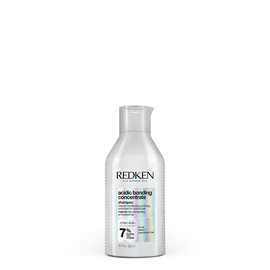
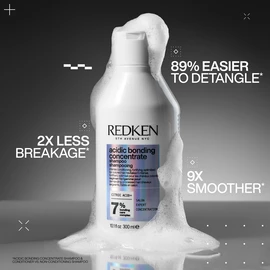
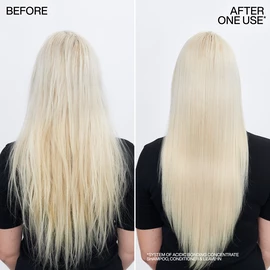
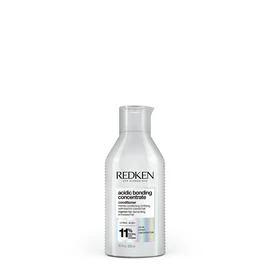
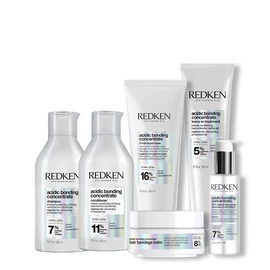
If the stretch test points to damage, start with the Acidic Bonding Concentrate Shampoo at the wash step and use the All Soft mask and oil for moisture around it.
What Makes Hair Dry in the First Place?
Hair becomes dry when the cuticle is lifted or depleted of lipids, which leaves the fiber unable to retain the water it absorbs.
Hair has no way to replenish moisture on its own. There are no blood vessels in the strand and no mechanism to draw water up from the scalp, so once moisture leaves it has to be put back topically. Everything that dries hair works by either lifting the cuticle or stripping the lipid layer that keeps the cuticle sealed.
The usual causes, in rough order of impact:
- Chemical processing. Color, lightening, relaxing, and perms all raise the pH to open the cuticle, and it does not always fully close afterward.
- Sulfate cleansing at high frequency. Harsh surfactants strip lipids along with oil and buildup.
- Heat styling without protection. Temperatures above 300°F vaporize internal moisture and stress the cuticle.
- Environment. Sun, wind, chlorine, salt water, and hard water minerals all degrade the cuticle over time.
- Mechanical friction. Rough towels, tight elastics, cotton pillowcases, and aggressive brushing lift cuticle scales.
- Long hair is drier at the ends by default, and that is not a failure of your routine. The ends are the oldest part of the fiber and have absorbed years of accumulated exposure, which is why targeted treatment at mid-lengths and ends outperforms whole-head application.
How Do You Build a Hydrating Routine for Dry Hair?
A hydrating routine for dry hair is a five-step sequence that cleanses gently, deposits moisture at the mid-lengths and ends, and then seals it in so the water stays inside the fiber between washes.
The order matters as much as the products, because a sealing step applied too early blocks everything that follows it.
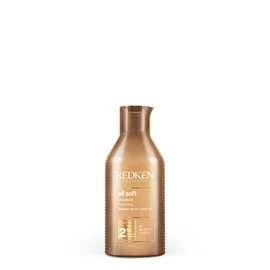
- Cleanse with a moisturizing shampoo. Start with All Soft Shampoo, which is formulated with Argan Oil and Redken’s Moisture Complex to cleanse dry, rough hair while replenishing moisture, so your hair leaves the wash softer rather than stripped. Apply at the scalp and let the rinse water carry suds through the lengths.
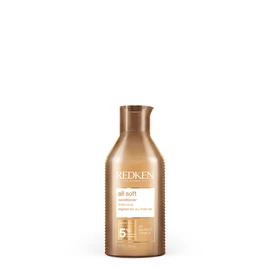
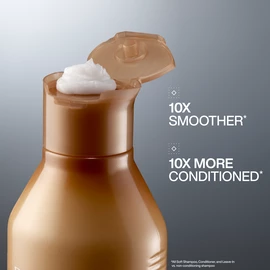
- Condition mid-lengths to ends. Follow with All Soft Conditioner, made with 5% Moisture Complex and Argan Oil. Apply from mid-lengths down, skip the scalp, and leave it for a minute before rinsing. Used as a system with the shampoo, it delivers 15x more conditioning*. *System of All Soft Shampoo and Conditioner vs. non-conditioning shampoo.
- Swap in a deep mask once or twice a week. On one or two washes a week, replace the conditioner with All Soft Heavy Cream Mask, which carries the highest concentration of Redken’s Moisture Complex with Argan Oil. Apply to towel-dried hair, leave for five minutes, then rinse thoroughly. Use it instead of conditioner rather than after it. If your hair needs repair alongside moisture, All Soft All-In Mask does both jobs in one step, which is the simpler choice when hair is dry and damaged at the same time.
- Seal with a hyaluronic acid leave-in. On damp, towel-dried hair, apply All Soft Moisture Restore Leave-In Treatment. It is powered by Hyaluronic Acid, which traps moisture molecules and seals the cuticle barrier at an acidic pH, so your hair holds hydration rather than losing it within hours. Hair feels moisturized for up to 72 hours**, with heat protection to 450°F built in. **Instrumental test, All Soft Moisture Restore Leave-In Treatment
- Seal with a lightweight oil. Work two to four drops of All Soft Argan-6 Oil through mid-lengths and ends on damp or dry hair. Its 12% Moisture Complex smooths the cuticle surface without weighing hair down, which is what keeps the moisture underneath it in place. The oil also delivers 13x more moisture*, 5x stronger hair*, and reduces the look of split ends up to 64%*. *Oil vs. non-conditioning shampoo.
For a fuller walkthrough of the range and which formats suit which hair, see our guide to the All Soft collection for soft, moisturized dry hair. Run the full sequence on mask days and the shorter version, steps one, two, four, and five, on the others.
Why Do Moisture Routines Stop Working?
Moisture routines stop working when moisture is being added without being sealed, when heavy products are creating buildup that blocks absorption, or when the underlying problem is structural rather than a moisture deficit.
The sealing step is missing
Water-based moisture evaporates. Without a leave-in and an oil to close the cuticle, hydration added in the shower is largely gone by the time the hair dries, which is why routines that stop at conditioner rarely hold.
Product is building up rather than absorbing
Heavy butters and rich creams sit on the surface of lower-porosity hair instead of penetrating it. The result feels coated and dry at the same time. Lighter, penetrating formulas outperform heavier ones here, and clarifying every few weeks resets the canvas so treatments can work.
The problem was never moisture
If hair still snaps after three weeks of correct hydration, the deficit is structural. Add bond repair at the wash step and keep the moisture routine layered around it rather than escalating to heavier moisture products.
Rehydrating dry hair is less about finding a richer product than about running the sequence completely. Cleanse gently, deposit moisture where the fiber is oldest, then seal it so it stays. Check the stretch test first so you know you are solving the right problem, give the corrected routine two to three weeks, and adjust based on whether hair is rough or actually breaking.
When to Book a Professional Consultation
To find out whether your hair needs moisture, bond repair, or both, schedule an appointment with a professional Redken hair stylist for a one-on-one consultation. Your stylist can assess porosity and elasticity in person and prescribe the All Soft routine, or the combination of moisture and bond care, that matches your hair’s condition.
Find a Redken salon near you to book a professional consultation.
Next: Hydrating vs Strengthening Masks: How to Pick the Right Redken Treatment for Your Hair. Getting it right makes the difference between a mask that transforms your texture and one that barely registers.
Discover Best Sellers
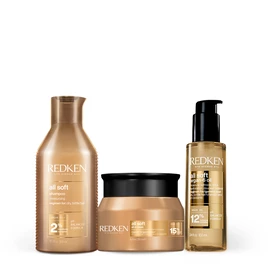
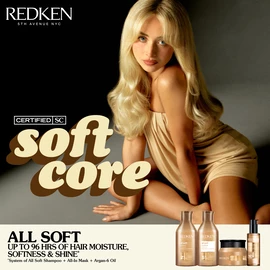
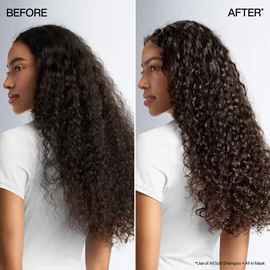
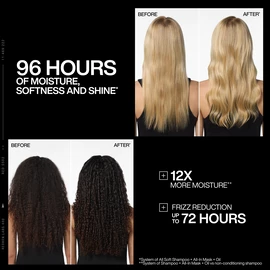
All Soft Deep Moisture Trio
Moisturizing Shampoo, Deep Conditioning Mask and Hydrating Argan-6 Oil for Dry, Brittle Hair
10% OFF WITH CODE BUNDLE10

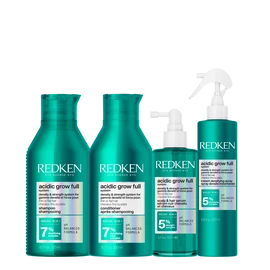
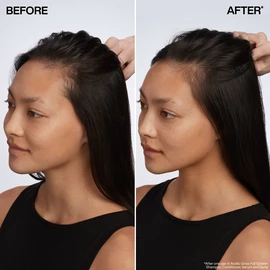
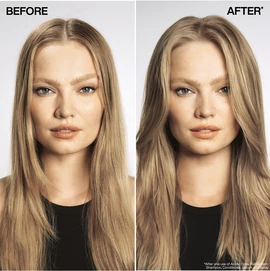
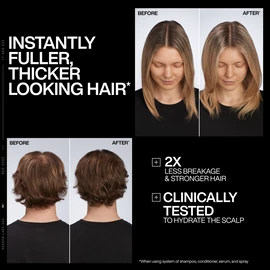
Acidic Grow Full System Bundle
Acidic Grow Full System Shampoo, Conditioner, Serum & Densifying Spray
10% OFF WITH CODE BUNDLE10
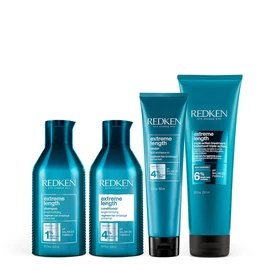
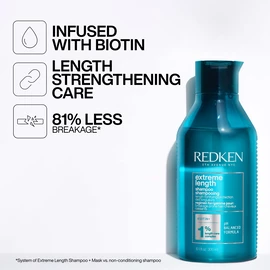
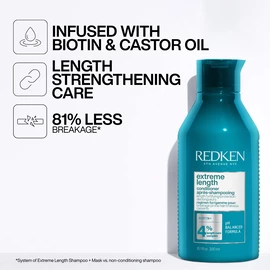
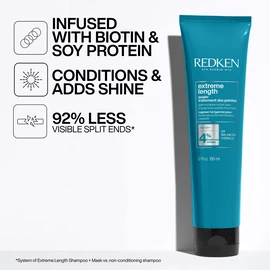
Extreme Length Set
Extreme Length Shampoo, Conditioner, Triple Action Treatment, Leave-In Treatment with Biotin
10% OFF WITH CODE BUNDLE10
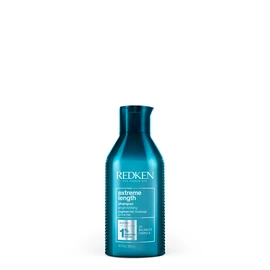
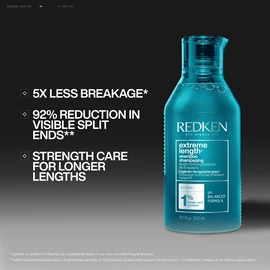
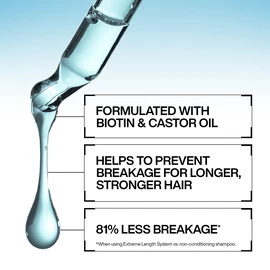
EXTREME LENGTH BIOTIN SHAMPOO
Enriched strengthening shampoo to promote longer hair
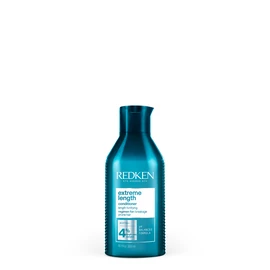
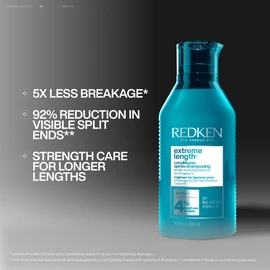
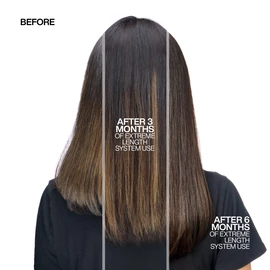
EXTREME LENGTH BIOTIN CONDITIONER
Enriched strengthening conditioner to promote longer hair
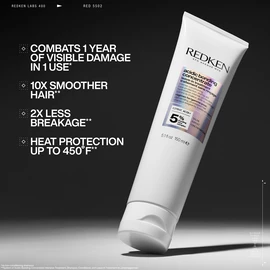
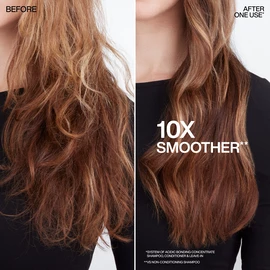
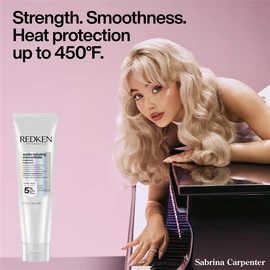
ACIDIC BONDING CONCENTRATE LEAVE-IN TREATMENT
Best-selling, sulfate-free leave-in treatment for strength repair in 1 use.
*Travel size excluded from promotions
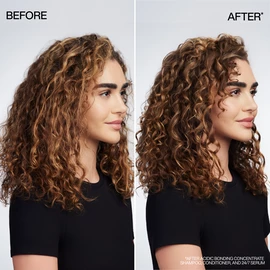
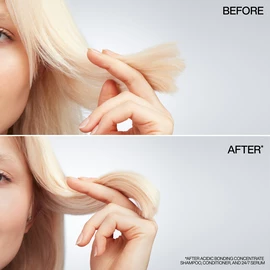
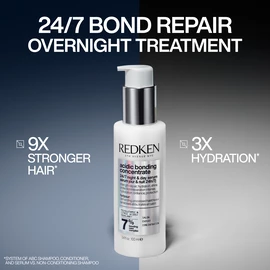
Acidic Bonding Concentrate 24/7 Night & Day Serum
Bond repair serum that combats daily damage overnight
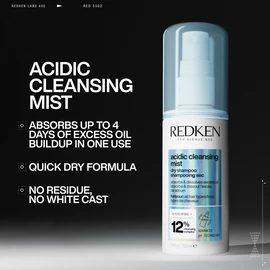
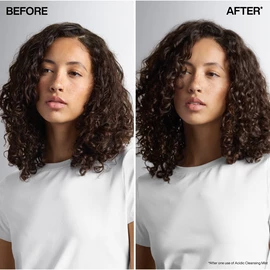
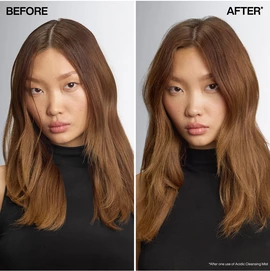
Acidic Cleansing Mist Dry Shampoo
Volumizing non-aerosol dry shampoo for oily hair & scalp