.webp?sw=50&sfrm=jpg&q=90)
We all dream of hair that’s soft, bouncy, and radiant. Often, the secret to achieving this hair ideal lies in one crucial factor: hydration. But what exactly is hydrated hair, and how does it differ from simply "moisturized" hair? More importantly, how can you unlock its potential for your own locks? At Redken, we believe in the science of healthy hair, and that starts with understanding its fundamental needs. Let's dive deep into the world of hair hydration, guided by our expert stylists and cutting-edge formulations.
THE FUNDAMENTAL DIFFERENCE: DEHYDRATED VS. DRY HAIR
It's common to use the terms "dry" and "dehydrated" interchangeably when describing hair, but they actually refer to distinct conditions with different causes and solutions. Understanding this difference is your first step toward truly healthy, vibrant hair.
Dehydrated Hair: A Thirst for Water
Think of dehydrated hair as being thirsty. It lacks water content, leading to a host of noticeable symptoms. Your hair strands might feel rough to the touch, appear dull, and lack natural bounce. You might experience dehydrated strands that feel brittle, even if they don't break easily. Often, hair can feel dry after the wash process, quickly losing its soft feel. A common tell-tale sign is dull hair that lacks natural shine or flat hair that struggles to hold any style. Interestingly, some people with dehydrated hair might also experience a greasy scalp as their scalp overproduces oils to compensate for the lack of moisture. This condition also impacts moisture retention, making it hard for your hair to hold onto any water it does get.
Causes of Dehydrated Hair:
Dry Hair: A Lack of Natural Oils
Dry hair, on the other hand, is characterized by a lack of natural oils (sebum) on the scalp and hair shaft. These natural oils are crucial for sealing the cuticle and preventing moisture loss, providing elasticity, and protecting the hair. When hair lacks these oils, the cuticle can become raised, leading to hair that is prone to breakage, feels brittle, and easily develops split ends and flyaways.
Causes of Dry Hair:
HYDRATION SOLUTIONS AND YOUR HAIR CARE ROUTINE
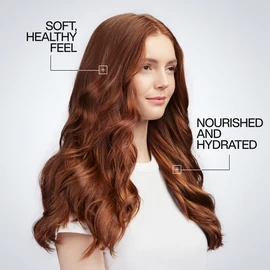
The right haircare routine is key to transform dry hair into soft and hydrated hair.
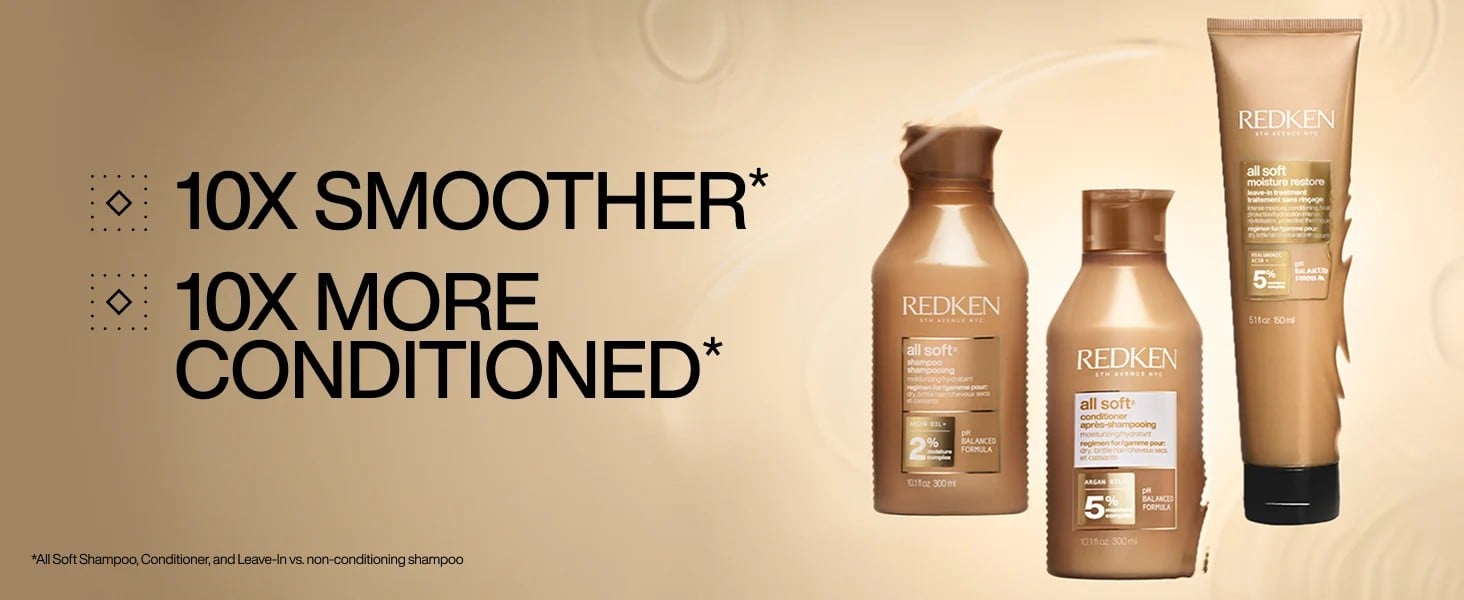
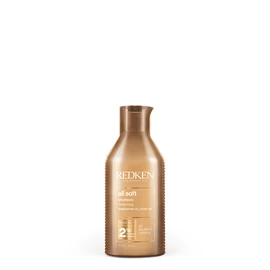
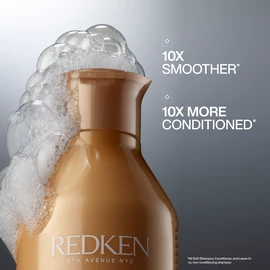
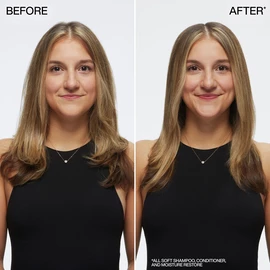
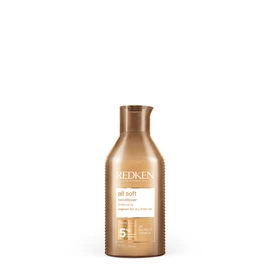
“THE KEY TO FIGHTING DRY HAIR IS A GOOD HAIR CARE ROUTINE. I RECOMMEND A DAILY SHAMPOO AND CONDITIONER THAT HAS MOISTURIZING BENEFITS, SUCH AS REDKEN’S ALL SOFT LINE. THE All Soft Shampoo is specifically designed to cleanse, restore and soften dry, brittle hair. The All Soft Conditioner detangles, conditions AND SOFTENS HAIR.” - Rodney Cutler, Celebrity Stylist, Redken Global Brand Ambassador.
The Power of a Hydrating Hair Care System
The foundation of a truly hydrating routine starts in the shower. Look for a hydrating shampoo and hydrating conditioner specifically formulated to replenish moisture. These products are often enriched with humectants like hyaluronic acid, which can hold up to 1,000 times its weight in water, drawing moisture into the hair shaft.
Deep Conditioning Treatments: A Weekly Boost
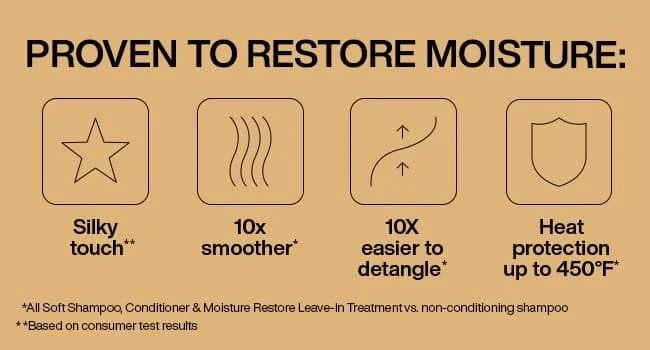
For intense hydration, a deep conditioning treatment or mask is critical. These products penetrate deeper into the hair shaft, delivering concentrated ingredients to significantly improve elasticity, softness, and shine. Incorporate a deep conditioner into your routine 1-2 times a week.
Leave-In Essentials: All-Day Hydration
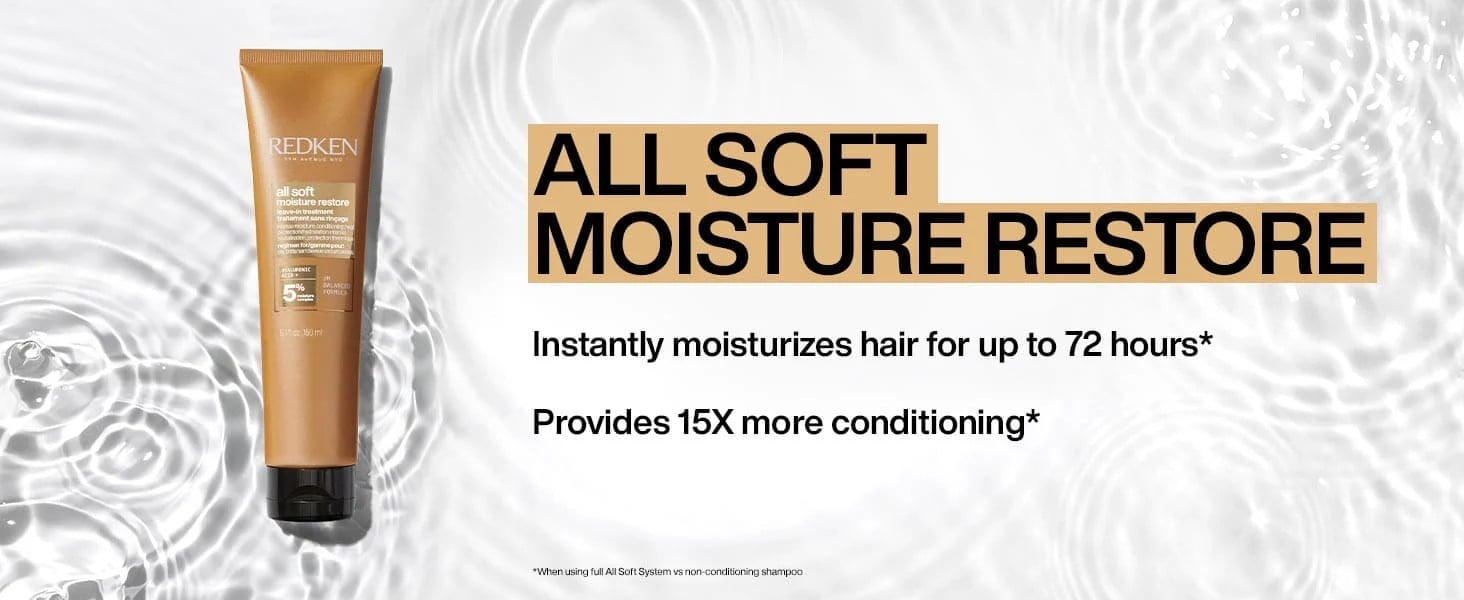
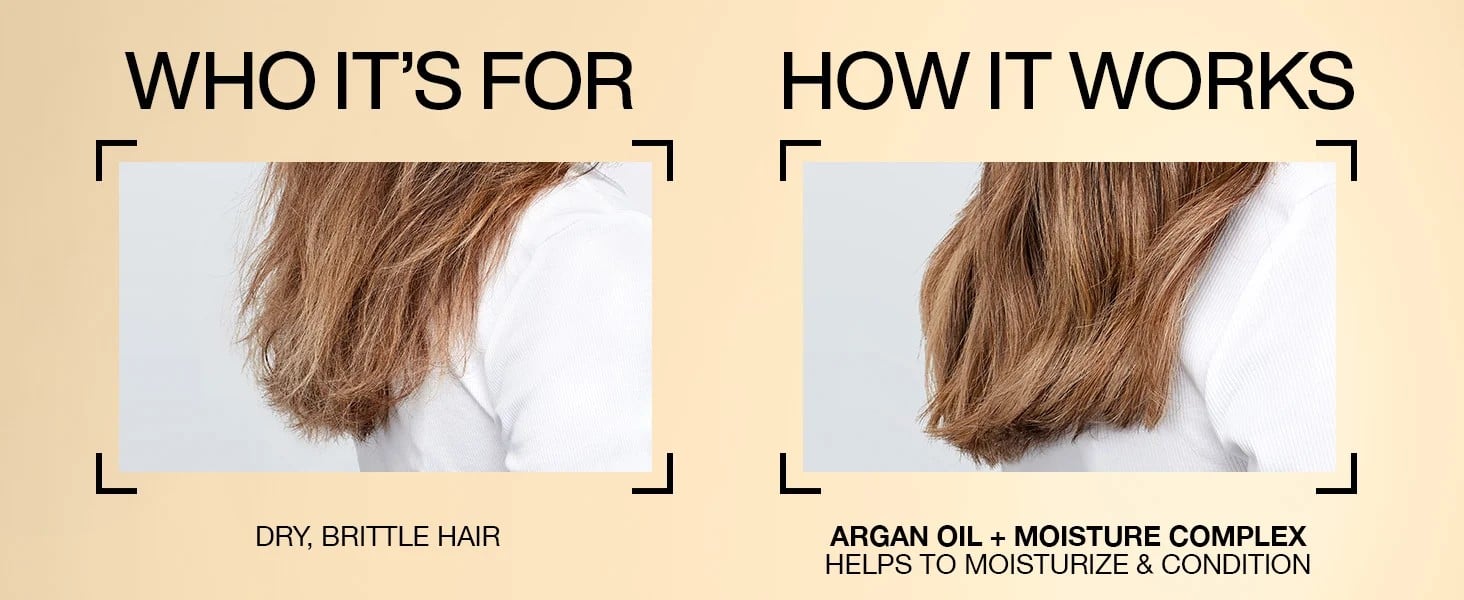
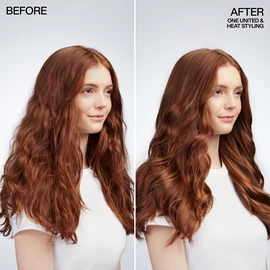
Don't stop your hydration efforts after you rinse. Leave-in conditioners and hydrating serums provide continuous moisture, protect against environmental aggressors, and can add incredible hair shine and manageability. Look for formulas that deliver powerful hydration without weighing down your hair.
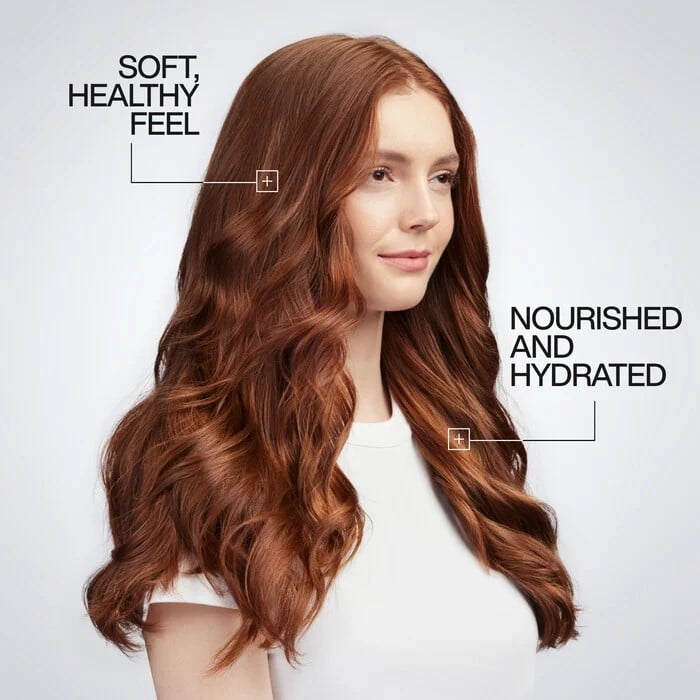
Specialized Hydration for Curly Hair
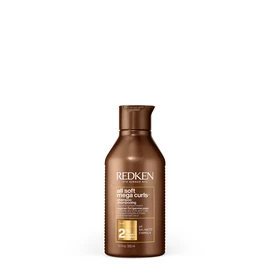
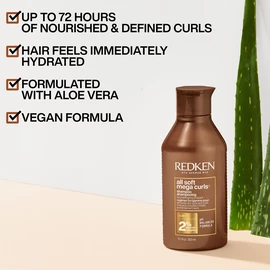
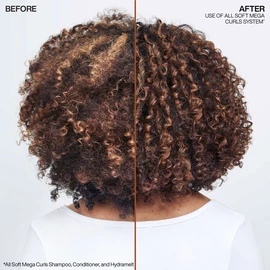
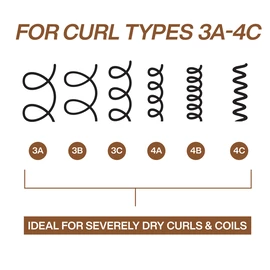
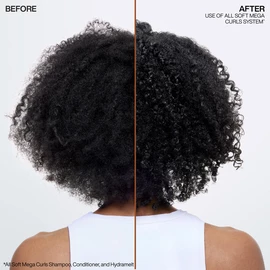
Curly and coily hair types tend to be drier due to the structure of the hair strand, which makes it harder for natural oils to travel down the shaft. This necessitates extra attention to hydration. For those with waves, curls, or coils seeking intense moisture and definition without crunch, Redken's All Soft Mega Curls line is a game-changer. Formulated with our Nourish Complex and Aloe Vera, this system provides intense hydration, improves manageability, and enhances the natural pattern of your curls. It's designed to deliver up to 72 hours of frizz control and visibly healthier, shinier, and softer curls.
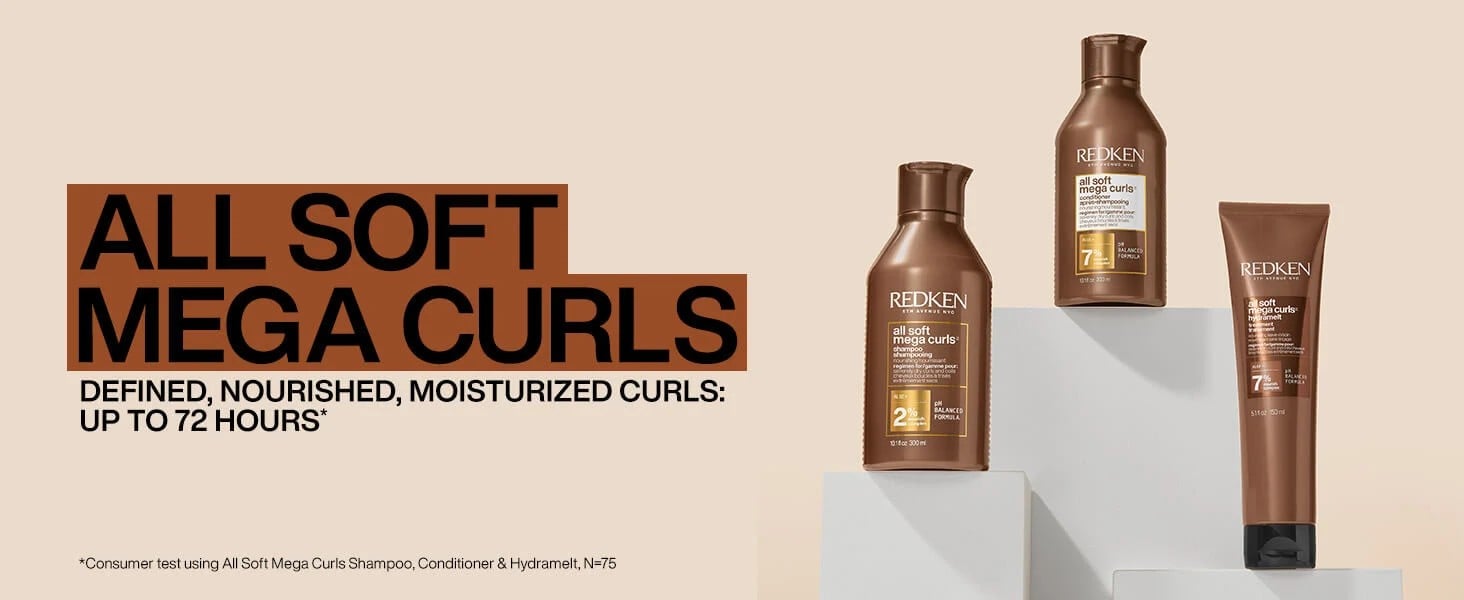
WHICH ALL SOFT IS RIGHT FOR YOU?

SHOP ALL SOFT MEGA CURLS >
Hydrating Mists: A Quick Refresh
Throughout the day, a hydrating mist can offer a quick refresh, especially for those with curly or textured hair that needs frequent moisture boosts. These lightweight sprays help revive your hair's bounce and prevent it from feeling dry and dull.
PROTECTIVE MEASURES FOR MAINTAINING HYDRATED HAIR
Achieving hydrated hair is one thing; maintaining it is another. Protecting your strands from moisture loss requires consistent effort and smart habits.
Minimize Heat Styling and Use Heat Protectant
Heat is a major culprit for both dry and dehydrated hair. Excessive use of blow dryers, flat irons, and curling wands can cause breakage, split ends, and deplete your hair's internal moisture. When you must use heat, always apply a high-quality heat protectant first. Opt for heat-free hairstyles whenever possible.
Nighttime Care for Deep Hydration
Your pillowcase can actually impact your hair's hydration levels. Cotton pillowcases can absorb moisture from your hair and create friction, leading to breakage and frizz. Switching to a satin scarf or silk pillowcase can make a significant difference, allowing your hair to glide smoothly and retain its natural oils and moisture. This promotes deep hydration overnight.
Be Mindful of Over-Processing
Chemical treatments like relaxers, perms, or frequent coloring can lead to over-processing, severely damaging the hair's cuticle and making it difficult to retain moisture. If you frequently undergo chemical services, consult with your stylist about bond-strengthening treatments and adjust your at-home routine to include intensive reparative products.
"Protecting your hair is as important as treating it," advises Redken Global Artist, Jenny Smith. "Simple changes like using a silk pillowcase or a good heat protectant can preserve your hard-earned hydration."
SIGNS OF DEHYDRATED HAIR
Knowing the difference between dry and dehydrated hair is crucial, but how do you know if your hair specifically needs more water? Here are the key indicators:
If you're noticing these signs, your hair is signaling a strong need for hydration!
FREQUENTLY ASKED QUESTIONS ABOUT HAIR HYDRATION
How do I make my hair hydrated?
To make your hair hydrated, focus on a routine that infuses water into the hair shaft. Use hydrating shampoos and conditioners, incorporate weekly deep conditioning treatments, apply leave-in conditioners and hydrating serums, and consider a hydrating mist for daily touch-ups. Ensure you're also drinking plenty of water for overall body hydration.
How can I hydrate my hair quickly?
For a quick hydration boost, apply a rich leave-in conditioner or a hydrating hair mask. Let the mask sit for at least 15-20 minutes (or even longer if recommended) before rinsing. A hydrating mist can also provide an immediate, albeit temporary, surge of moisture. Rehydrating hair involves a consistent routine: Hydrating Wash System: Use a shampoo and conditioner designed for hydration. Deep Condition: Apply a hydrating mask 1-2 times a week. Leave-in Products: Use a leave-in conditioner or serum daily. Protect: Minimize heat styling and use heat protectants. Internal Hydration: Drink plenty of water.
What hydrates hair the most?
Products containing humectants like hyaluronic acid, glycerin, and aloe vera are highly effective at drawing and holding moisture in the hair. Deep conditioning treatments and leave-in serums with these ingredients tend to be the most hydrating.
How do you fix dry hair ASAP?
For an immediate fix for dry hair, apply a generous amount of a rich, moisturizing hair oil or a leave-in cream. Focus on the mid-lengths and ends. This will temporarily smooth the cuticle and add shine, but for long-term improvement, a consistent hydrating routine is necessary.
How do I tell if my hair is lacking moisture?
Signs your hair is lacking moisture include a rough texture, dull appearance, excessive frizz, lack of elasticity (snaps instead of stretching), and hair that feels dry shortly after washing.
What's the best thing for extremely dry hair?
For extremely dry hair, a multi-pronged approach is best: Redken All Soft Collection and regimen. Rich Hair Masks: Use intensive weekly masks. Hair Oils: Incorporate nourishing oils like argan or coconut oil before washing. Minimize Damage: Avoid excessive heat, harsh chemicals, and over-washing.
What vitamin are you lacking if your hair is dry?
While hair dryness isn't always linked to a specific vitamin deficiency, some nutrients are crucial for hair health. Biotin (Vitamin B7), Vitamin A, Vitamin E, and Omega-3 fatty acids all play roles in maintaining healthy hair and scalp, which can impact moisture levels. If you suspect a deficiency, consult a healthcare professional.
Is hair cream better than hair oil for dry hair?
Both hair creams and hair oils serve different purposes and can be beneficial for dry hair. Hair Creams: Often water-based, they provide hydration and moisture, helping to soften and define hair. They're great for infusing water into dehydrated strands. Hair Oils: Tend to be lipid-based, sealing in moisture, adding shine, and protecting the hair from environmental damage. They're excellent for lubricating dry hair and smoothing the cuticle. Often, using both, a cream for moisture and an oil for sealing, can provide the best results, especially for extremely dry hair.
How do I know if my hair is dehydrated?
Perform the "stretch test": take a wet strand of hair and gently stretch it. If it snaps quickly, it's likely dehydrated and lacking elasticity. If it stretches a lot and doesn't return, it might be over-moisturized. If it stretches and returns, it's balanced. Also, look for dullness, frizz, and a rough texture. Dehydrated hair typically looks dull, lacks shine, appears frizzy, and can feel rough or coarse. It may also look limp or flat and struggle to hold a style.
What are signs of dehydrated hair?
Signs of dehydrated hair include rough texture, dullness, frizz, lack of elasticity, hair feeling dry immediately after washing, individual strands appearing thin or fragile, and sometimes a greasy scalp attempting to compensate for lack of moisture.
How to fix dry, dehydrated hair?
To fix both dry and dehydrated hair, you need a comprehensive approach: Hydrate: Use water-based hydrating products (shampoos, conditioners, masks, leave-ins) with humectants. Nourish: Incorporate nourishing oils and rich moisturizing creams to replenish lipids. Protect: Minimize heat, chemicals, and mechanical damage. Seal: Use styling products that help seal the cuticle and lock in moisture. Internal Health: Drink water and maintain a balanced diet.
What happens to your hair when you're dehydrated?
When you're dehydrated, your body prioritizes vital organs, and less water is supplied to non-essential parts like hair. This can lead to your hair becoming dull, brittle, less elastic, and prone to breakage due to a lack of internal moisture.
How do I tell if my hair needs moisture or hydration?
Hydration (needs water): Hair feels rough, brittle, dull, frizzy, snaps easily when stretched wet. Your scalp might also feel itchy and dry. Moisture (needs oils/emollients): Hair feels coarse, looks dull, has split ends, and appears generally dry. It might also be prone to static and tangles easily.
What is the difference between moisturizing and hydrating your hair?
Hydrating means infusing water into the hair shaft, typically with humectants (e.g., hyaluronic acid, glycerin) that attract and hold water. Moisturizing means sealing in that water and providing emollients (oils, butters) to lubricate the hair, smooth the cuticle, and prevent moisture loss. Think of it this way: hydrating is like giving your hair a drink of water, and moisturizing is like applying a lip balm to keep that water from evaporating.
Does frizzy hair need moisture or hydration?
Frizzy hair typically needs both! Frizz is often a sign of a raised cuticle trying to absorb moisture from the air, which can indicate a lack of internal hydration. Additionally, a lack of natural oils or emollients to smooth and seal the cuticle can exacerbate frizz. A balance of hydrating ingredients and moisturizing agents will help tame frizz.
What does over-moisturized hair look like?
Over-moisturized hair (also known as hygral fatigue) can feel overly soft, mushy, limp, and lack elasticity. It may appear dull, lose its curl pattern (for curly hair), and break easily due to an imbalance where the hair has too much moisture and not enough protein/strength.
SHOP OUR HYDRATED HAIR FAVORITES
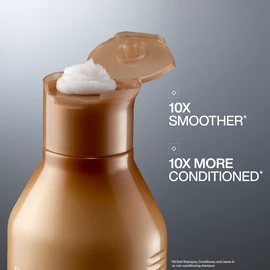
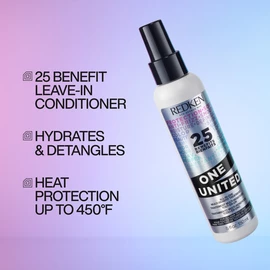
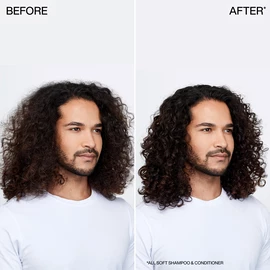
All Soft United Set
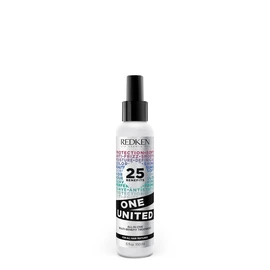
All Soft Shampoo, Conditioner and One United
10% OFF WITH CODE BUNDLE10
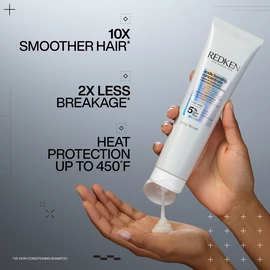
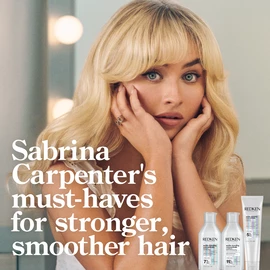
Must-Have Treatment Set
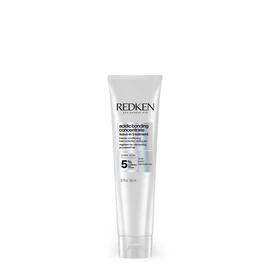
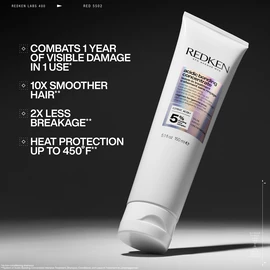
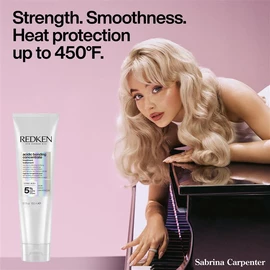
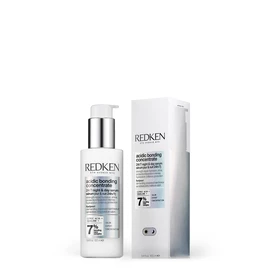
One United, Acidic Bonding Concentrate Leave-In Treatment & All Soft Moisture Restore Leave-In Treatment
10% OFF WITH CODE BUNDLE10
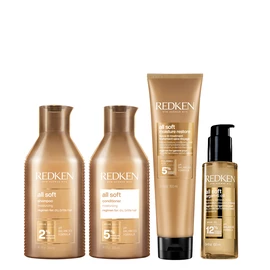
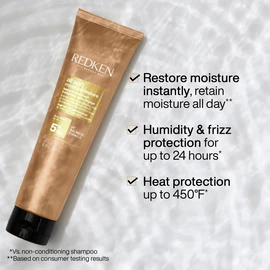
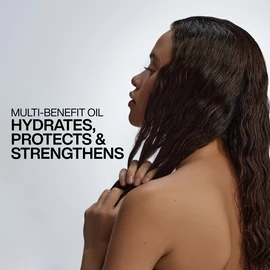
All Soft Set
All Soft Shampoo, Conditioner, Moisture Restore Leave-In Treatment & Argan-6 Hair Oil
10% OFF WITH CODE BUNDLE10
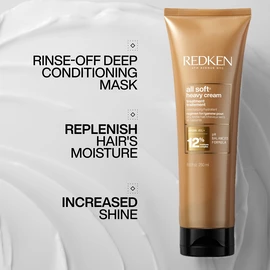
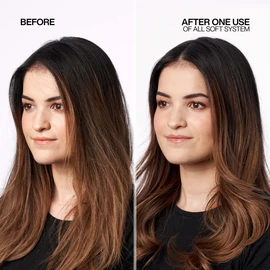
ALL SOFT HEAVY CREAM MASK
Deep moisturizing rinse-out mask to transform dry hair
.webp?sw=270&sfrm=jpg&q=90)
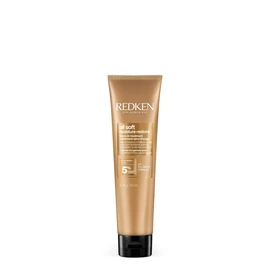
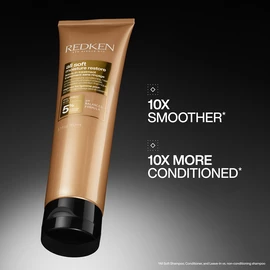
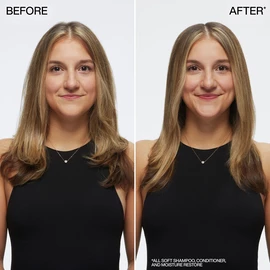
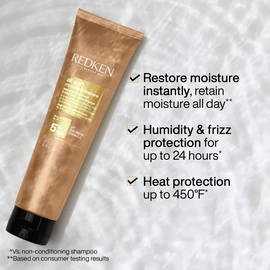
ALL SOFT MOISTURE RESTORE LEAVE-IN TREATMENT
Leave-in treatment for long-lasting moisture
ALL SOFT MEGA CURLS SHAMPOO
Intense hydrating shampoo for curly and coily hair.
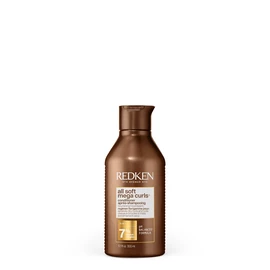
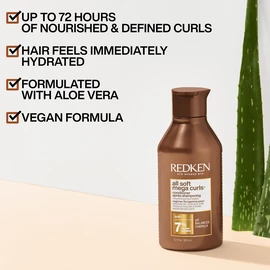
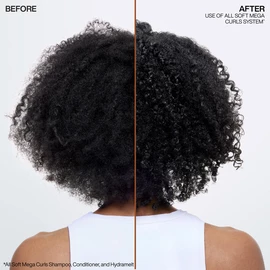
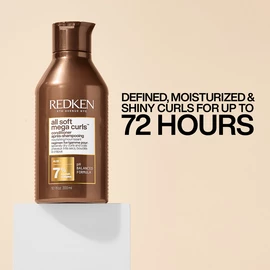
ALL SOFT MEGA CURLS CONDITIONER
Intense hydrating conditioner for curly and coily hair
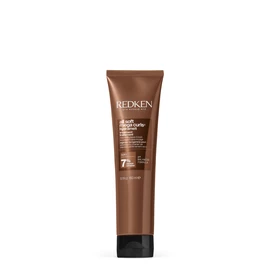
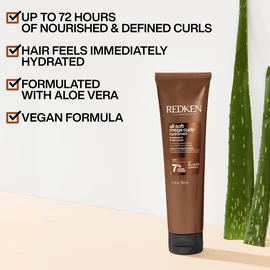
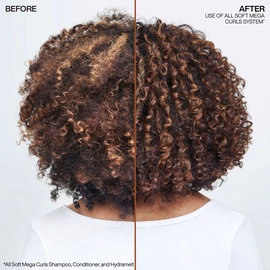
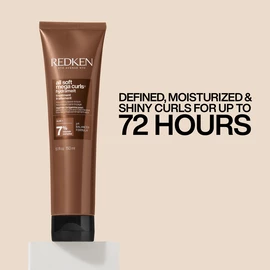
ALL SOFT MEGA CURLS HYDRAMELT
Intense hydrating leave-in conditioner for curly and coily hair
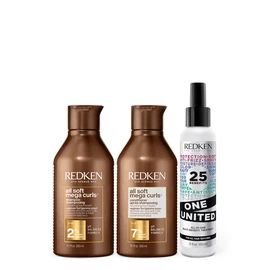
Mega Curls United Set
All Soft Mega Curls Shampoo, Conditioner, and One United
10% OFF WITH CODE BUNDLE10
TAKE THE HAIR QUIZ TO FIND THE RIGHT PRODUCT FOR YOU



.webp?sw=270&sfrm=jpg&q=90)