In this article:
- What Counts as Damaged Hair?
- What Are Split Ends, and Why Can't They Be Fixed?
- How Can You Tell the Difference Between Damage and Just Needing a Trim?
- When Does a Trim Solve the Problem, and When Does It Not?
- Can You Treat Damaged Hair Without Cutting It?
Key Takeaways:
- Worn or split ends are different from structural damage that extends further up the hair strand, with roughness, brittleness, breakage, and changes in texture helping show where damage is concentrated.
- Split ends cannot be permanently repaired because the cuticle has already frayed at the tip of the strand, making trimming the way to remove the split section.
- Cumulative brushing, washing, styling, chemical processing, and heat exposure can contribute to wear at the ends and damage through the mid-lengths.
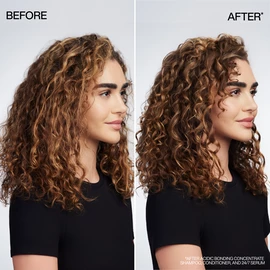
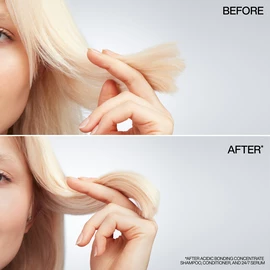
- Trimming removes split or compromised ends, while weakened but intact hair further up the strand can be supported with targeted care such as Redken Acidic Bonding Concentrate.
- The difference between hair that is damaged and hair that is simply overdue for a trim, based on the location and appearance of split ends, breakage, roughness, and other signs of wear.
Quick Answer
Split ends are frayed, worn cuticle at the very tip of the strand, and a trim removes them completely. Structural damage can extend further up the hair, where the focus shifts to reinforcing and conditioning the weakened strand rather than cutting it away.
Rough, dull hair does not always mean the same thing. If the issue is limited to split or frayed ends, a trim can remove the damaged section. If the hair feels rough, brittle or weak further up the strand, the concern may extend beyond the ends. Knowing where the damage sits helps you determine whether you need a trim, a change in care, or both.
What Counts as Damaged Hair?
Damaged hair is not always damaged only at the ends. Structural damage can affect the cuticle and cortex further up the strand, weakening the hair's strength and elasticity. Chemical services, repeated heat styling and friction can all contribute to this type of damage.
The ends are the oldest part of the hair, so they naturally experience the most wear from brushing, washing and styling. That is why split and frayed ends are common even when the rest of the hair is in good condition. Structural damage is different because it can affect the mid-lengths and other areas that have been exposed to chemical processing or repeated heat.
Where the damage appears matters. If roughness and fraying are limited to the ends, a trim may be enough to remove the compromised hair. If the hair feels weak, brittle or less elastic through the mid-lengths, cutting the ends alone will not address the damage further up the strand. That is where a targeted care routine can help condition and reinforce weakened hair.
What Are Split Ends, and Why Can't They Be Fixed?
Split ends form when the cuticle at the tip of the strand becomes worn and begins to fray. Once the strand has split, no product can permanently join it back together. Conditioners and treatments can smooth the hair and make split ends less noticeable, but they do not remove the split.
Without a trim, a split can continue to travel farther up the strand as the hair is brushed, washed and styled. That can lead to more fraying and breakage over time. Cutting off the split end is the only way to remove the damaged section completely.
How Can You Tell the Difference Between Damage and Just Needing a Trim?
Look at where the change appears and how the hair feels. These three signs can help you determine whether you're mainly seeing worn ends or damage that extends further up the strand.
- Where the roughness appears. If roughness, dullness or fraying is limited to the ends while the mid-lengths still feel smooth and strong, the issue may be ordinary end wear that a trim can address. If the hair feels rough, brittle or weak through the mid-lengths, especially after coloring, lightening or frequent heat styling, the damage may extend beyond the ends.
- How the hair feels when wet. Severely weakened hair can feel unusually stretchy or gummy when wet and may not return to its normal shape as it dries. Hair with split ends alone will generally feel more normal through the lengths, with roughness or fraying concentrated at the tips. These are useful signs to notice, but they are not a formal test for hair damage.
- How the hair responds to detangling. Hair with weakened structure may feel more difficult to detangle through the lengths, with repeated catching or resistance even after obvious knots have been removed. If the snagging is limited to the ends or individual knots, the issue may be more consistent with tangling or worn ends. Use a wide-tooth comb or detangling brush suited to your hair type and avoid pulling through resistance.
Together, these signs can help you decide whether a trim is likely to address the problem or whether the hair needs more targeted care for damage further up the strand.
When Does a Trim Solve the Problem, and When Does It Not?
A trim can address damage that's limited to the ends, including split ends and frayed tips. Removing the compromised section eliminates the visible split and leaves healthier hair behind.
A trim cannot address damage further up the strand. If chemical services or repeated heat styling have weakened the hair through the mid-lengths, cutting the ends will not change that weakened structure. A trim can still remove the most worn ends, while a targeted routine such as Redken Acidic Bonding Concentrate can help condition and reinforce hair that's weakened but still intact.
Can You Treat Damaged Hair Without Cutting It?
Dry hair feels different at the first wash and behaves differently by about the fourth week, because softness is a surface effect that arrives at once, while the marker worth waiting for, hair still soft on day three, only shows up after a month of repetition.
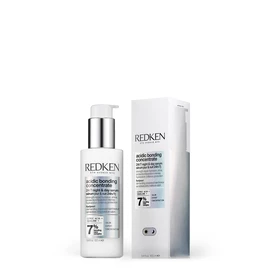
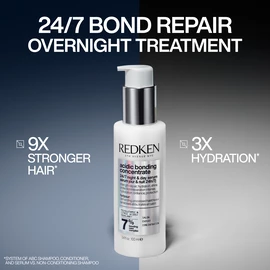
- Prep with Acidic Bonding Concentrate Intensive Treatment. It's a sulfate-free, bonding pre-treatment for stronger hair in 1 use, applied to wet hair before shampooing.
- Cleanse with Acidic Bonding Concentrate Shampoo. The sulfate-free shampoo works at a molecular level, penetrating the cuticle to capture metal ions, reinforce weakened bonds, and improve hair strength.
- Condition with Acidic Bonding Concentrate Conditioner. Follow shampoo with the conditioner for intense conditioning and color-fade protection through the lengths.
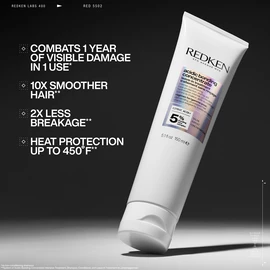
- Swap in Acidic Bonding Concentrate 5-Min Liquid Mask once a week. Formulated with a 16% Conditioning Care Complex for 72 hours of ultra-hydration. For severely damaged hair, use the mask in place of the conditioner. Apply from mid-lengths to ends, leave on for five minutes, then rinse.
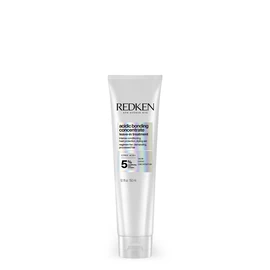
- Add Acidic Bonding Concentrate Leave-In Treatment. Apply to clean, damp hair as the final care step. It provides conditioning and heat protection up to 450°F when used as directed.
A bonding routine and a trim serve different purposes. A trim removes split or compromised ends, while targeted care helps condition and reinforce hair that is weakened but still intact. For severely damaged hair, both can have a place in the same routine: trim the ends that need to come off and use targeted care on the hair you're keeping.
When to Book a Professional Consultation
Some situations are easier to assess with a stylist looking at the hair directly. Consider a professional consultation if you can't tell whether the roughness is limited to the ends or extends further up the strand, if breakage continues above where you've trimmed, or if the hair feels unusually stretchy or gummy when wet. A stylist can also help you determine whether your hair would benefit from a bond-building routine, a more significant cut, or both.
Find a Redken salon near you to book a professional consultation.
Next: Dehydrated Hair: The Signs Most People Miss. If the softness here doesn't hold, or you're not sure dryness was ever the right diagnosis, this is the checklist that tells dehydrated, dry and damaged apart.