In this article:
- What Does Chlorine Actually Do to Your Hair?
- Is Salt Water Bad for Your Hair?
- Why Does Blonde Hair Turn Green in a Pool?
- How Do You Protect Your Hair Before Swimming?
- How Do You Repair Hair After a Summer of Swimming?
Key Takeaways:
- Chlorine is an oxidizer. It removes the thin lipid layer coating the cuticle, leaving hair rough, porous, and prone to tangling.
- Salt water dehydrates instead of oxidizing. Seawater pulls moisture out of the fiber by osmosis, then leaves crystals behind that keep pulling.
- Green hair is copper, not chlorine. Chlorine oxidizes copper dissolved in the water, and the oxidized metal binds to porous hair and reads green.
- Soaking your hair with clean tap water before you get in is the most effective free thing you can do, since saturated hair absorbs less pool water.
- Recovery is a sequence, not a single product: clear the residue, reinforce the fiber with bond chemistry, then put the moisture back and keep it there.
QUICK ANSWER
Chlorine oxidizes the lipid layer that keeps your cuticle sealed while salt water pulls moisture out of the fiber by osmosis, so summer recovery means rinsing before and after you swim and then restoring moisture and conditioning the hair.
By the end of summer, your hair can show exactly how much time you’ve spent in the water. Pool days can leave it rough and dry. Beach days can mean knots, grit, and a dry, straw-like texture. And if your hair is blonde, you may even notice a green tint through the hair.
Summer swimming can leave hair feeling like it has been through a lot, because it has. Chlorine and salt water affect hair in different ways, and knowing which one you’re dealing with makes the recovery plan a lot simpler.
What Does Chlorine Actually Do to Your Hair?
Chlorine is an oxidizing disinfectant dissolved in pool water, and it treats your hair the way it treats everything else in the pool: it reacts with organic material and breaks it down. The first thing to go is the thin lipid layer coating the cuticle.
Think of that layer as your hair’s built-in slip. It helps keep the cuticle smooth, hair water-repellent, and strands sliding past each other instead of catching. Strip it away, and the difference is pretty obvious: hair feels squeaky in the shower, rough once it dries, and more difficult to detangle.
The reaction does not stop at the surface. Prolonged exposure can also oxidize sulfur bonds inside the fiber, weakening the internal structure. One afternoon in the pool is not the problem. A summer of repeated exposure is.
Your ends are the oldest, most weathered part of the hair, so by late summer they have already experienced months of washing, brushing, heat styling, and environmental exposure before chlorine adds more stress.
Hot tubs can be especially rough on hair because heat can lift the cuticle and make it easier for chlorine to interact with the fiber. If your hair is lightened or color-treated, it starts with a disadvantage: a more porous cuticle gives chlorine and other waterborne substances more opportunity to get in.
Is Salt Water Bad for Your Hair?
Salt water can leave hair drier, rougher, and more prone to tangling.
If chlorine is busy oxidizing the hair fiber, salt water is more like leaving your hair thirsty. Seawater contains a higher concentration of dissolved salt than the water inside your hair, so it pulls moisture out of the strand by osmosis while your hair is wet.
That is why salt water can leave hair feeling dry, rough, and less flexible. Your strands are essentially trying to hold on to whatever moisture they have left while the salt water keeps asking for more.
As salt water evaporates, salt crystals remain on the hair. Sand can increase friction against the cuticle, while wet hair is more prone to stretching and breakage. Together, these factors can contribute to tangling, roughness, and damage.
That gritty, matte, impossible-to-comb-through feeling? Your hair is thirsty, and it's giving you the memo.
Why Does Blonde Hair Turn Green in a Pool?
That green cast is copper. Chlorine gets involved because it oxidizes copper in the water, helping the metal bind to porous hair. Once it is attached to the strand, it can show up as that unmistakable green tint.
Copper can enter pool water from copper-based algaecides, corroding pipes or heater elements, and sometimes the source water itself. Chlorine oxidizes the dissolved copper, and the resulting metal can bind to the protein in the hair fiber. The more porous the hair, the more opportunity there is for that copper to stick.
Which is why blonde hair gets most of the attention.
- Why blondes: Lightened hair is more porous, giving copper more places to bind. And because blonde hair has less underlying pigment, the green is much harder to hide.
- Why purple shampoo does not fix it: Purple shampoo is designed to neutralize unwanted yellow tones. Copper is a metal deposit. Different problem, different solution.
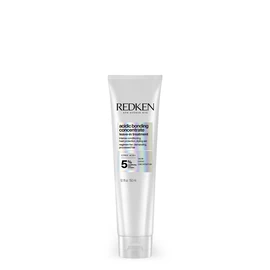
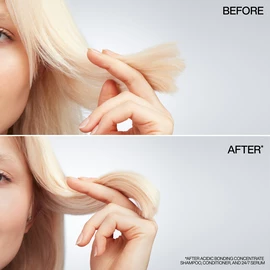
If green has already shown up, a chelating or clarifying wash is the move for lifting the deposit. For prevention, metal-binding chemistry can help limit the problem before it gets there. The Bonding Care Complex in Acidic Bonding Concentrate Shampoo captures metal ions and helps reinforce weakened bonds.
If blonde hair develops a persistent green tint after swimming, a stylist can assess the discoloration and recommend the appropriate treatment to restore the hair’s tone.
How Do You Protect Your Hair Before Swimming?
These steps can help protect your hair from the effects of swimming and sun exposure throughout the season.
Hair absorbs water, so the basic strategy is simple: give it clean water first, add a little protection, and make it harder for the pool or ocean to become its next source of moisture.
Here is the pre-swim routine:
- Soak your hair with clean tap water. Keep going until it is fully saturated, not just damp. Hair that is already full of fresh water has less capacity to take on chlorinated or salty water.
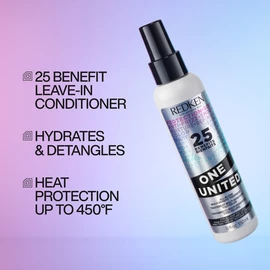
- Add a barrier. A rinse-out conditioner or leave-in can coat the strand and help slow absorption.
- Braid or twist it up. Less hair exposed to the water means less exposure overall, plus fewer tangles waiting for you afterward.
- Wear a swim cap if you swim regularly. No cap is completely watertight, but it adds another layer of protection, especially over saturated, conditioned hair.
- Rinse as soon as you get out. Do not let pool or ocean water dry on your hair if you can help it. Once the water evaporates, the chlorine, salt, and minerals left behind become more concentrated on the strand.
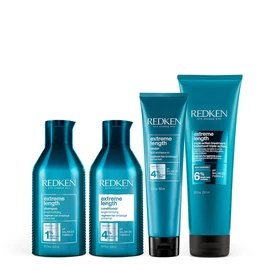
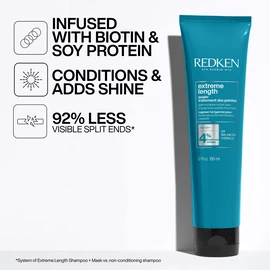
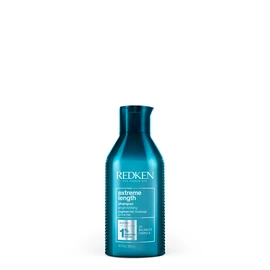
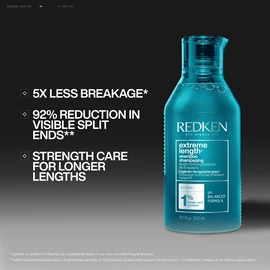
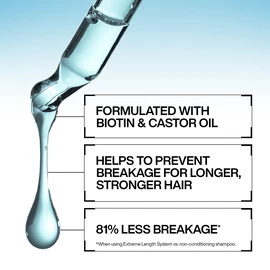
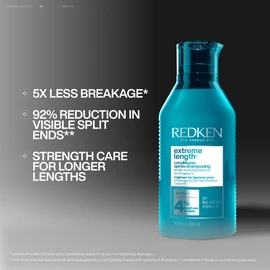
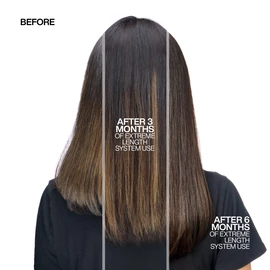
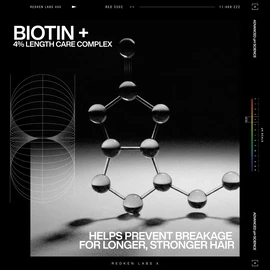
For hair that has already been worn down by sun, swimming, and everyday handling, Extreme Length Leave-In Treatment with Biotin and Length Care Complex can help fortify hair and reduce breakage caused by everyday styling and handling.
How Do You Repair Hair After a Summer of Swimming?
End-of-summer hair needs a sequence: get the residue off, reinforce the fiber, then put the moisture back.
First, clear the residue
Salt, copper, and other mineral deposits can sit on the fiber and get in the way of whatever you apply next. Start with one thorough clarifying wash with Acidic Bonding Concentrate Shampoo to reset the surface, then follow with conditioner.
Next, reinforce the fiber
This is where chlorine damage gets a different kind of attention. Oxidation can affect the internal structure of the fiber, so adding moisture alone is not the whole answer.
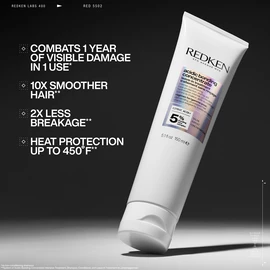
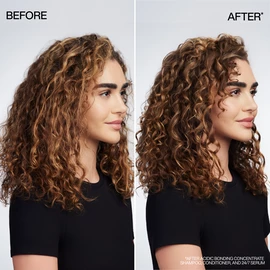
Pair your routine with Acidic Bonding Concentrate Conditioner. The Acidic Bonding Concentrate range uses a Bonding Care Complex that penetrates the cuticle, capturing metal ions, while the system is designed to help reinforce weakened hair.
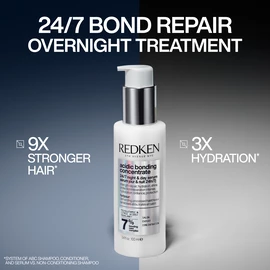
Once a week, use Acidic Bonding Concentrate Intensive Treatment as a pre-shampoo treatment. Give it 5-10 minutes, then rinse.
And once you get the damage under control, you can move back to a routine that fits what your hair actually needs.
Then, put the moisture back
Chlorine and salt water do not leave hair needing the exact same thing, but both can leave it feeling dry and rough. Keep a leave-in on damp mid-lengths and ends after washing through early autumn to help restore softness and slip.
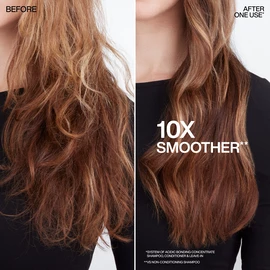
Used as a system, the shampoo and conditioner leave hair 9x smoother.*
* Acidic Bonding Concentrate Shampoo & Conditioner vs. non-conditioning shampoo.
Finally, deal with the ends
Sometimes the answer is a trim.
A summer of swimming can leave ends too split or weathered to fully recover. Splits can travel upward, so trimming them is not admitting defeat. It is stopping the damage from moving farther up the strand.
Your hair can get its softness back relatively quickly. Severely damaged ends require a different approach, especially when the damage has progressed to splitting or breakage.
Pool water and ocean water are two different problems. Chlorine oxidizes, salt water dehydrates, and copper turns blonde hair green. Each type of exposure requires a different approach: saturate and rinse to limit exposure, clear the residue, reinforce the fiber, and put the moisture back.
When to Book a Professional Consultation
Book time with a professional Redken hair stylist if the green cast remains after clarifying, if your hair has started snapping mid-length since the summer, or if you are due a color service and want to know what the water has left behind first. Bound metal is difficult to judge by eye at home, and a stylist can look at your ends up close, run a strand test, and tell you whether this is something a bottle can handle or something that needs a professional service.
Find a Redken salon near you to book a professional consultation.
Next: How to Choose the Right Moisturizing Shampoo for Dry, Brittle Hair. For dry, brittle hair, choosing the right moisturizing formula is the first step toward better-feeling, more manageable hair.