In this article:
- Why Does Chemically Treated Hair Become Weak?
- What Is a Bond Building Routine?
- Strengthening Weak Hair: A Step-by-Step Routine
- Brittle Hair Repair: Why Overnight Care Matters
- Common Mistakes That Keep Hair Weak
- Building Strength That Lasts
Key Takeaways:
- Color, lightening, and other chemical services can weaken the internal bonds that hold hair together, leading to breakage, frizz, and dullness.
- Strengthening weak hair works best with a daily bond building routine, not a once-in-a-while treatment.
- Target the ends separately, since they're the most porous and fragile part of chemically treated hair.
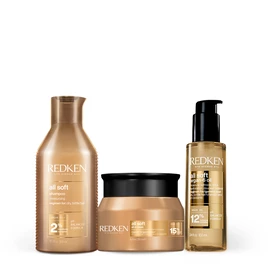
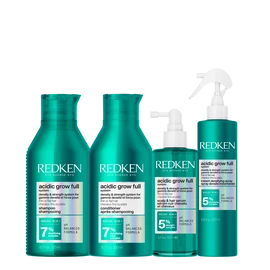
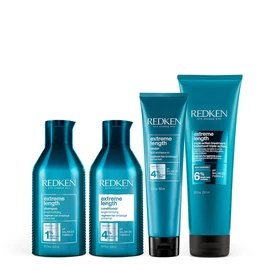
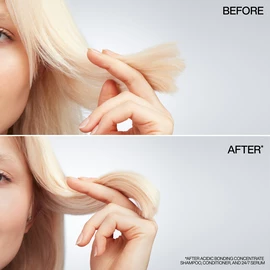
- Together, Acidic Bonding Concentrate Shampoo and Conditioner, Hair Bandage Balm, and 24/7 Night & Day Serum work to strengthen processed hair around the clock.
Your color looks incredible, but your hair now stretches like taffy, tangles in seconds, and leaves broken pieces in your brush. If that sounds familiar, strengthening weak hair starts with understanding what chemical services change inside each fiber.
This guide explains why processed hair loses strength, what a bond building routine actually does, and how to care for weak hair from root to tip, day and night.
Why Does Chemically Treated Hair Become Weak?
Chemically treated hair becomes weak because services like coloring and lightening alter the hair's internal structure. Over time, the bonds that keep the fibers within hair together become weakened, which shows up as frizz, breakage, lack of shine, and hair that's harder to manage.
The Role of pH
Healthy hair is naturally acidic, with a pH between 4.5 and 5.5. (pH measures how acidic or alkaline something is.) Everyday exposure to water and chlorine, which are more alkaline, adds stress on top of chemical services. Fluctuations in pH can swell and contract the hair fiber, causing damage over time.
Why Your Ends Need Extra Attention
At Redken, each hair is divided into three zones. Zone 1 is the newest growth near the scalp. Zone 2 covers the mid-lengths, which may have been altered by chemical services. Zone 3 includes the most porous, driest sections, often from multiple chemical services, heavy heat styling, or length past the shoulders. Zone 3 tends to feel rough, look unsealed, and break first.
What Is a Bond Building Routine?
A bond building routine is a set of products used together, consistently, to reinforce weakened bonds and improve hair strength. Rather than relying on a single salon treatment, it builds strength into every wash and every styling session.
For chemically treated hair care, the ingredient to know is Citric Acid, an alpha hydroxy acid. In the Acidic Bonding Concentrate range, Bonding Care Complex plus Citric Acid works at a molecular level, penetrating the cuticle to capture metal ions and reinforce weakened bonds. (The cuticle is the outermost protective layer of the hair.)
Strengthening Weak Hair: A Step-by-Step Routine
The steps below build strength from the inside out, then protect the most fragile areas. Follow them consistently for the best results.
- Start with a bonding shampoo. Acidic Bonding Concentrate Shampoo is sulfate-free and safe for color-treated and chemically processed hair. Apply to wet hair, lather, and rinse.
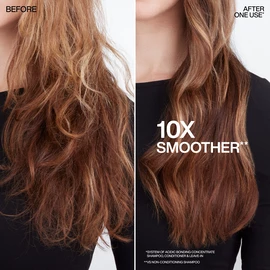
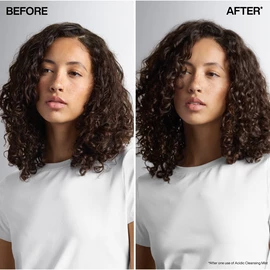
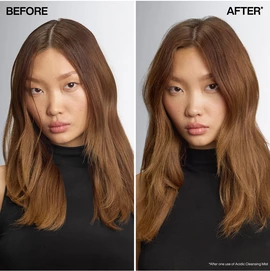
- Follow with a bonding conditioner. Acidic Bonding Concentrate Conditioner provides strength repair, intense conditioning, and color fade protection. Leave it on for 5 to 10 minutes, then rinse. Used together, this shampoo and conditioner deliver 2x less breakage and 9x smoother hair versus a non-conditioning shampoo.
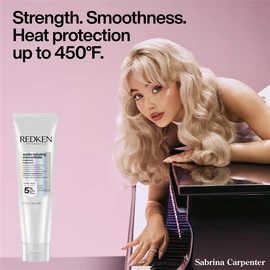
- Treat your ends with a balm. Acidic Bonding Concentrate Hair Bandage Balm is the range's first treatment dedicated to Zone 3. Rub a pea-size amount between your palms and apply to damp ends up to the mid-lengths. It visibly seals up to 96% of damaged, dry split ends and protects against heat up to 450°F.
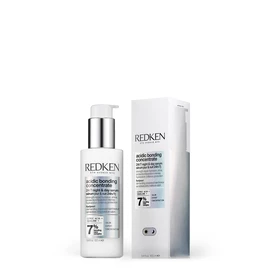
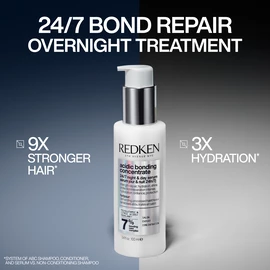
- Add round-the-clock repair with a serum. Acidic Bonding Concentrate 24/7 Night & Day Serum is designed for processed, damaged hair. Apply a quarter-size amount to clean, damp, or dry hair. At night, apply generously from mid-lengths to ends; during the day, use it as needed for frizz reduction, conditioning, and shine.
- Reapply as needed. You can reapply the balm to dry ends throughout the day. Both treatments are designed to be used as often as desired without overuse when applied as directed.
Brittle Hair Repair: Why Overnight Care Matters
Overnight care matters because tossing and turning against a pillowcase creates friction that stresses the hair fiber. That friction can leave you with tangles, frizz, and fragile hair by morning.
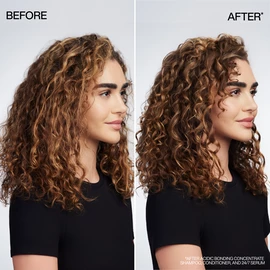
The 24/7 Night & Day Serum combines Citric Acid with Polyglutamic Acid and Squalane, which cling to hair for long-lasting protection and repair. Used as a system with the Acidic Bonding Concentrate Shampoo and Conditioner, it delivers 9x stronger hair, 3x more hydration, and 89% less breakage versus a non-conditioning shampoo. It also carries a calming lavender scent, which makes it an easy addition to your evening routine.
Common Mistakes That Keep Hair Weak
Even with great products, a few habits can slow your progress:
- Using treatments without a bonding wash: The balm and serum work on their own, but processed hair seeking internal bonding benefits most when they're paired with the Acidic Bonding Concentrate Shampoo and Conditioner.
- Skipping heat protection: Weak hair is more vulnerable to hot tools, so protect your ends before styling.
- Booking back-to-back services: Talk with your professional hair colorist about timing and a care plan that fits your hair's condition.
- Expecting instant transformation: Bond care builds with continued use, so consistency is key.
Building Strength That Lasts
Strong, healthy-looking hair and bold color can coexist. At Redken, the foundation is protein, moisture, and an acidic pH, and a consistent bond building routine puts that formula to work every day. Pair your at-home care with regular visits to your professional hair colorist, and your hair will be better equipped for every transformation you choose.
Frequently Asked Questions
Answers to Your Frequently Asked Questions