In this article:
- What Dry Hair Actually Means
- Heat Styling, Sun, and Dry Air Wear Down the Cuticle
- Chemical Services Change How Hair Holds On to Moisture
- Washing Habits and Product Buildup Play a Bigger Role Than People Think
- Why Some Hair Types Need More Moisture
Key Takeaways:
- Dry hair primarily involves the cuticle’s ability to retain moisture, while structural damage can affect the cortex and change the hair’s strength, elasticity, and behavior.
- Heat styling, UV exposure, and dry air can roughen the cuticle and contribute to moisture loss, dryness, and changes in manageability over time.
- Color, lightening, and other chemical services can alter the cuticle and increase porosity, making processed hair more likely to lose moisture and need additional conditioning care.
- Washing frequency, water temperature, styling product buildup, silicones, and hard-water minerals can all influence how dry or coated the hair feels and how evenly conditioning products work.
- Hair texture and porosity affect moisture retention, with curly and coily hair and hair with a more open cuticle often needing additional moisture and conditioning even without chemical or environmental damage.
Quick Answer
Hair gets dry when the cuticle can't hold on to moisture, whether the cause is heat styling, a chemical service, harsh washing habits, or hair that's naturally more porous than most.
Dry hair can have different causes, from heat styling and chemical services to frequent washing and natural hair characteristics. Each can affect the hair’s moisture balance differently, so the right care depends on what is causing the dryness. Here’s how to identify the cause and choose the right approach.
What Dry Hair Actually Means
Dry hair occurs when the hair has difficulty retaining enough moisture, leaving it feeling rough, dull, or less manageable. When the cuticle, the hair’s outer layer, is raised or roughened, moisture can escape more easily.
Dryness and damage are related, but they are not the same. Dryness primarily affects the hair’s surface, while damage can affect the cortex, the inner layer that gives hair much of its strength and structure. Hair can be dry without being significantly damaged, while damaged hair often becomes dry because changes to the hair’s structure and cuticle make it harder to retain moisture.
The way hair behaves can also help distinguish the two. Dry hair may feel rough or look dull while maintaining relatively normal elasticity when wet. Hair that stretches significantly more than expected, feels weak, or breaks easily may have structural damage in addition to dryness.
Heat Styling, Sun, and Dry Air Wear Down the Cuticle
Heat styling, sun exposure, and dry air can all contribute to moisture loss and a rougher cuticle. The more often hair is exposed to these factors, the more likely it is to feel dry, dull, or less manageable.
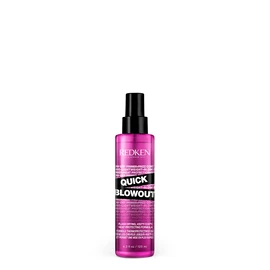
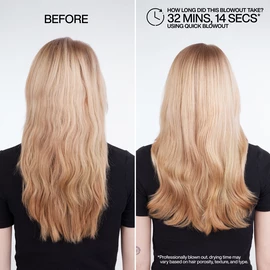
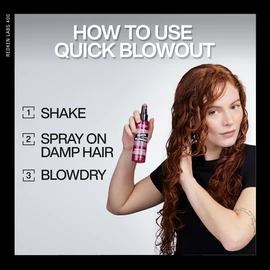
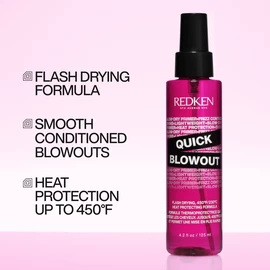
Blow-dryers, flat irons, and curling irons can remove moisture from the hair, while repeated high heat can leave the cuticle rougher over time. Using the lowest effective heat setting and applying a Redken heat primer or heat protectant before styling can help minimize this stress. For example, Quick Blowout is suited to blow-drying, while Thermal Spray High Hold Spray is designed for thermal styling with hot tools.
UV exposure can also affect the hair’s proteins and contribute to a rough, dry feel, particularly through the mid-lengths and ends. Limiting prolonged sun exposure and covering the hair when spending extended time outdoors can help protect it.
Dry, low-humidity air can increase moisture loss, which is why hair may feel drier during colder months or in heated and air-conditioned environments. In these conditions, adding more conditioning care to your routine can help hair maintain moisture and manageability.
Chemical Services Change How Hair Holds On to Moisture
Coloring, lightening, and other chemical services can affect the cuticle, making it harder for hair to retain moisture after processing. Lightening in particular alters the hair’s structure to remove pigment, which can leave the cuticle more raised and the hair more porous.
The more often a service is repeated, or the more lift it requires, the greater the potential for dryness and porosity. That is why chemically treated hair often needs more conditioning and moisture-focused care than hair that has not been processed.
For hair that is regularly colored or lightened, the right routine should account for that increased need for moisture while also helping maintain strength and manageability.
Washing Habits and Product Buildup Play a Bigger Role Than People Think
How you wash your hair can affect how dry it feels, especially when frequent washing, hot water, or product buildup is part of the routine. Washing too often can remove some of the hair’s natural oils, while repeated exposure to hot water can leave hair feeling drier. Styling products, silicones, and hard-water minerals can also build up on the hair, making it harder for conditioning ingredients to work evenly.
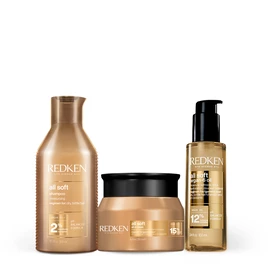
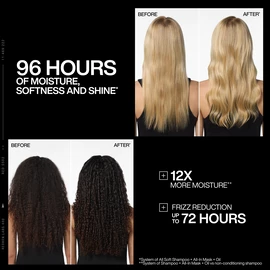
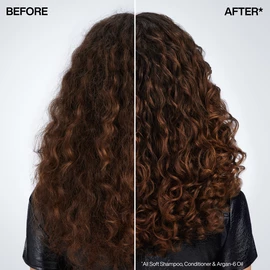
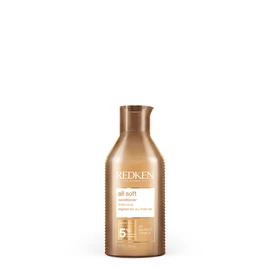
For dry, brittle hair, All Soft Shampoo cleanses while helping replenish moisture and improve manageability. Follow with All Soft Conditioner, which conditions and helps leave hair softer and easier to detangle.
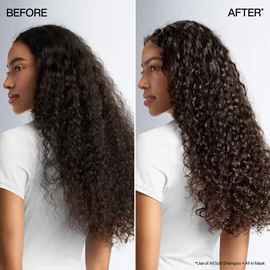
For curly and coily hair, All Soft Mega Curls Shampoo and All Soft Mega Curls Conditioner offer the same moisture-focused approach with formulas designed specifically for the needs of curls and coils.
- All Soft Shampoo: Formulated with Argan Oil, Soy Protein, Arginine, Sepicap, and Moisture Complex to cleanse dry, brittle hair while helping improve its condition.
- All Soft Conditioner: Conditions dry hair to improve softness, manageability, and ease of detangling.
- All Soft Mega Curls Shampoo: Cleanses curly and coily hair while providing moisture and supporting softness and manageability.
- All Soft Mega Curls Conditioner: Conditions curly and coily hair to support moisture, softness, and manageability.
If buildup is making hair feel coated or preventing conditioner from working as well as it should, an occasional clarifying wash can help remove residue before returning to a moisture-focused routine.
Why Some Hair Types Need More Moisture
Hair texture and porosity can affect how easily hair retains moisture, so the same routine will not work the same way for every hair type.
Curly and coily hair is often more prone to dryness because the bends and curves of the strand make it harder for natural oils from the scalp to travel down to the ends. As a result, the mid-lengths and ends can become dry even when the hair has not been exposed to heat or chemical services. For curly and coily hair that needs additional moisture, All Soft Mega Curls Shampoo provides moisture-focused cleansing, while All Soft Mega Curls Conditioner provides conditioning to help maintain softness and manageability.
Porosity also matters. Hair with a more open cuticle can lose moisture more easily than hair with a more compact cuticle. That means dryness is not always the result of damage or a routine that needs to be changed. Some hair types naturally need more moisture and conditioning to stay manageable.
Overall, moisture needs depend on more than whether hair has been damaged. Texture, porosity, styling habits, chemical services, and environmental exposure can all affect how hair holds on to moisture, making it important to adjust cleansing and conditioning based on the hair’s specific needs.
When to Book a Professional Consultation
Most dry-hair routines can be built and adjusted at home, but some situations are worth a stylist’s assessment first. If hair stays dry and rough despite consistently following a moisture-focused routine, a stylist can check for underlying damage that may not be visible at home. If dryness appears suddenly after a color or lightening service, a colorist can recommend care based on the specific service performed. And if dryness is accompanied by noticeable breakage or thinning, it is worth getting a professional assessment rather than trying to determine the cause at home.
Find a Redken salon near you to book a professional consultation.
Next: How to Rehydrate Dry, Damaged Hair With All Soft. Learn about how to hydrate dry and damaged hair, what it is caused by and how to fix it with the Redken All Soft range
Frequently Asked Questions
Answers to Your Frequently Asked Questions