In this article:
- How Do You Prevent Hair Breakage?
- What Is the Right Way to Detangle Wet Hair?
- What Heat Setting Is Safe for Your Hair?
- How Should You Sleep to Avoid Breakage?
- What Should You Change Before a Color Appointment?
Key Takeaways:
- Breakage prevention comes down to handling: how you detangle, dry, tie, and sleep on your hair sets how much stress the fiber absorbs.
- Wet hair is at its most fragile, so start with the habits that put the most stress on it: brushing, tying it up, and sleeping on it while wet.
- Detangling order beats detangling tools: working upward from the ends keeps force off the knot, which is where mechanical breakage happens.
- Heat damage accumulates, and past a point it does not reverse, so use the lowest setting that styles your hair in one pass, over a heat protectant.
- Prevention protects hair you have not damaged yet. Existing damage needs a repair routine, and divided ends still need trimming.
Most hair breakage is built one habit at a time: pulling a brush through wet strands, running an iron at a temperature nobody chose deliberately, wearing an elastic in the same place every day. Each one costs the fiber a little strength, and those small stresses compound until a strand snaps.
QUICK ANSWER
Prevent hair breakage by focusing on the products you use: detangle gently on conditioned hair, keep heat low, protect your length overnight, and loosen the styles you wear most.
How Do You Prevent Hair Breakage?
Preventing hair breakage means reducing the everyday mechanical, thermal, and chemical stress a strand absorbs, so its protein structure stays intact instead of failing at its weakest point.
Breakage has a long list of causes, but most of them come down to how you handle your hair day after day. The good news? Those are the things you can actually change.
Start with the habits that put the most stress on the fiber, then build from there:
- Treat wet hair as a fragile state. Squeeze out excess water by hand, then blot with a soft towel rather than rubbing.
- Detangle from the ends upward. Work in sections with a wide-tooth comb and plenty of slip.
- Use the lowest heat setting that gets the job done. Apply a heat protectant first and keep passes over each section to a minimum.
- Move the tension around. Avoid wearing the same tight ponytail in the same spot every day.
- Choose gentler hair ties. Swap thin elastics and metal crimps for coil ties or fabric scrunchies.
- Give your hair an easier night. Braid or loosely twist your length before bed and use a smooth pillow surface.
- Do not wait for heavy buildup. Wash before your hair gets so coated that you find yourself brushing harder to get through it.
- Keep trims on the calendar. Regular trims can keep split ends from traveling farther up the strand.
- Give chemical services some breathing room. Space them out and plan them rather than stacking multiple services close together.
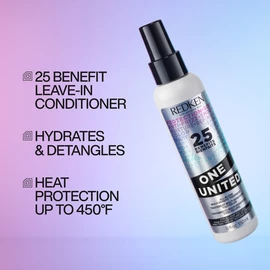
- Add a leave-in where your hair needs it most. Focus on the mid-lengths and ends, which have had the longest exposure to everyday wear.
Prevention protects the hair you still have. If your hair is already breaking, these habits work best alongside a repair routine that addresses the damage already there.
And once you understand why each habit helps, you do not have to follow a checklist forever. You can make smarter choices based on what your own hair is doing.
What Is the Right Way to Detangle Wet Hair?
Detangling is the act of separating knotted strands with as little pulling force as possible, and it is the highest-value habit change for most people, because knots are where mechanical breakage happens.
A knot creates a concentrated point of tension. Pulling a comb through it from above puts more force on the strands inside the knot, increasing the risk of breakage. Starting at the ends and working upward allows you to loosen smaller sections at a time, reducing tension on the hair.
The working sequence:
- Add slip first. Never detangle dry, tangled, unconditioned hair. Work through conditioner while it is still in, or mist damp hair with a leave-in first.
- Section it. Two to four sections for most lengths, so the comb stops meeting hidden knots.
- Start at the ends. Hold the section above the comb so the pull stops at your hand rather than reaching the scalp.
- Move up in short steps. Once the ends run clean, start higher, until the comb passes root to tip without resistance. If a knot resists twice, separate it with your fingers.
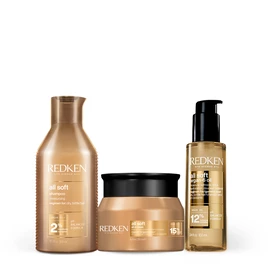
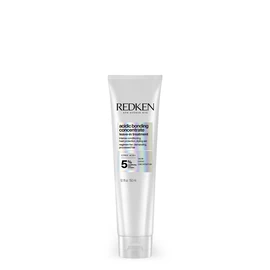
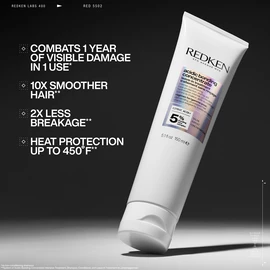
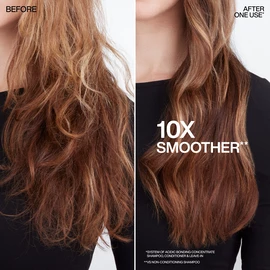
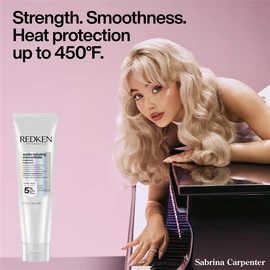
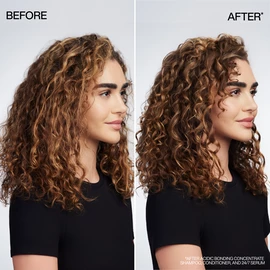
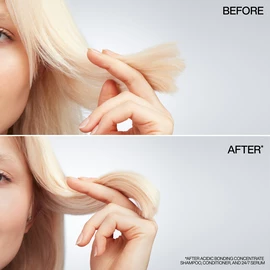
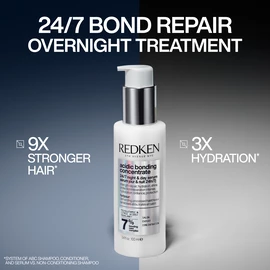
The leave-in step is the part most routines skip. On chemically processed hair that is prone to snapping, the Acidic Bonding Concentrate Leave-In Treatment conditions and helps reinforce weakened bonds as you detangle. Used as a system with the Acidic Bonding Concentrate Shampoo and Conditioner, it delivers 82% visible reduction of split ends.*
* Acidic Bonding Concentrate Shampoo & Conditioner and Leave-In Treatment vs. non-conditioning shampoo.
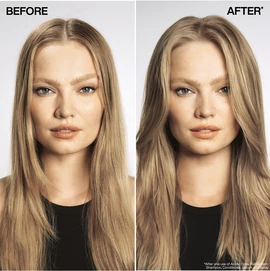
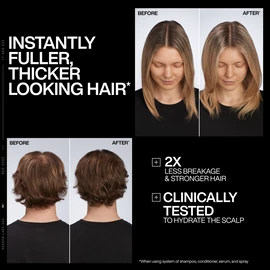
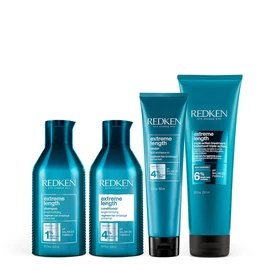
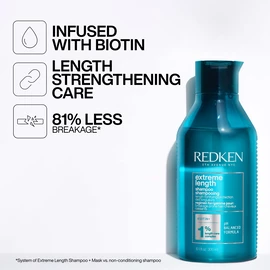
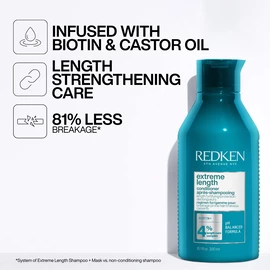
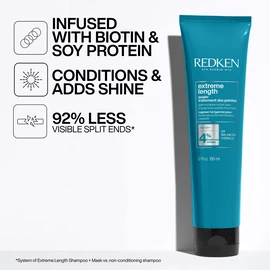
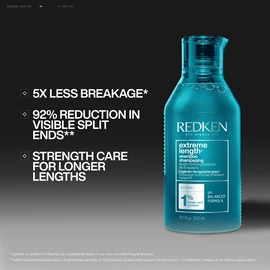
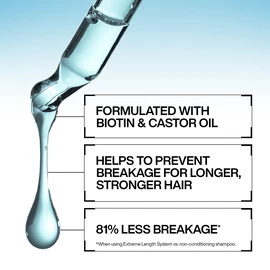
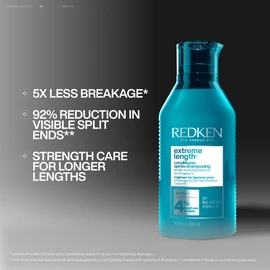
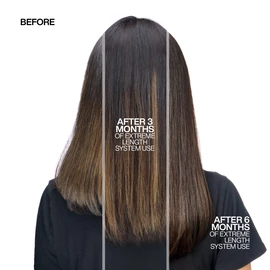
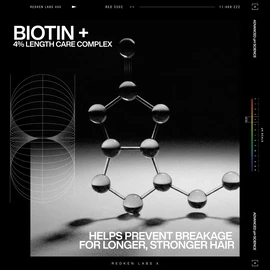
If your hair is not chemically processed and your concern is everyday wear and holding on to length, the Extreme Length Leave-In Treatment is the better match: Extreme Length, made with Biotin, Castor Oil, and Redken’s Length Care Complex, helps fortify hair worn down by everyday handling, when used as a system. Either way, the payoff is the same: ends that hold up to being touched, brushed, and styled every single day.
What Heat Setting Is Safe for Your Hair?
A safe heat setting is the lowest temperature that styles your hair in one pass, and that looks different from person to person depending on your hair’s thickness, texture, porosity, and condition.
Higher heat does not mean a better style. Your hair responds to the amount of heat applied, so use the lowest temperature that effectively styles your hair.
Start lower and turn the temperature up only if your hair actually needs it. The goal is enough heat to get the job done in one pass, not the highest setting your tool can reach.
Heat damages hair in two ways: it can rapidly remove water from the fiber and alter the keratin structure that gives the strand its strength. Hair does not recover between styling sessions the way living tissue does, so repeated heat exposure can add to the damage over time.
Reasonable starting ranges for an iron:
- Fine, light, or chemically processed hair: the lowest temperature your tool offers. Processed hair takes on heat faster because it holds less water.
- Medium, healthy hair: the middle band handles most styling. If the style holds, do not go hotter.
- Coarse, dense, or resistant hair: the upper band may be necessary, paired with strict sectioning and one pass per section.
Three rules matter more than the dial:
- Never take an iron to wet or damp hair. The water inside the fiber turns to steam and forces the cuticle open from underneath.
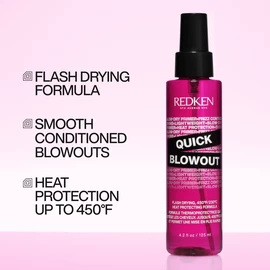
- Always use a heat protectant, like the Redken High Hold Thermal Heat Protection Spray: it is a thermal buffer and it adds slip so plates do not drag.
- Rough-dry before you style. Medium-heat drying with the nozzle aimed down the strand, then one iron pass, is gentler than clamping hot plates onto half-dry hair.
How Should You Sleep to Avoid Breakage?
Sleep protection is the set of choices that stops hair being ground against a rough surface for hours: what your head rests on, how your length is secured, and whether hair is dry at bedtime.
You move dozens of times a night, and each movement drags hair across whatever it is lying on. Cotton is absorbent and high-friction, so it pulls moisture from the fiber and roughens the cuticle at once. Over months that shows up as short broken pieces at the nape.
What to change tonight:
- Swap the pillowcase. Silk or satin lets hair slide instead of catching, and it does not wick moisture from your ends.
- Contain the length loosely. A braid, low twist, or soft bonnet keeps hair from tangling against itself, but a tight overnight style only trades friction for tension.
- Move the tie down. Secure at the nape or below with a fabric or coil tie, never a thin elastic sitting high on the crown.
- Do not sleep on wet hair. Wet hair is at its most stretchable, so a night of movement in that state costs you length.
- Apply the leave-in before bed, not just before styling. Overnight is dead time your ends can use.
What Should You Change Before a Color Appointment?
The pre-service conversation is the short assessment you and your stylist run before any chemical work begins, covering what your hair has been through, what you are asking of it, and whether the timing should move.
Chemical services are the highest-stress thing most hair experiences, and they spend a reserve of strength your habits either preserve or waste. Arriving in the best condition you can manage is prevention: a stronger starting fiber takes less collateral damage.
In the two weeks before an appointment:
- Add a conditioning or bonding step now rather than after the fact. Hair in good condition takes color more evenly.
- Ease off the heat tools; you want the cuticle as intact as possible on the day.
- Skip clarifying washes right before the appointment unless your stylist asks for one.
- Write down every chemical service, box color, and home treatment from the past year; that is what changes a formula.
- Be honest about your styling habits. A stylist choosing between two approaches needs to know whether you iron daily or air-dry.
At the appointment, ask two things: how long to wait before the next service, and which at-home step protects the result. If your hair is already breaking, ask what needs treating first, then find it in the Redken damaged hair range.
When to Book a Professional Consultation
If you are still finding broken pieces after several weeks of careful handling, something structural is going on. Schedule an appointment with a professional Redken hair stylist for a one-on-one consultation.
Find a Redken salon near you to book a professional consultation.
NEXT: Strengthening vs. Repairing Hair: Which Does Yours Actually Need?
Learn about the difference between strengthening vs repair routines, which one your hair needs and which products to use.