In this article:
- What Each Product Is Built to Do
- How Hair Oil, Masks, and Leave-In Work Together
- Hair Oil: Daily Softness and Shine
- Deep-Conditioning Mask: Where It Fits
- Leave-In Treatment: Where It Fits
- How to Choose the Right Combination
Key Takeaways:
- Hair oils, deep-conditioning masks, and leave-in treatments provide different types and levels of conditioning, with oils focused on smoothing and finishing, masks on concentrated conditioning, and leave-ins on ongoing moisture and conditioning.
- Lightweight hair oils add softness, shine, and surface smoothing to dry lengths and can help manage frizz between washes, but they do not replace the deeper conditioning provided by a mask or leave-in treatment.
- Deep-conditioning masks provide more concentrated conditioning on wash days, with frequency depending on the hair’s dryness, texture, porosity, and overall condition.
- Leave-in treatments are applied after washing to extend conditioning beyond the shower, helping maintain moisture, softness, manageability, and heat protection through drying and styling.
- Hair oils, deep-conditioning masks, and leave-ins can be combined based on the hair’s needs, with the order and frequency adjusted to provide enough conditioning without unnecessary weight.
Quick Answer
Hair oil is a lightweight, daily finishing step that seals the surface and adds shine and softness. A mask is a weekly, rinse-out treatment that provides more concentrated conditioning during a longer contact time. A leave-in treatment sits on damp hair and keeps working between washes, adding moisture and heat protection day to day. Most dry-hair routines benefit from more than one of these, with each serving a different purpose rather than replacing the others.
Oils, masks, and leave-in treatments can all help dry hair, but they don’t do the same thing. The right choice depends on what your hair needs, whether that’s added conditioning, softness, moisture, or help managing dryness between washes. Understanding the role of each format makes it easier to choose what your hair actually needs.
What Each Product Is Built to Do
The difference between these three products comes down to how they’re formulated, how long they stay on the hair, and what they’re designed to deliver. A hair oil is a leave-on finishing step that works primarily on the surface of the hair to smooth, add shine, soften the feel of the lengths, and help manage frizz. A hair mask is a rinse-out treatment designed for more concentrated conditioning. It stays on the hair longer than a regular conditioner, giving conditioning ingredients more time to work before the product is rinsed away.
A leave-in treatment fills a different place in the routine. It stays on the hair after washing, like an oil, but is formulated to provide conditioning and moisture throughout the day rather than primarily smoothing the surface. It can also help protect hair from heat and styling tools. That makes the three products complementary rather than interchangeable. An oil can improve how dry hair looks and feels, but it isn’t a substitute for conditioning. A deep conditioning mask provides more intensive conditioning, but only on the days you wash and treat your hair. A leave-in extends conditioning beyond the shower, but it doesn’t replace the concentrated treatment you get from a deep-conditioning mask.
Hair porosity can also influence which format feels most effective. Hair with higher porosity, which can result from chemical services and repeated heat or environmental exposure, tends to take on and lose moisture more readily. That hair may benefit from consistent conditioning through a mask or leave-in, with oil added to help smooth and soften the surface. Hair with lower porosity can be more prone to feeling weighed down when rich conditioning products are overused. In that case, lighter formulas and smaller amounts may provide the right balance without leaving the hair heavy.
How Hair Oil, Masks, and Leave-In Work Together
A hair oil, deep-conditioning mask, and leave-in treatment can all have a place in the same haircare routine because they provide different types and levels of conditioning. A deep-conditioning mask provides a more concentrated treatment on wash days, a leave-in adds conditioning and moisture after washing, and an oil provides softness, shine, and smoothing as a finishing step.
The right combination depends on your hair’s condition, texture, and level of dryness. If your hair needs more intensive conditioning, a weekly mask can provide a deeper treatment after shampooing. A leave-in can then add conditioning and moisture after washing, particularly through the mid-lengths and ends. If the hair also feels rough or looks frizzy, a small amount of oil can be applied to finish the style and add additional softness and shine.
You do not need to use all three every time you wash. The mask is the more intensive conditioning step, the leave-in is the post-wash conditioning and styling step, and the oil is the finishing step. Using them according to their intended purpose makes it easier to adjust the level of conditioning based on how your hair feels without adding unnecessary weight.
Hair Oil: Daily Softness and Shine
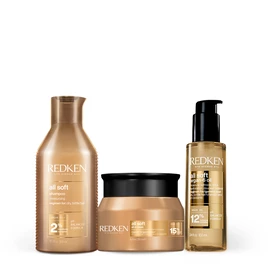
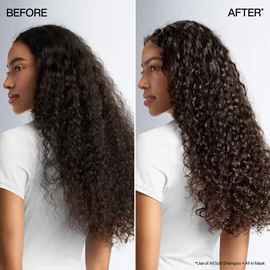
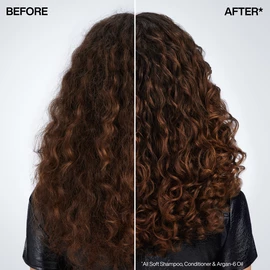
A hair oil can complement a moisture routine by adding softness, shine, and a smoother finish to dry hair. Redken All Soft Shampoo and All Soft Conditioner provide the core cleansing and conditioning, while All Soft Argan-6 Oil can be added afterward when the lengths need additional softness, shine, or frizz control.
How often: Daily or as needed, on damp or dry hair.
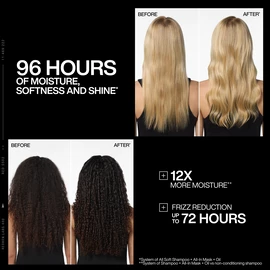
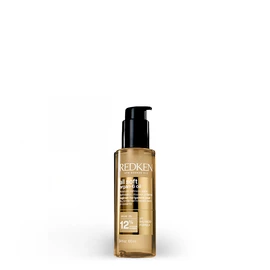
Once hair is washed and conditioned, All Soft Argan-6 Oil adds another layer of softness and shine. The sulfate-free, vegan formula is made with Argan Oil and a 12% Moisture Complex and provides 13x more moisture* and up to 450°F of heat protection. Apply a small amount to damp or dry hair, concentrating on the mid-lengths and ends. It can be used after washing or reapplied to dry hair between wash days when the lengths need more softness or shine.
*Vs. non-conditioning shampoo.
The oil complements the conditioning steps that come before it rather than replacing them. It helps smooth the surface of the hair and improve softness and shine, while shampoo and conditioner provide the core cleansing and conditioning. If hair still feels dry beneath a smoother finish, adding more oil may not be enough. A richer conditioner, deep-conditioning treatment, or leave-in can provide more conditioning where the hair needs it.
Deep-Conditioning Mask: Where It Fits
A deep-conditioning mask gives dry hair a more concentrated conditioning treatment than a regular conditioner. All Soft Heavy Cream Mask is designed to be used after shampooing, giving the hair five minutes of concentrated conditioning before it is rinsed away. All Soft Heavy Cream Mask is formulated with Argan Oil, Gold Camellia, Avocado Oil, Olive Oil, Silk Amino Acid, and 12% Redken’s Moisture Complex.
How often: Once or twice a week, depending on how dry the hair feels.
After shampooing, apply it to towel-dried hair and leave it on for five minutes before rinsing. This longer treatment gives the formula more time to condition dry, brittle hair, making it a useful step once or twice a week when hair needs more softness and moisture. It isn’t meant to replace your regular conditioner or be used every day. Because the formula is more concentrated, using it too often can leave hair feeling weighed down rather than giving it better results.
The formula is designed to make that five-minute treatment count. Argan Oil, Avocado Oil, and Olive Oil help soften the feel of the hair, while Silk Amino Acid helps smooth the hair’s surface. The concentrated Moisture Complex supports the conditioning effect, giving dry hair a softer, more conditioned feel after rinsing. Keeping the mask on for the full five minutes allows the treatment to do what it was formulated to do before you rinse it away.
Leave-In Treatment: Where It Fits
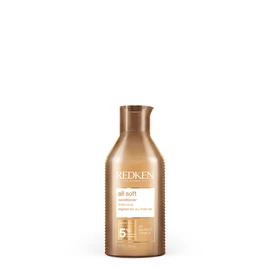
A leave-in treatment is applied after washing to add conditioning, moisture, and styling support without being rinsed away. All Soft Moisture Restore Leave-In Treatment adds moisture and conditioning to damp hair while providing heat protection for styling.
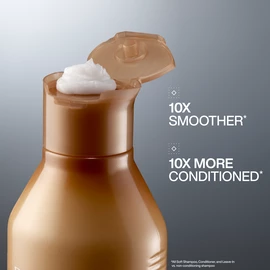
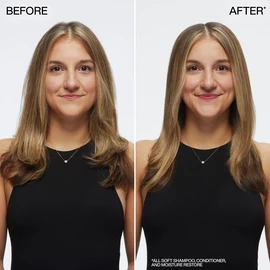
All Soft Moisture Restore Leave-In Treatment is formulated with Hyaluronic Acid and Argan Oil to instantly condition for 10x smoother hair* and keep hair feeling moisturized for up to 72 hours,** with heat protection up to 450°F.
Apply it to damp hair after shampooing and conditioning, focusing on the mid-lengths and ends. Because it stays in the hair, it provides conditioning after you leave the shower and helps keep hair feeling softer and more manageable through drying, brushing, and styling. It works alongside rinse-out conditioner and deep-conditioning treatments rather than replacing them.
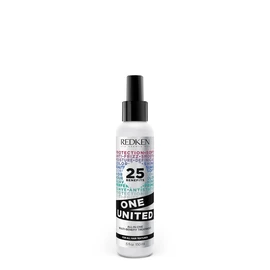
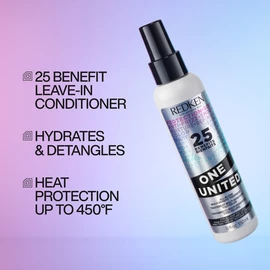
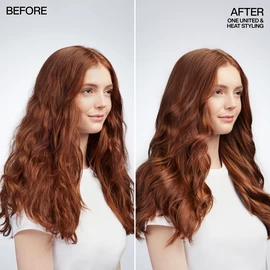
A leave-in serves a different purpose from a deep-conditioning mask. A mask provides more concentrated conditioning during a wash, while a leave-in adds conditioning and moisture after washing and remains in the hair as you style. If additional conditioning or care is needed between washes, a product specifically designed for that use, such as One United Leave-In Conditioner, can be used according to its directions.
*Vs. non-conditioning shampoo.
**Based on consumer testing results.
How to Choose the Right Combination
The easiest way to tell these three hair products apart is to look at when you use them and what they add to your haircare routine: oil smooths and finishes, a mask provides more concentrated conditioning on wash days, and a leave-in provides conditioning, moisture, and heat protection after washing.
| HAIR OIL | DEEP-CONDITIONING MASK | LEAVE-IN TREATMENT |
|---|---|---|
| Best for: daily shine, softness, and frizz control | Best for: weekly intensive moisture and conditioning | Best for: post-wash moisture, conditioning, and heat protection |
| When: damp or dry hair, daily or as needed | When: after shampooing, once or twice a week | When: damp hair, after shampoo and conditioner |
| Leave-on time: not rinsed out | Leave-on time: 5 minutes, then rinse | Leave-on time: not rinsed out |
| Feel: lightweight, seals and smooths the surface | Feel: rich, penetrates more deeply during contact time | Feel: lightweight, layers into post-wash styling |
Most dry hair can benefit from more than one of these formats because they address different needs. A deep-conditioning mask can provide a more intensive treatment once or twice a week, while a leave-in can add conditioning and moisture after washing and provide heat protection during styling. Hair oil can be added when the lengths need extra softness, shine, or frizz control. You don’t necessarily need all three on every wash day. Finer hair may feel better with a lighter approach, such as using a leave-in after washing, a mask when more conditioning is needed, and oil sparingly when you want a smoother finish.
If you’re using more than one on the same wash day, the order is straightforward: shampoo and condition first, apply your leave-in to damp hair, then finish with a small amount of oil if your hair needs additional smoothness or shine. The leave-in provides conditioning and heat protection, while the oil helps smooth the surface and finish the style. Using them in this order also keeps the heavier finishing step from getting in the way of the leave-in’s conditioning benefits.
When to Book a Professional Consultation
A well-matched oil, hair mask, and leave-in routine can address most day-to-day dryness, but some situations are worth bringing to your stylist. If hair stays dry despite adjusting your routine, your stylist can assess its condition and help determine what it needs. They can also recommend which format to prioritize based on your hair type and chemical-service history, especially if you’re unsure where to start. And if your hair continues to feel weighed down even after simplifying your routine, a stylist can help pinpoint which products or steps may be more than your hair needs.
Find a Redken salon near you to book a professional consultation.
Next: Why Hair Gets Dry: The Real Causes. Revisit the full picture of what causes dryness in the first place, and how these treatments fit into addressing it.
Frequently Asked Questions
Answers to Your Frequently Asked Questions