In this article:
- Why Are Your Ends the Oldest Part of Your Hair?
- Why Doesn't Natural Oil Travel All the Way to Your Ends?
- How Do Sun and Water Exposure Affect Hair Ends?
- Why Do Split Ends Get Worse Over Time?
- How Do You Treat Ends Without Overloading Your Roots?
Key Takeaways:
- The ends are the oldest part of the hair strand and accumulate more exposure to washing, brushing, heat, styling, and environmental stress than newer growth near the roots.
- Scalp oils naturally originate at the roots and may not travel evenly down longer hair, leaving the mid-lengths and ends with less of the hair’s natural conditioning.
- Sun exposure, chlorine, and salt water can contribute to moisture loss and cuticle wear, with the effects often becoming more noticeable through the already weathered mid-lengths and ends.
- Split ends develop when the protective cuticle at the tip breaks down and can continue traveling up the strand, making trimming the only way to remove the split section.
- Dry ends benefit from targeted conditioning through the mid-lengths and ends, while trims address split or significantly worn hair that conditioning products cannot rejoin.
Quick Answer
Ends are drier than roots because they're the oldest part of each strand, furthest from the scalp's natural oil, and exposed to the most cumulative heat, sun, and handling over time.
The ends of your hair are more likely to feel dry because they are the oldest and most exposed part of the strand. Roots are new growth and sit closest to the scalp’s natural oils, while the ends have experienced more washing, brushing, heat, styling, and chemical services over time. That accumulated wear makes the ends more likely to feel dry and rough, even when the roots feel balanced.
Why Are Your Ends the Oldest Part of Your Hair?
Hair grows from the root, so the ends are the oldest part of the strand and have had the most exposure to washing, brushing, heat, and styling over time.
The difference becomes more significant as hair grows longer. The hair closest to the scalp may be relatively new growth, while the ends of long hair can be several years old. Every wash and styling session affects the full length, but the ends have experienced that exposure far more often simply because they have been part of the strand longer.
Over time, that cumulative wear can roughen and weaken the cuticle, making the ends more prone to dryness, frizz, and breakage. This is why the ends can feel noticeably drier than the roots even when the hair has been cared for consistently.
Why Doesn't Natural Oil Travel All the Way to Your Ends?
Sebum, the scalp’s natural oil, is produced at the roots and does not always travel the full length of the hair, particularly as hair grows longer. It moves along the shaft through everyday movement and brushing, but the ends are farther from the source and receive less of that natural conditioning.
The longer the hair, the greater that distance becomes. Shorter hair allows sebum to reach more of the strand, while longer hair leaves the mid-lengths and ends with less of the scalp’s natural oil. This is one reason roots can feel balanced while the ends remain dry, even when the same shampoo and conditioner are used throughout the hair.
The effect is not simply a matter of how often you wash your hair or how you care for it. The length and age of the strand itself can make the ends more prone to dryness.
How Do Sun and Water Exposure Affect Hair Ends?
Sun exposure, chlorine, and salt water can add to dryness and wear, making already weathered ends more vulnerable. The ends are the oldest part of the strand and typically receive more direct exposure to the sun, while newer growth near the scalp has had less cumulative exposure.
UV exposure can affect the proteins and cuticles that help keep hair smooth, while chlorine and salt water can contribute to moisture loss and leave residue on the hair. Because the ends have already experienced more washing, brushing, heat, and styling over time, they are less resilient to additional environmental stress.
That is why summer dryness often becomes most noticeable through the mid-lengths and ends. Hair that already feels dry or damaged can benefit from added conditioning and protection during periods of frequent sun and water exposure.
Why Do Split Ends Get Worse Over Time?
Once a split end forms, the damage can continue to travel farther up the strand. A split occurs when the protective cuticle at the tip has broken down enough for the underlying cortex to become exposed. From there, continued washing, brushing, heat, and everyday handling can cause the split to extend further along the hair.
That is why split ends tend to become more noticeable over time rather than resolve on their own. Conditioning can improve the feel and appearance of dry ends and help protect the hair around the split, but it cannot permanently rejoin a strand that has already separated. Once splitting has occurred, trimming is the only way to remove the damaged section.
If buildup is making hair feel coated or preventing conditioner from working as well as it should, an occasional clarifying wash can help remove residue before returning to a moisture-focused routine.
Why Some Hair Types Need More Moisture
Dry ends need more conditioning than roots, so applying the same amount of product throughout the hair can leave roots weighed down while the ends still feel dry. Focus conditioner and leave-in products through the mid-lengths and ends, where they are needed most.
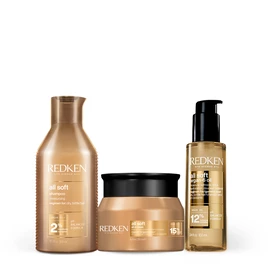
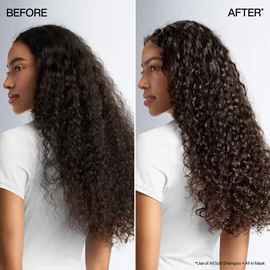
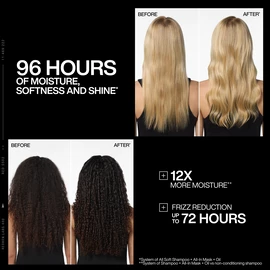
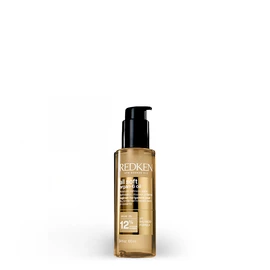
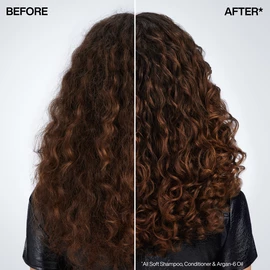
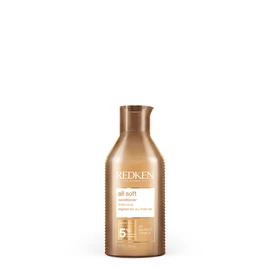
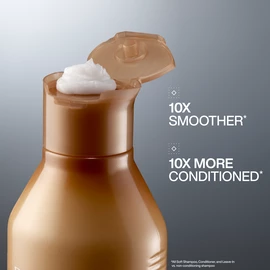
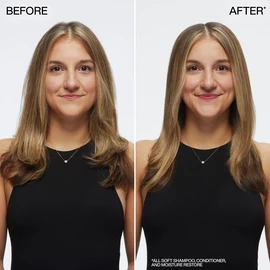
Because the ends have gone the longest without the scalp’s natural oil and carry the most cumulative wear on the cuticle, they need a cleanser that won’t strip what little moisture they have. All Soft Shampoo cleanses dry, brittle hair while helping improve moisture and manageability, so the wash step itself doesn’t add to the dryness the ends are already dealing with. Follow with All Soft Conditioner, concentrating it through the mid-lengths and ends rather than applying it directly to the scalp, since that’s where the natural oil and cumulative wear have left hair needing the most help. For additional conditioning, All Soft All-In Mask can provide more intensive care, whileAll Soft Moisture Restore Leave-In Treatment can be applied to damp hair through the mid-lengths and ends. Argan-6 Hair Oil can be applied to the lengths and ends to help replace the smoothing, moisture-sealing effect that sebum would normally provide closer to the roots. Used together, the system provides 15x more conditioned hair.*
How you handle wet hair matters, too. Detangle from the ends upward to minimize pulling and tension, and blot rather than rub hair dry to reduce friction.
If the ends are already split or significantly worn, conditioning can improve their feel but cannot rejoin the split. A trim removes the damaged section and helps prevent the split from traveling farther up the strand.
*When used with All Soft Conditioner and Argan-6 Hair Oil
Ends and roots are the same hair at two different points in its life, which is why they dry out at different rates and need different amounts of care. Once you know the gap traces back to age, oil distribution, cumulative exposure, and how compromised the very tip has become, treating ends and roots differently stops being an inconsistency and starts being the more accurate approach.
When to Book a Professional Consultation
Most dry ends can be managed at home, but some situations are better assessed by a stylist. If your ends stay dry and rough despite consistent moisturizing care, a stylist can determine how much of the damaged length may need to be trimmed. If splitting has moved beyond the tips and further up the strand, a trim may be more appropriate than additional products. Dryness combined with breakage higher up the strand is also a reason to have a stylist assess the hair.
Find a Redken salon near you to book a professional consultation.
Next: How to Rehydrate Dry, Damaged Hair With All Soft. Learn about how to hydrate dry and damaged hair, what it is caused by and how to fix it with the Redken All Soft range
Frequently Asked Questions
Answers to Your Frequently Asked Questions