In this article:
- What Does Brittle Hair Mean?
- What Causes Hair to Become Brittle?
- How Do You Tell Which Type You Have?
- How Do You Treat Moisture-Related Brittleness?
- How Do You Treat Damage-Related Brittleness?
Key Takeaways:
- Brittle describes a loss of elasticity: the fiber snaps under tension instead of stretching and returning to its original length.
- Two distinct causes sit behind it, moisture loss and structural damage, and they respond to routines that are not interchangeable.
- A wet strand-stretch test at home tells you which of the two you are dealing with in about a minute, using a single shed hair.
- Moisture cases route to All Soft and its Argan Oil and Moisture Complex; structural cases need the bond chemistry Acidic Bonding Concentrate is built for.
- Brittleness that appears suddenly, or only in one area of the head, is worth a professional assessment before any further chemical service.
Quick Answer
Brittle hair is hair that has lost its elasticity, meaning it breaks under tension instead of stretching and recovering, and the correct treatment depends on whether the cause is moisture loss or structural damage inside the fiber.
Brittle is a specific word, not a general complaint about dryness. Hair that is brittle has lost the ability to stretch under tension and return to its original length, so instead of giving, it snaps. That single behavior is what separates brittle hair from hair that is merely dry, and it is why the two need different treatment.
What Does Brittle Hair Mean?
Brittle hair is hair with reduced elasticity, which is the fiber’s capacity to stretch under load and return to its original state. Healthy hair has a surprising amount of give. It can extend noticeably when wet and recover without damage, and that flexibility is what lets it survive brushing, tying, and styling.
When elasticity drops, the same everyday tension that hair used to absorb becomes enough to break it. You see the result as short broken pieces along the length, ends that look frayed, and hair that snaps while you are detangling instead of sliding free.
This is why brittleness is a different problem from dryness even though the two travel together. Dry hair feels rough and looks dull. Brittle hair fails mechanically. Hair can be dry without being brittle, and it can be brittle while still feeling reasonably soft on the surface.
What Causes Hair to Become Brittle?
Brittleness comes from one of two places: water has left the fiber, or the internal structure that holds the fiber together has been weakened. Telling them apart is the whole job, because the treatments are not interchangeable.
Moisture Loss
The fiber holds a certain amount of water, and that water is part of what makes it flexible. Sun exposure, heat styling, hard water, dry indoor air, and long gaps between conditioning all pull it out. Moisture-driven brittleness tends to be seasonal, it affects the whole head fairly evenly, and it improves quickly once the routine changes.
Structural Damage
Chemical services, repeated lightening, and cumulative heat weaken the internal bonds that give the fiber its strength. Damage-driven brittleness is not seasonal, it concentrates where the processing happened, usually mid-lengths and ends, and it does not resolve with conditioning alone because the problem is not a water problem. Plenty of people have both at once, which is why the diagnostic step comes before the treatment decision.
How Do You Tell Which Type You Have?
A wet strand-stretch test distinguishes moisture loss from structural damage using a single hair and about a minute.
- Take one shed strand, not one still attached, and wet it thoroughly.
- Hold it at both ends and pull gently until it begins to extend.
- Watch what happens: healthy hair stretches noticeably and returns. Moisture-starved hair stretches less than you expect and feels stiff, but holds. Structurally damaged hair stretches easily, goes limp or gummy, and does not spring back.
- Repeat with a strand from the crown and one from the ends. A clear difference between the two points to processing damage concentrated along the length.
- The stiff-but-holding result points to moisture. The soft-and-gummy result points to structure. If both appear depending on where the strand came from, treat the structural cause first, because a fiber that cannot hold tension will not benefit from moisture layered on top of it.
How Do You Treat Moisture-Related Brittleness?
Moisture-driven brittleness is treated by returning water to the fiber and reducing what strips it, which is largely a matter of routine adjustment rather than intensive treatment.
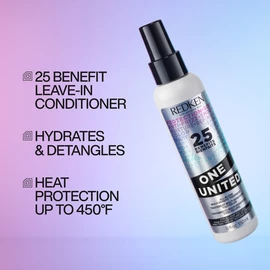
- Lower the heat, not just the frequency. Dropping your tool temperature and using a heat protectant before every pass removes the largest ongoing source of water loss.
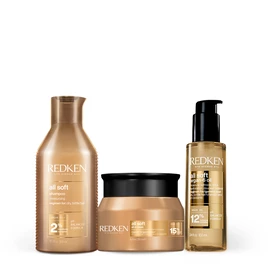
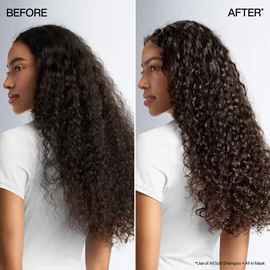
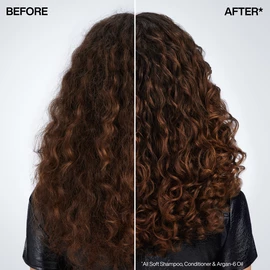
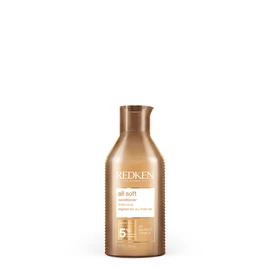
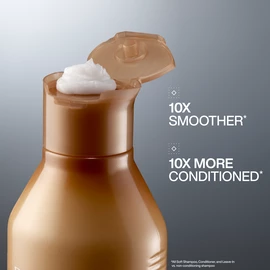
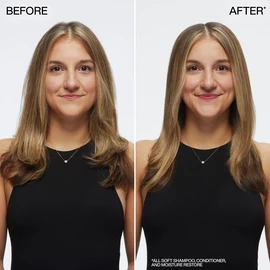
- Cleanse and condition for moisture. All Soft Shampoo is formulated with Argan Oil and gently cleanses dry, rough hair while providing the moisture a brittle fiber is short on. Follow with All Soft Conditioner, made with Redken’s Moisture Complex and Argan Oil, applied from mid-lengths to ends and left on long enough to work rather than rinsed immediately.
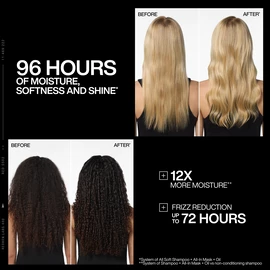
- Add a weekly mask. All Soft All-In Mask With Argan Oil blends a 15% Moisture Complex with Argan Oil and Glycerin, which helps to smooth the cuticle and lock in long-lasting moisture. Apply to wet hair after shampooing, from mid-lengths to ends, leave for three to five minutes, then rinse. A richer weekly step does more for moisture than a slightly better conditioner every day.
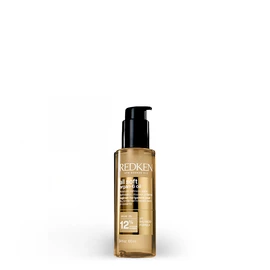
- Seal the ends between washes. All Soft Argan-6 Oil is formulated with Argan Oil and a 12% Moisture Complex, applied to damp or dry hair and concentrated on the mid-lengths and ends, which is where water leaves the fiber first.
- Protect against the environment. Sun, chlorine, salt water, and dry heated air all pull moisture out. Cover, rinse, and re-condition after exposure.
If your test result pointed clearly to moisture, our guide to softening dry, brittle hair covers that routine in depth.
How Do You Treat Damage-Related Brittleness?
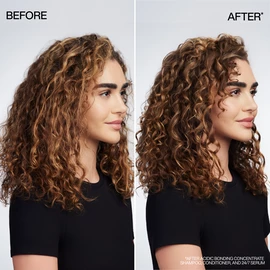
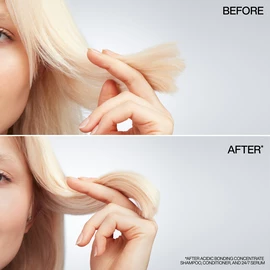
Structural brittleness is treated with bond chemistry, which helps reinforce the weakened bonds inside the fiber so it can hold tension again.
This is the part conditioning cannot do. A conditioner improves the surface and the feel; it does not address why the strand is failing under load. Bond care works at the level where the failure is happening.
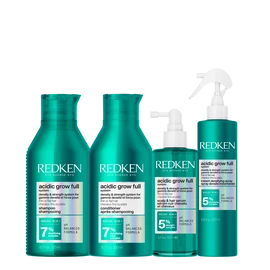
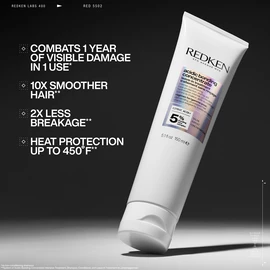
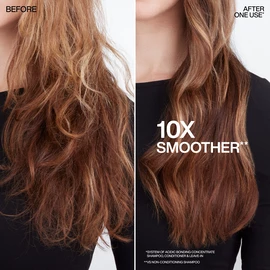
The Acidic Bonding Concentrate Shampoo and Conditioner deliver an 89% reduction in combing force.* That figure matters more for brittle hair than it sounds: detangling is where most everyday breakage happens, so reducing the force required is a direct reduction in mechanical stress on an already-compromised fiber.
*Acidic Bonding Concentrate Shampoo & Conditioner vs. non-conditioning shampoo.
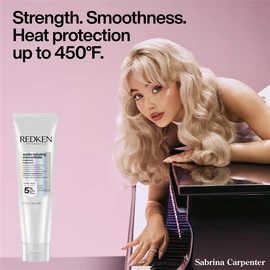
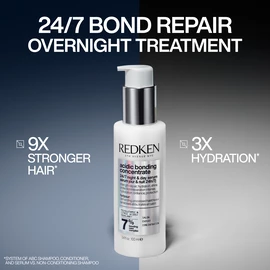
Layer the routine rather than swapping products around. The Acidic Bonding Concentrate 5-Min Liquid Mask gives a weekly intensive step, and the Acidic Bonding Concentrate Leave-In Treatment keeps protection on the hair between washes, which is when brushing and styling do their damage.
Expect to judge this over weeks, not washes. Bond care changes how the fiber behaves under tension, and that shows up as fewer broken pieces on your shoulders and less snapping during detangling, both of which are gradual signals, not an overnight difference.
When to Book a Professional Consultation
A stylist can assess elasticity across the whole head, which is more informative than a single strand test at home. Book time if breakage appeared suddenly, if it is concentrated in one area rather than spread through the length, or if you are planning any chemical service on hair that is already snapping. A pre-service strength assessment is far cheaper than correcting a service that a compromised fiber could not tolerate.
Find a Redken salon near you to book a professional consultation.
Next: How to Choose the Right Moisturizing Shampoo for Dry, Brittle Hair. For dry, brittle hair, choosing the right moisturizing formula is the first step toward better-feeling, more manageable hair.
Frequently Asked Questions
Answers to Your Frequently Asked Questions