.webp?sw=50&sfrm=jpg&q=90)
Key Takeaways
- Hair breakage is typically the result of damage from heat styling, chemical processing, and everyday mechanical friction.
- A consistent routine using bond-repairing formulas is essential to strengthen and restore elasticity to fragile strands and prevent future snapping.
- Swapping out standard wash-day formulas for Redken’s Acidic Bonding Concentrate collection can dramatically improve the look and feel of compromised hair.
Finding short, snapped-off pieces of hair on your pillow or bathroom sink can be incredibly frustrating. When your strands lose their natural elasticity and strength, they become fragile, leading to split ends and hair breakage. If you are wondering how to manage hair breakage, the secret lies in understanding what is compromising your hair's structural integrity in the first place. By addressing the root causes and adjusting your daily routine, you can restore your hair’s natural resilience and achieve a healthier, fuller-looking mane.
What Causes Hair to Snap and Break?
Hair is incredibly strong, but it has a breaking point. A single strand is made up of complex protein structures held together by various bonds. When these bonds are compromised, the hair cuticle lifts, moisture escapes, and the internal structure weakens.
There are three primary culprits behind this type of damage:
- Chemical Processing: Bleaching, highlighting, and chemical straightening permanently alter the hair's internal structure. This process breaks down disulfide bonds, leaving the hair highly porous and prone to snapping.
- Thermal Damage: Frequent use of flat irons, curling wands, and blow dryers without adequate thermal protection boils the natural moisture inside the hair shaft, causing the cuticle to crack and blister.
- Mechanical Friction: Aggressive detangling, tight hairstyles, and even the friction from rough cotton pillowcases can physically tear the hair fiber over time.
To effectively stop hair breakage, you need a comprehensive approach that minimizes these daily stressors while actively repairing the damage that has already been done.
The Best Routine to Restore Damaged Hair Prone to Breakage
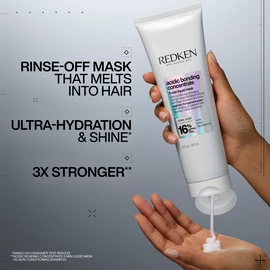
When it comes to damaged hair repair, consistency and the right formulation are everything. Redken’s Acidic Bonding Concentrate collection helps balance your hair’s pH and reinforce weakened bonds without weighing the strands down.
Step 1: Cleanse and Condition with Acidic Formulas
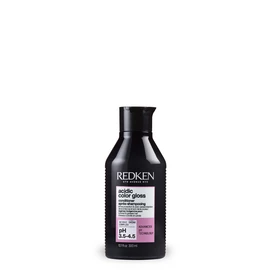
Damaged hair often has an alkaline pH, causing the cuticle to swell and lift. To strengthen weak hair, you need to bring it back to an optimal, acidic state. Starting your wash day with Acidic Bonding Shampoo and Conditioner reinforces internal bonds, provides intense conditioning, and smooths the cuticle for a healthier appearance.
Step 2: Apply an Intensive Repair Treatment
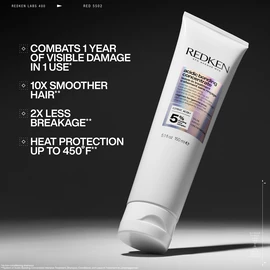
Incorporating Acidic Bonding Bandage Balm offers further protection against dry, split ends. The leave-in balm smooths and visibly seals damaged split ends. Apply daily on damp, clean ends for on-the-go split end repair. Re-apply on dry ends throughout the day.
Step 3: Protect and Nourish Around the Clock
Friction and environmental stressors don't stop when you finish styling. You need anti-breakage hair products that work continuously. Applying Acidic Bonding 24/7 Night and Day Serum in the morning and night helps repair daily damage.
FREQUENTLY ASKED QUESTIONS
Answers to Your Frequently Asked Questions
What is the first step in learning how to manage hair breakage?
How do I know if I have hair breakage or new growth?
How long does it take to see results when figuring out how to manage hair breakage?
Can you permanently fix broken hair?
SHOP PRODUCTS TO HELP MANAGE HAIR BREAKAGE
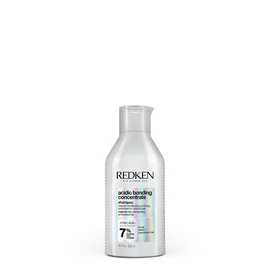

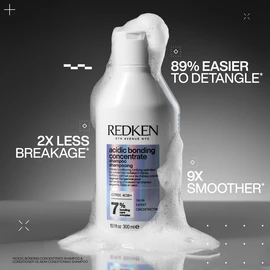
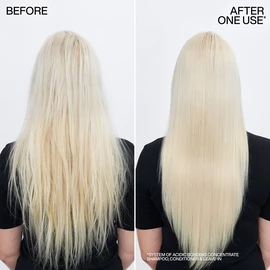
ACIDIC BONDING CONCENTRATE SHAMPOO
Sulfate-free, bonding shampoo that provides ultimate strength repair for damaged hair.
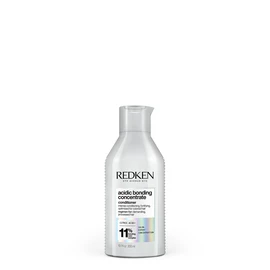
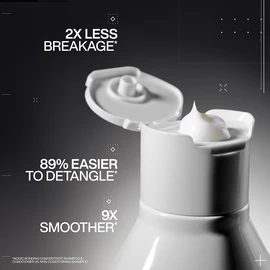
ACIDIC BONDING CONCENTRATE CONDITIONER
Sulfate-free bonding conditioner provides ultimate strength repair for damaged hair.
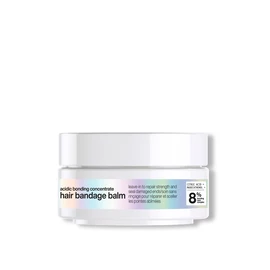
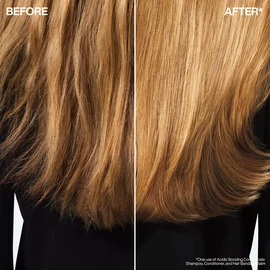
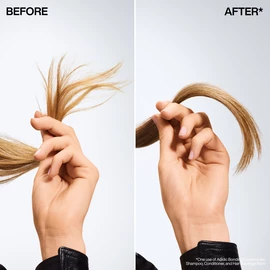
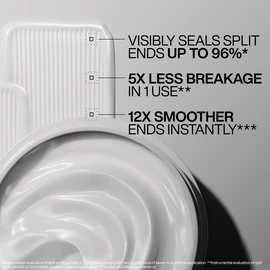
ACIDIC BONDING CONCENTRATE HAIR BANDAGE BALM
Strength repair for damaged, dry split ends in 1 use
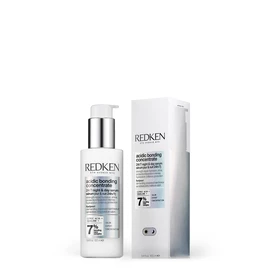
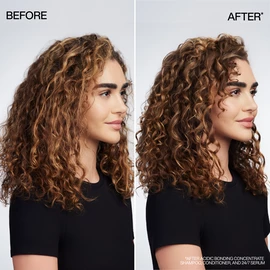
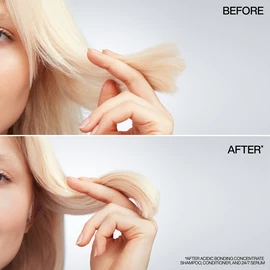
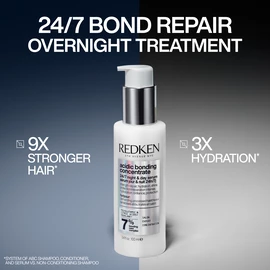
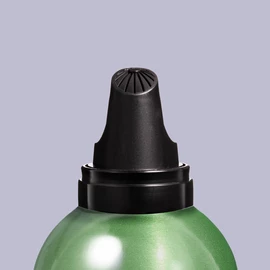
Acidic Bonding Concentrate 24/7 Night & Day Serum
Bond repair serum that combats daily damage overnight




.webp?sw=270&sfrm=jpg&q=90)




.webp?sw=270&sfrm=jpg&q=90)