.webp?sw=50&sfrm=jpg&q=90)
Key Takeaways
- Understanding the difference between dry damaged hair is crucial for selecting the right targeted hair repair or hydration treatment.
- The main symptoms of dry hair include dullness and frizz, while symptoms of damaged hair involve split ends and severe breakage.
- A simple elasticity test can help you identify your hair's true condition and structural integrity.
- Customizing your hair routine with the All Soft or Acidic Bonding Concentrate collections ensures your strands receive the exact science-backed prescription they need.
You run your fingers through your hair, and it feels rough, brittle, and completely unmanageable. When your strands lose their sleekness and shine, it is easy to assume the worst. However, treating your hair effectively requires understanding exactly what is happening beneath the cuticle. Is your hair simply lacking moisture, or is it structurally compromised? Distinguishing between a lack of moisture and physical damage is the first step to transforming your texture. Here is how to diagnose your strands and prescribe the ultimate professional solution.
What are the signs of dry hair?
Dry hair occurs when your scalp does not produce enough natural oils, or when your hair fiber fails to retain moisture. This is a condition of dehydration rather than structural destruction.
The most common signs of dry hair include a dull appearance, excessive static, and a rough, straw-like feel when you touch your mid-lengths and ends. You may also notice that your hair expands in humid environments as it desperately tries to pull moisture from the air, resulting in frizz. The primary causes of dryness include environmental factors like cold weather, overwashing, or having a naturally curly or coarse texture that prevents scalp oils from traveling down the hair shaft.
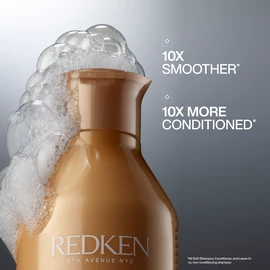
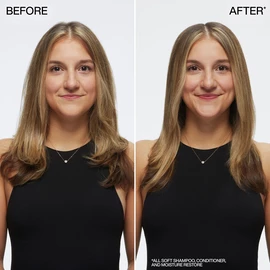
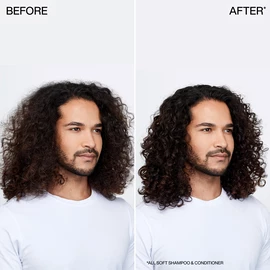
If your hair is purely dry, it needs an influx of moisture. A regimen featuring the All Soft Shampoo and Conditioner replenishes hydration and transforms brittle textures into touchable, soft strands. For an intense moisture boost, integrating the All-In Mask provides concentrated conditioning to restore flexibility and shine.
What are the symptoms of damaged hair?
Unlike dryness, damage means the actual physical structure of the hair has been compromised. The protective outer cuticle layer is lifted, cracked, or worn away, exposing the fragile inner cortex and breaking the internal bonds that give hair its strength.
The most obvious symptoms of damage include visible split ends, a high rate of breakage, and hair that snaps easily when brushed. Damaged hair often feels gummy or mushy when wet and dries incredibly fast because the porous cuticle cannot hold onto water. The leading causes of damage are chemical processing (like bleaching or relaxing), excessive heat styling without protection, and aggressive mechanical friction.
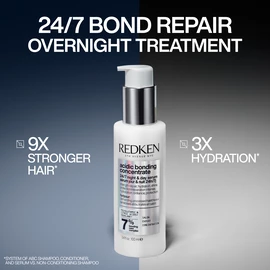
To combat this structural breakdown, your hair requires advanced bond-building technology. The Acidic Bonding Shampoo and Conditioner are formulated to reinforce weakened bonds and restore the hair's natural acidic pH. Following up with the Leave-In provides ongoing protection against heat and further wear and tear.
Dry vs. Damaged Hair: The Ultimate Comparison
To help you pinpoint exactly what your hair needs, use this diagnostic breakdown to match your symptoms with the right science-backed prescription.
| Condition | Symptoms | Key Ingredients for Treatment | Recommended Redken Routine |
|---|---|---|---|
| Dry Hair | Dullness, frizz, static, rough texture, tangles easily but doesn't snap. | Argan oil, humectants, moisture complexes. | All Soft Shampoo, Conditioner, and All-In Mask for intense hydration and softness. |
| Damaged Hair | Split ends, breakage, gummy texture when wet, snaps easily, loss of elasticity. | Citric acid, bonding complexes, proteins. | Acidic Bonding Shampoo, Conditioner, and Leave-In to rebuild weak bonds and restore pH. |
| Dry AND Damaged Hair | Extreme brittleness, severe breakage combined with a straw-like feel, highly porous, won't retain color or moisture. | A combination of bond-repairing acids and deep conditioning oils. | Alternate between the Acidic Bonding system for structural repair and the All Soft All-In Mask for deep moisture replenishment. |
How to test your hair's elasticity at home
If you are still unsure whether your hair lacks moisture or structural integrity, you can perform a simple elasticity test at home. Take a single strand of wet hair and gently stretch it.
- If the hair stretches slightly and returns to its original length, it is healthy.
- If the hair stretches but does not return to its original shape, or if it snaps almost immediately under tension, you are dealing with damage and compromised elasticity.
- If the hair does not stretch at all and simply feels rough and stiff, it is likely just dry.
FREQUENTLY ASKED QUESTIONS
Answers to Your Frequently Asked Questions
Can you have dry damaged hair at the same time?
What is the fastest way to fix split ends and breakage?
How long does hair repair take for damaged strands?
Does heat styling cause dryness or damage?
SHOP ALL SOFT & ACIDIC BONDING CONCENTRATE
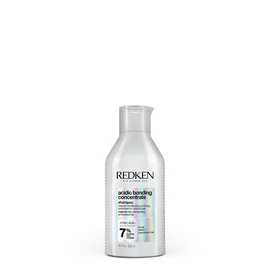
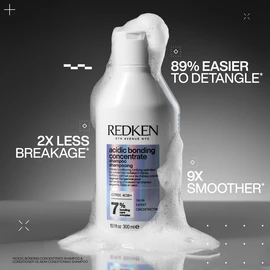
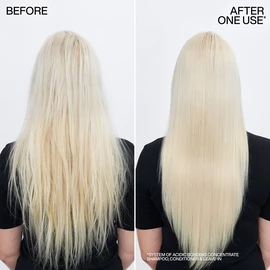
ACIDIC BONDING CONCENTRATE SHAMPOO
Sulfate-free, bonding shampoo that provides ultimate strength repair for damaged hair.
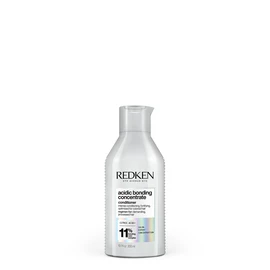
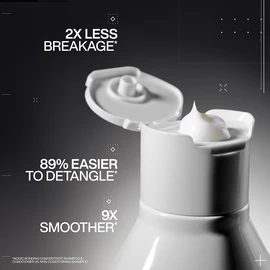
ACIDIC BONDING CONCENTRATE CONDITIONER
Sulfate-free bonding conditioner provides ultimate strength repair for damaged hair.
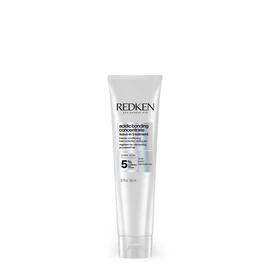
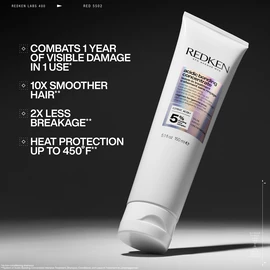
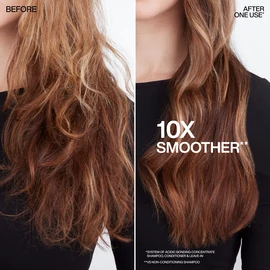
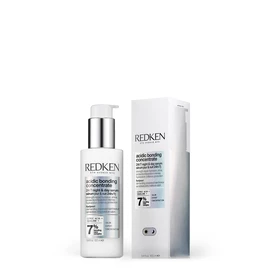
ACIDIC BONDING CONCENTRATE LEAVE-IN TREATMENT
Best-selling, sulfate-free leave-in treatment for strength repair in 1 use.
*Travel size excluded from promotions
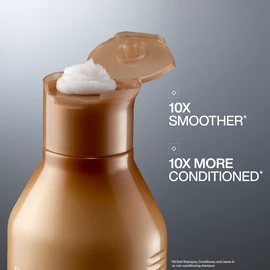
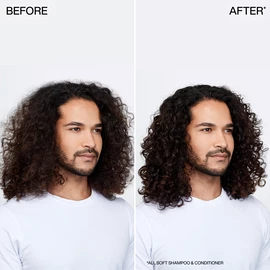
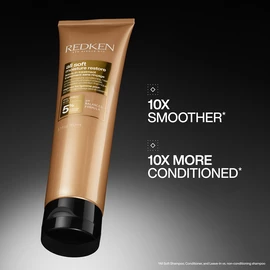
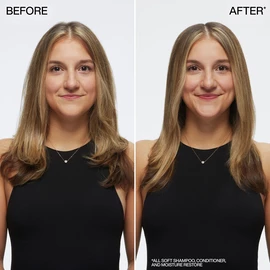
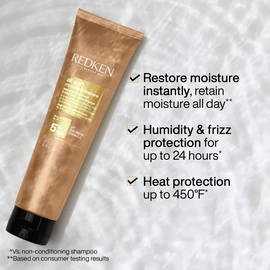
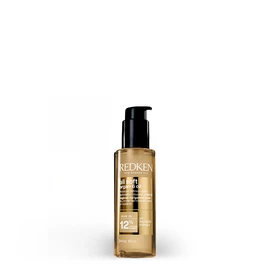
ALL SOFT MOISTURE RESTORE LEAVE-IN TREATMENT
Leave-in treatment for long-lasting moisture


.webp?sw=270&sfrm=jpg&q=90)
.webp?sw=270&sfrm=jpg&q=90)